


 English
 Español
News
Home / News / Industry News / Direct-Acting Solenoid Valves Explained: Selection, Performance, and Real-World Applications

News
Content
Direct-acting solenoid valves operate by using electromagnetic force to open or close the valve orifice directly, without relying on line pressure. When electrical current energizes the solenoid coil, a magnetic field lifts or lowers the plunger, allowing or stopping fluid flow. This direct mechanical movement makes these valves highly reliable in systems where pressure is low, inconsistent, or completely absent.
Unlike pilot-operated valves, direct-acting solenoid valves respond instantly and maintain consistent performance across varying operating conditions. This makes them ideal for precision fluid control applications involving air, water, light oil, or inert gases. Their simple internal structure also reduces failure points and simplifies maintenance.
Direct-acting solenoid valves are typically available in normally closed (NC) and normally open (NO) configurations. The choice between these options directly affects system safety, energy usage, and operational behavior during power loss.
Understanding the fail-safe position is essential when integrating solenoid valves into automated control systems, particularly in industrial or medical environments.
One of the defining advantages of direct-acting solenoid valves is their ability to operate from zero pressure differential. This capability allows reliable performance in gravity-fed systems, vacuum lines, and low-pressure fluid circuits.
However, direct operation also limits maximum flow rate compared to pilot-operated valves. Because the solenoid must physically move against fluid force, larger orifices require stronger coils, increasing power consumption. For this reason, direct-acting solenoid valves are most effective in small to medium flow applications.
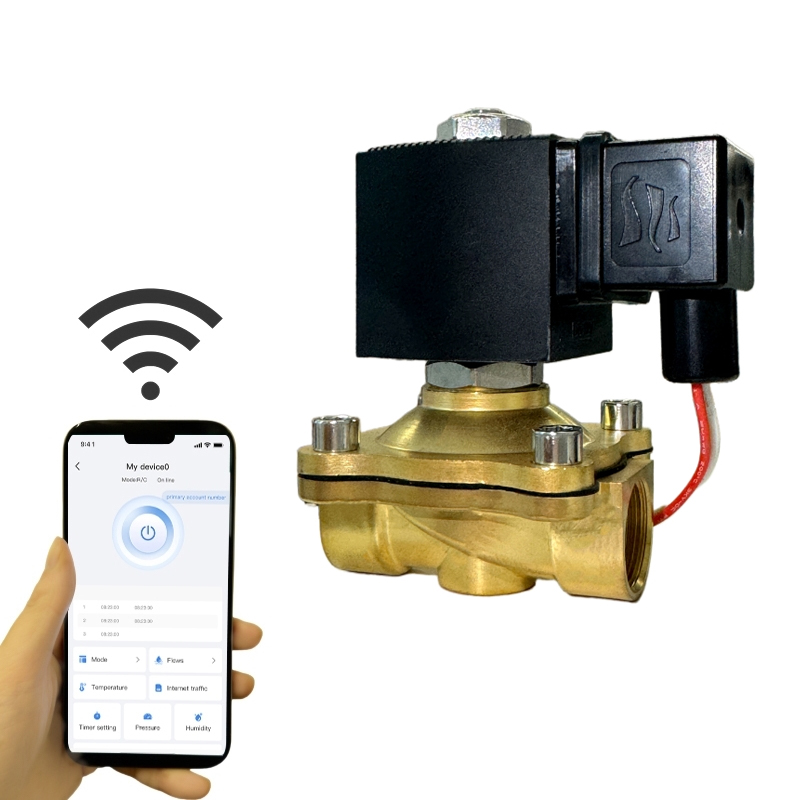
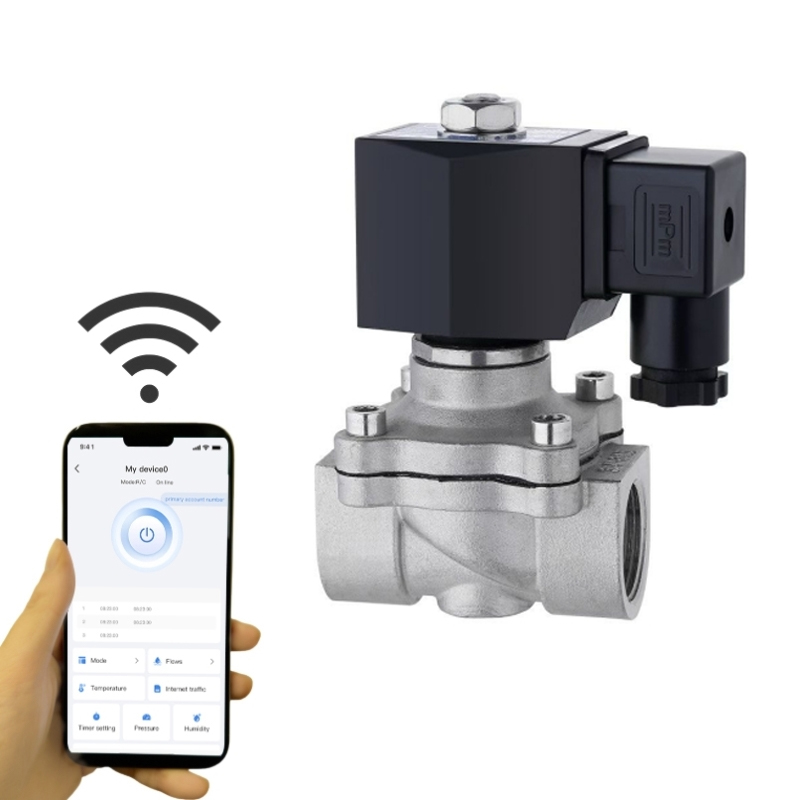
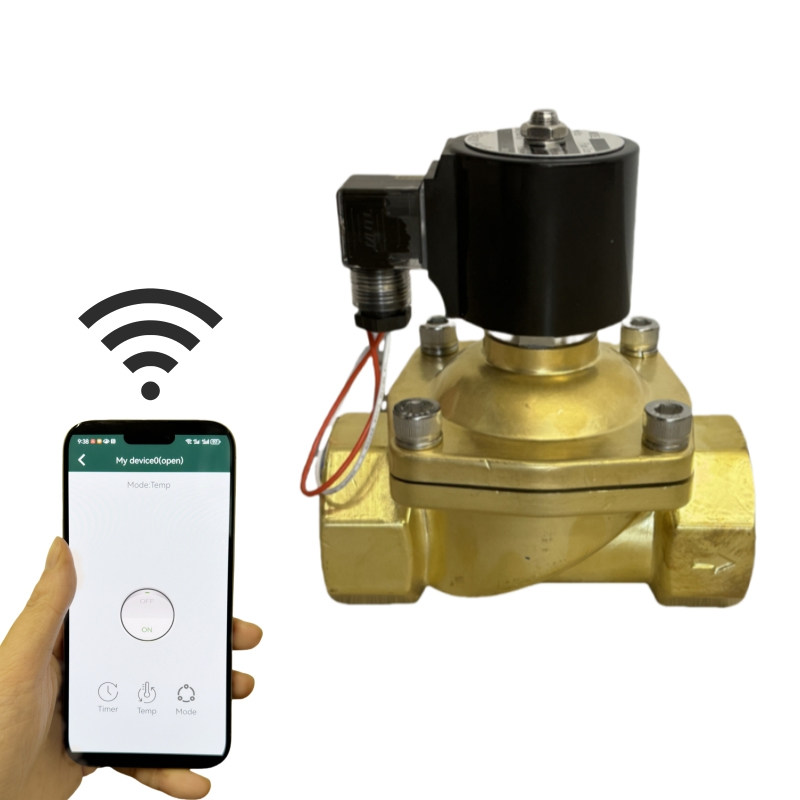
Material compatibility plays a critical role in valve lifespan and performance. Direct-acting solenoid valves are manufactured using various body and seal materials to accommodate different fluids and temperatures.
| Component | Common Materials | Typical Applications |
| Valve Body | Brass, Stainless Steel | Water, air, oil, gas |
| Seals | NBR, EPDM, Viton | Chemical compatibility |
| Plunger | Stainless Steel | Corrosion resistance |
Selecting the correct materials prevents seal swelling, corrosion, and leakage, especially when handling aggressive chemicals or high-temperature fluids.
Direct-acting solenoid valves are available in a wide range of voltage options, including 12V DC, 24V DC, 24V AC, and 220V AC. Matching coil voltage with the control system is essential to avoid overheating or insufficient actuation.
Because the solenoid directly moves the valve mechanism, these valves typically consume more power than pilot-operated designs. Continuous-duty coils are recommended for applications requiring extended energized periods, while intermittent-duty coils suit short-cycle operations.
Direct-acting solenoid valves are widely used across industries where precise, reliable flow control is required at low pressure. Their fast response time and simple operation make them suitable for automated systems and compact equipment.
Proper installation directly affects the lifespan and performance of direct-acting solenoid valves. Valves should be installed according to flow direction markings, with the coil positioned vertically whenever possible to reduce plunger wear.
Installing a filter upstream helps prevent debris from entering the valve chamber, which can cause sticking or leakage. Electrical connections should be protected from moisture, and voltage stability should be verified before commissioning.
Routine inspection of direct-acting solenoid valves helps maintain consistent performance. Common issues include coil burnout due to incorrect voltage, plunger sticking caused by contamination, and seal wear from incompatible media.
Regular cleaning, seal replacement, and verification of electrical parameters can significantly extend service life. Keeping spare coils and seal kits on hand minimizes downtime in critical systems.
Selecting the correct direct-acting solenoid valve requires balancing pressure, flow rate, voltage, material compatibility, and response time. Understanding application requirements ensures reliable operation and reduces long-term operating costs.
By focusing on practical performance characteristics rather than generic specifications, engineers and system designers can integrate direct-acting solenoid valves that deliver consistent, efficient fluid control across a wide range of operating environments.



Copyright © 2025 Alahot (zhejiang) Technology Co., Ltd.
All Rights Reserved.
OEM/ODM Electric Solenoid Valves Manufacture
