


 English
 Español
News

Industry News
Gate Valves vs Globe Valves: Key Differences Explained
Content
- 1 What Is a Gate Valve
- 2 What Is a Globe Valve
- 3 Side-by-Side Comparison
- 4 Flow Characteristics and Pressure Drop in Detail
- 5 How Body Design Affects Installation and Space
- 6 Material Options and Temperature or Pressure Suitability
- 7 Maintenance Differences You Should Know
- 8 How to Choose Between Gate and Globe Valves
- 9 Situations Where the Choice Is Less Obvious
- 10 Quick Reference Summary
Gate valves and globe valves are two of the most widely used valve types in industrial and plumbing systems, but they serve very different purposes. Gate valves are best for fully open or fully closed isolation, while globe valves are designed for precise flow throttling and regulation. Choosing the wrong type can lead to inefficiency, increased maintenance costs, or premature valve failure. This guide breaks down the differences in a practical, data-backed way so you can make the right call for your application.
What Is a Gate Valve
A gate valve controls flow by raising or lowering a flat gate perpendicular to the flow path. When fully open, the gate retracts completely out of the flow stream, resulting in an almost unrestricted passage. This design gives gate valves their defining characteristic: minimal pressure drop when fully open, typically less than 0.5 psi in standard water systems.
Gate valves are not designed for partial opening. Operating them in an intermediate position causes the gate to vibrate, leading to accelerated wear on the seating surfaces. In practice, they are used in one of two states: completely open or completely closed.
Common Applications of Gate Valves
- Main water supply shutoffs in residential and commercial buildings
- Oil and gas transmission pipelines where low pressure drop is critical
- Irrigation systems requiring infrequent on/off operation
- Fire protection systems such as sprinkler supply lines
- Slurry and wastewater lines where solids could obstruct other valve types
What Is a Globe Valve
A globe valve uses a plug or disc that moves linearly against a stationary ring seat inside a spherical body. The internal S-shaped or Z-shaped flow path forces the fluid to change direction multiple times, which creates inherent resistance. This resistance is precisely what makes globe valves excellent throttling devices, as even small adjustments to the plug position produce predictable, proportional changes in flow rate.
The tradeoff is a higher pressure drop. A globe valve in a 2-inch water line can generate a pressure drop of 3 to 7 psi under full flow, compared to less than 1 psi for a comparable gate valve. For systems where pressure conservation matters, this is a significant consideration.
Common Applications of Globe Valves
- Steam flow regulation in boilers and heat exchangers
- Cooling water control in chemical processing plants
- Fuel oil systems requiring precise dosing
- HVAC systems where flow balancing between circuits is needed
- Pharmaceutical and food-grade processes needing repeatable flow rates
Side-by-Side Comparison
The table below summarizes the primary differences across the most decision-relevant criteria.
| Criteria | Gate Valve | Globe Valve |
|---|---|---|
| Primary function | Isolation (on/off) | Throttling (flow control) |
| Pressure drop (open) | Very low (under 0.5 psi typical) | Moderate to high (3 to 7 psi typical) |
| Flow regulation | Poor; not suitable | Excellent; precise control |
| Operation frequency | Infrequent (rarely cycled) | Frequent (regular adjustment) |
| Sealing direction | Bidirectional | Unidirectional (flow must enter below seat) |
| Actuator torque required | Higher (multi-turn stem) | Lower for small sizes |
| Body size / weight | Compact height but wider face-to-face | Taller body, shorter face-to-face |
| Maintenance complexity | Simple; fewer internal parts | Moderate; disc and seat wear faster under throttling |
| Typical cost (2-inch, carbon steel) | Lower (approx. 30 to 60 USD) | Slightly higher (approx. 50 to 90 USD) |
Flow Characteristics and Pressure Drop in Detail
The flow coefficient (Cv) quantifies how easily a valve passes fluid. A higher Cv means less resistance. For a 2-inch gate valve fully open, a Cv of 100 or more is typical. A comparable globe valve may have a Cv of only 25 to 40 in the same open position. This roughly 3x to 4x difference in flow coefficient translates directly into higher pumping energy costs when globe valves are used in isolation-only service.
In a system running 24 hours a day, replacing a globe valve used purely for shutoff with a gate valve could reduce head loss enough to lower pump energy consumption by several hundred dollars per year in larger pipelines. This is why engineers specify gate valves wherever isolation is the only requirement.
Conversely, using a gate valve in a throttling role creates turbulence and cavitation at partial openings. The asymmetrical load on the gate causes it to vibrate against the seats, which erodes the sealing surfaces over time. A gate valve used for throttling may fail to seal completely within months of regular use under such conditions.
How Body Design Affects Installation and Space
Gate valves have a relatively short face-to-face dimension (the length along the pipe axis) but require vertical clearance above the bonnet for the stem to retract fully. In a 4-inch gate valve, the stem can extend 10 to 14 inches above the body when fully open, which matters in confined spaces.
Globe valves are taller overall because the spherical body adds height, but their face-to-face dimension is shorter than an equivalent gate valve. Globe valves also have a defined flow direction, usually marked by an arrow on the body. Reversing installation direction increases pressure drop significantly and can damage the disc over time.
Installations in piping trenches, ceiling spaces, or tight mechanical rooms need to account for these dimensional differences early in the design phase.
Material Options and Temperature or Pressure Suitability
Both valve types are available in a wide range of materials, but their suitability at extreme temperatures or pressures differs somewhat due to their internal geometry.
Common Materials
- Cast iron: Low cost; suitable for water and non-corrosive fluids up to about 230 degrees Fahrenheit
- Carbon steel (WCB): General industrial use; rated for pressures up to 720 psi (Class 150 ANSI) and temperatures up to 800 degrees Fahrenheit
- Stainless steel (316): Corrosive media, food processing, and pharmaceutical applications
- Bronze or brass: Common for small-diameter valves in potable water and marine environments
- Alloy steel (F11, F22): High-pressure, high-temperature steam service above 1000 degrees Fahrenheit
Globe valves in high-temperature steam service benefit from their sealing geometry: the disc pressing against a ring seat performs better under thermal cycling than a gate bearing against flat seats, which can distort with repeated heat expansion.
Maintenance Differences You Should Know
Gate valves used correctly in on/off service are low-maintenance. The main failure modes are stem packing leaks and seat erosion from repeated operation with particulates in the fluid. Since they cycle infrequently, these valves can go years without attention.
Globe valves used for throttling wear faster at the disc and seat interface due to constant fluid impingement. However, most globe valves are designed with replaceable disc inserts and renewable seats, making in-line repair practical without removing the valve from the pipeline. This is a meaningful advantage in costly downtime situations.
One often overlooked issue: gate valves that sit fully open for years can seize or become difficult to operate due to corrosion on the stem threads. Periodic exercising, meaning closing and reopening the valve once or twice a year, is recommended practice to prevent this.
How to Choose Between Gate and Globe Valves
The decision usually comes down to three questions:
- Will the valve be used for throttling or only for isolation? If isolation only, choose a gate valve. If flow needs to be regulated, choose a globe valve.
- Is pressure drop across the valve a concern? If the system is pressure-sensitive or pump energy costs are significant, a gate valve in open service has a clear advantage.
- How frequently will the valve be operated? Frequent cycling in throttling service points to a globe valve. Infrequent full-open or full-closed switching favors a gate valve.
A useful rule of thumb from process engineering practice: if you expect to operate the valve more than a few times per week in a partially open position, specify a globe valve. If the valve will sit open for months at a time and only close for maintenance or emergencies, a gate valve is the appropriate and more economical choice.
Situations Where the Choice Is Less Obvious
Some applications genuinely sit between the two categories, and in those cases the decision depends on system-specific factors.
Bypass Lines
A bypass around a pump or control valve might need occasional throttling during startup but mostly stays fully open or closed. Many engineers install a gate valve for such service, accepting the occasional misuse during commissioning rather than paying the permanent pressure drop penalty of a globe valve.
Low-Flow High-Pressure Systems
In hydraulic systems or very high-pressure service above 1500 psi, globe valves are often preferred even for simple shutoff duty because their design naturally handles the seating forces better and leakage control is more reliable at extreme pressures.
Vacuum Service
Globe valves handle vacuum conditions better because the disc is drawn firmly onto the seat when vacuum is applied in the correct flow direction. Gate valves can suffer from seat leakage under vacuum if the seating surfaces are not perfectly lapped.
Quick Reference Summary
Choose a gate valve when: you need full-bore flow with minimal restriction, the valve will stay in a fixed position for long periods, bidirectional shutoff is required, or installation cost is a primary concern.
Choose a globe valve when: the application requires repeatable flow adjustment, the system uses steam or high-temperature fluids, frequent operation is expected, or leakage tightness at partial openings is critical.
Neither valve is universally superior. They are purpose-built for different tasks, and using each in the role it was designed for ensures longer service life, lower energy consumption, and fewer maintenance interventions over the lifetime of the system.
Our Main Products
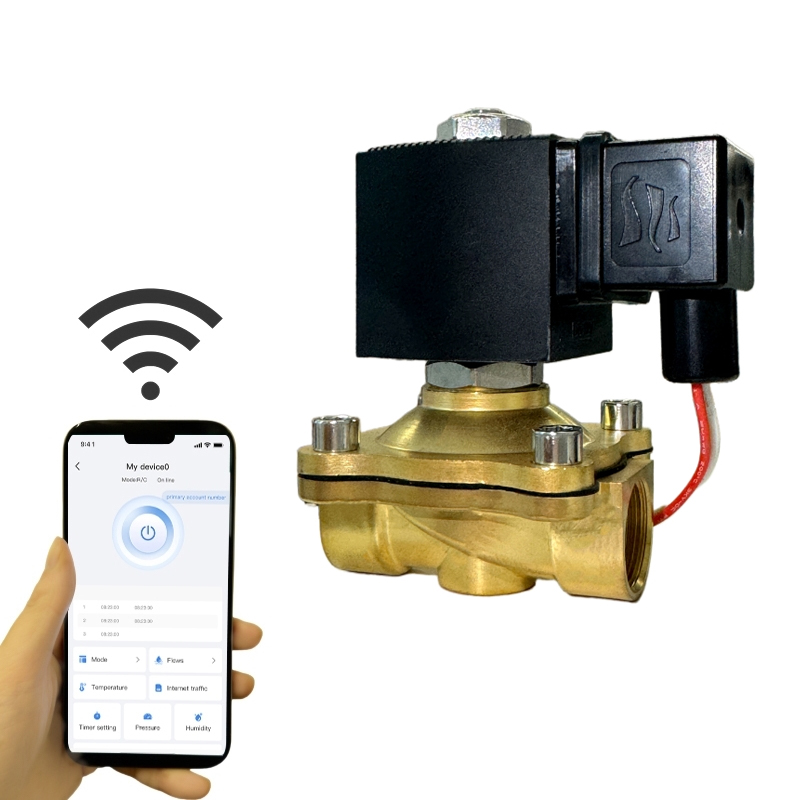
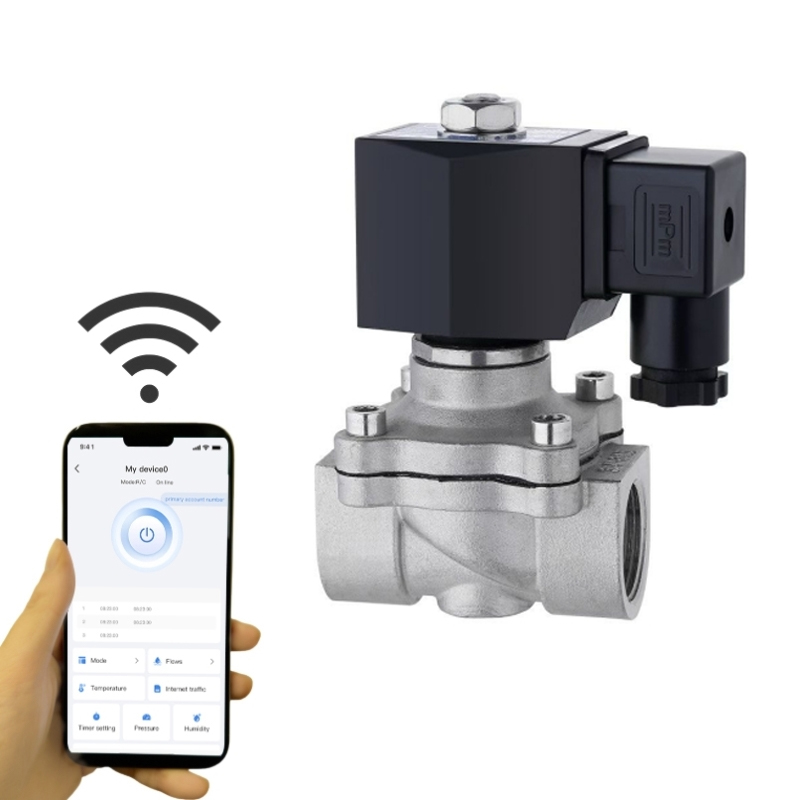
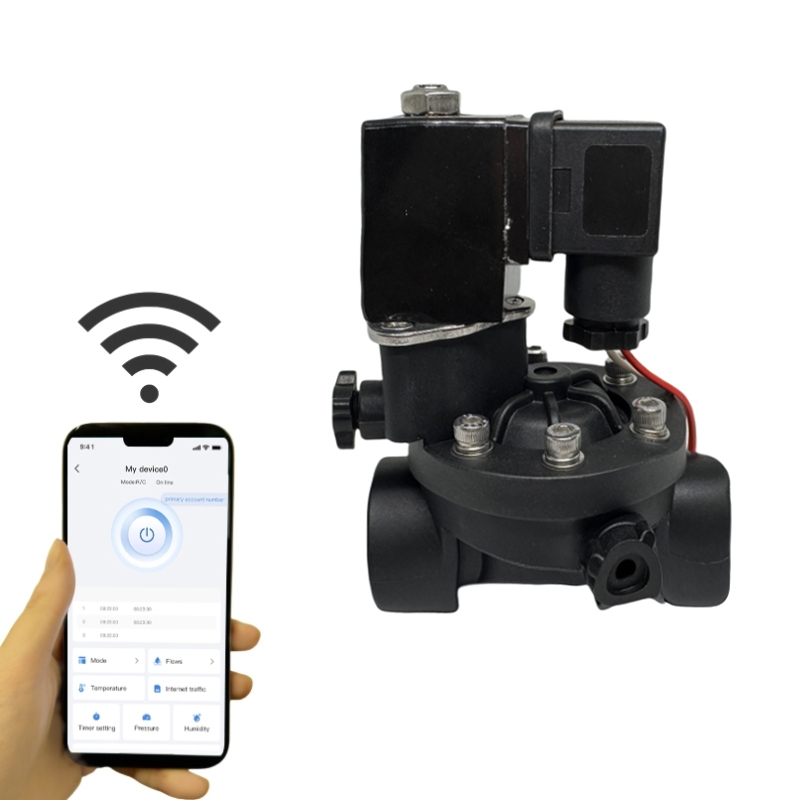
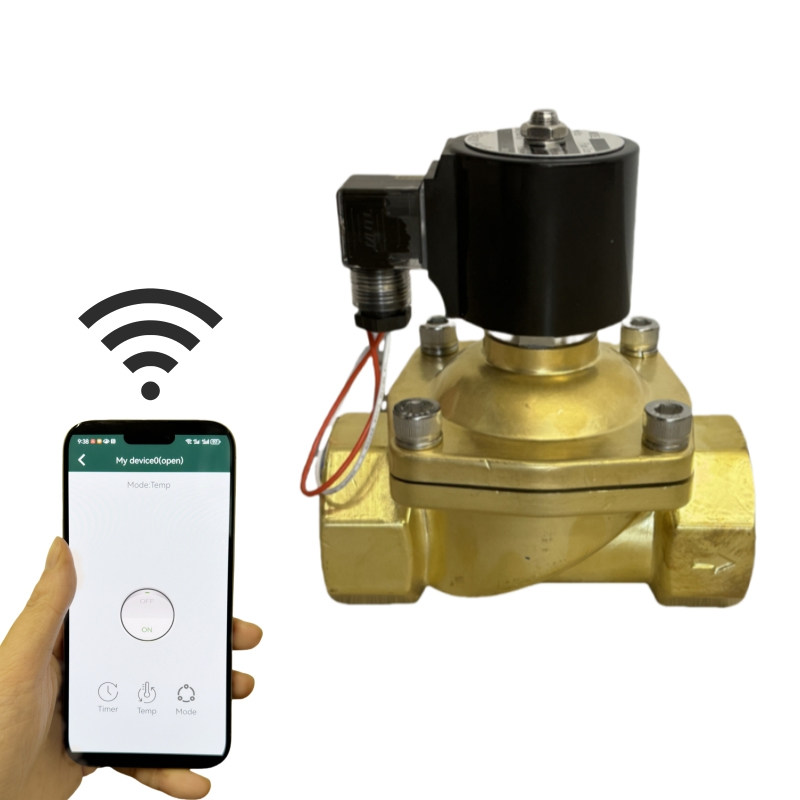
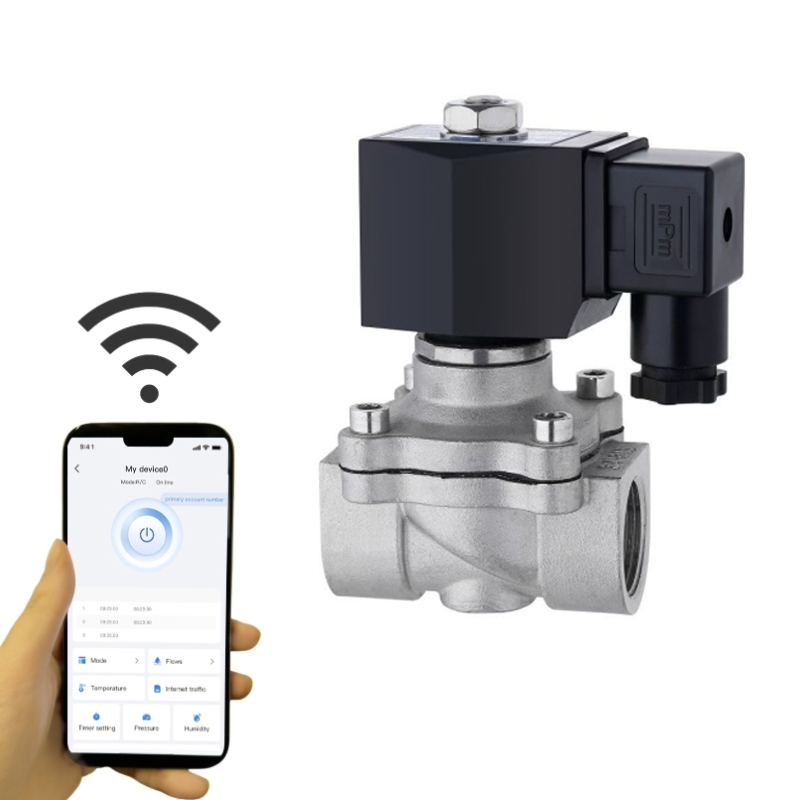

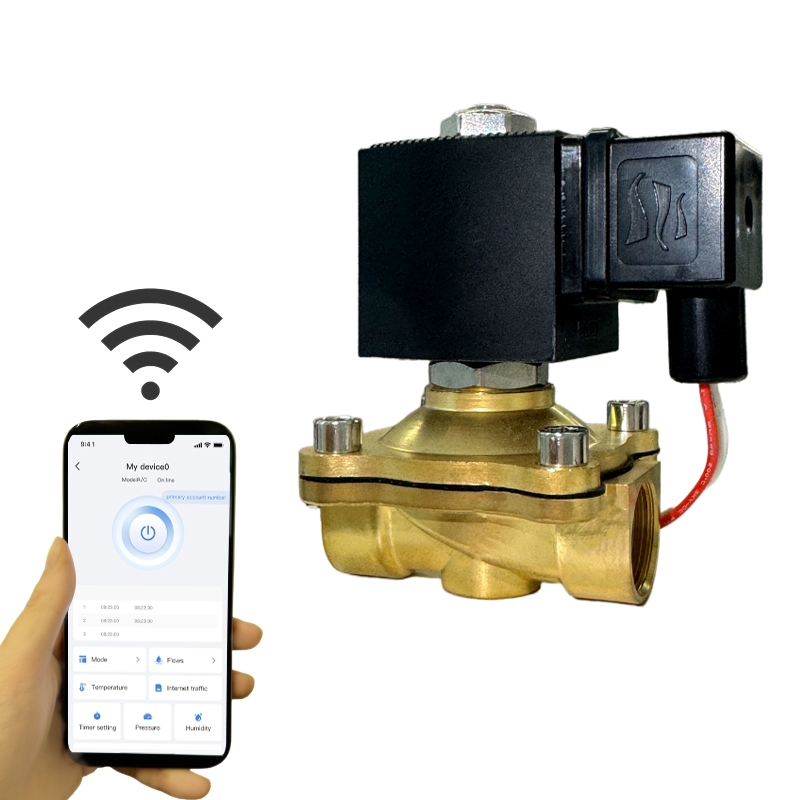
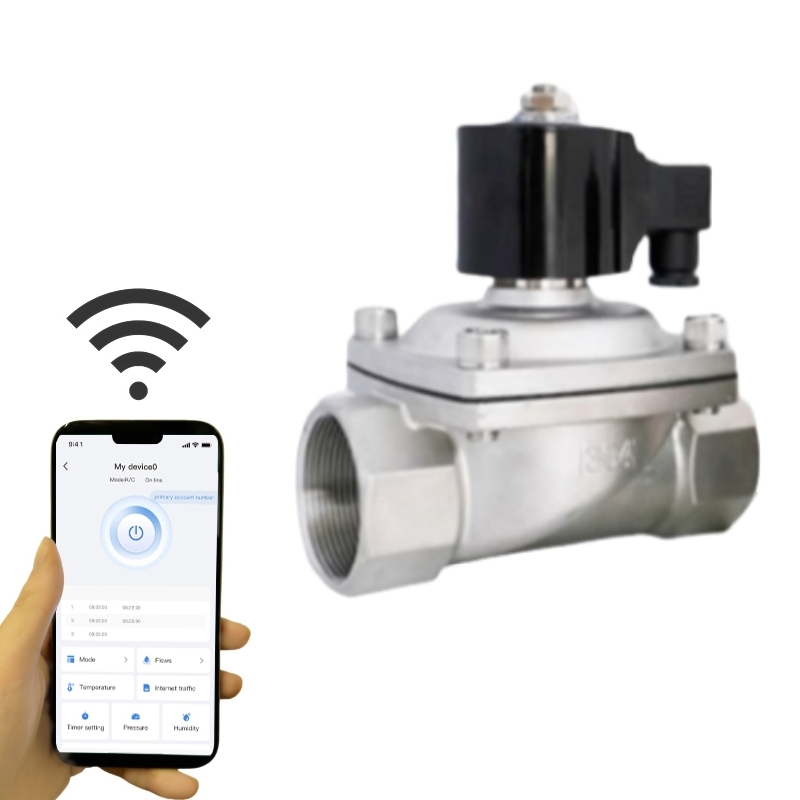
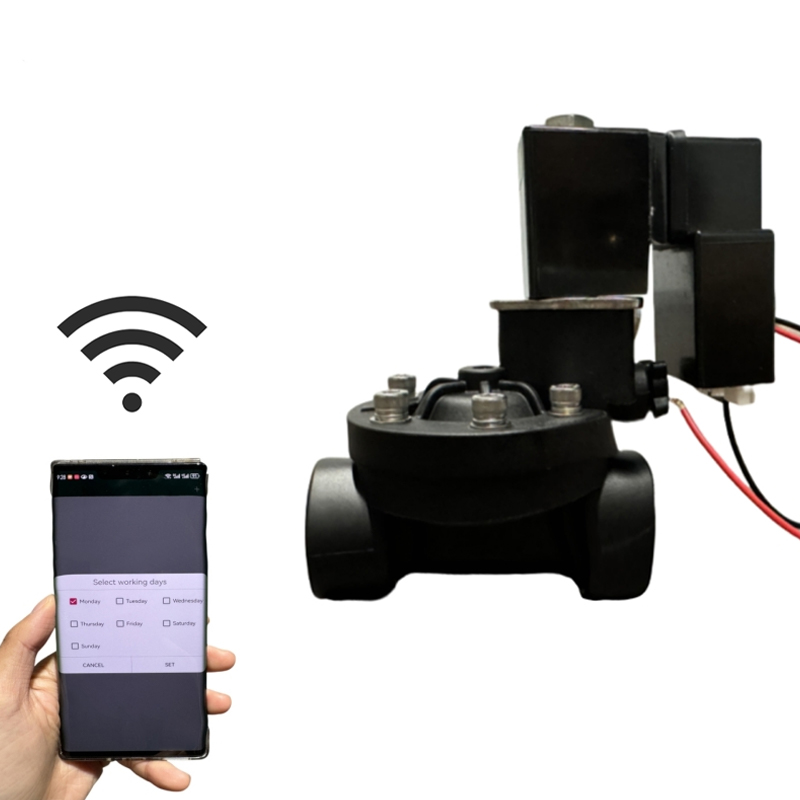

Alahot is Water Solenoid Valves Manufacturer and Factory in China. Follow our social media postings for the latest news and exhibitions.
Discover
Contact
-
 3/F, No.72 Desheng Lane, Gongshu District, Hangzhou, Zhejiang, China
 -

-
 +86-18768178590
Newsletter
Copyright © 2025 Alahot (zhejiang) Technology Co., Ltd.
All Rights Reserved.
OEM/ODM Electric Solenoid Valves Manufacture
