


 English
 Español
News

Industry News
What Are Ball Valves Used For: Applications and Benefits
Content
- 1 How a Ball Valve Actually Works
- 2 Primary Applications of Ball Valves
- 3 Types of Ball Valves and Their Specific Uses
- 4 Key Advantages That Drive Their Widespread Use
- 5 Limitations to Consider Before Choosing a Ball Valve
- 6 Choosing the Right Ball Valve for the Job
- 7 Maintenance and Service Life Expectations
Ball valves are used to start, stop, and control the flow of liquids and gases through a pipeline. They appear in plumbing systems, oil and gas lines, chemical processing plants, HVAC systems, and countless industrial applications. Their defining feature is a hollow, perforated ball inside the valve body that rotates 90 degrees to open or close flow — making them one of the fastest-acting and most reliable shut-off mechanisms available.
Unlike gate valves, which require multiple turns to open or close, a ball valve responds with a single quarter-turn. This simplicity makes them a preferred choice wherever quick isolation or reliable sealing is needed. Studies in industrial fluid control show that ball valves account for over 30% of all valve sales globally, reflecting their widespread adoption across sectors.
How a Ball Valve Actually Works
The core mechanism is straightforward. Inside the valve body sits a ball with a hole bored through its center. When the hole aligns with the pipeline, fluid flows freely. When the ball rotates 90 degrees so the solid side faces the flow path, the line is sealed.
This design creates a near-zero pressure drop when open, because the internal bore can match the diameter of the pipe — known as a full-port or full-bore configuration. Reduced-port versions have a slightly smaller bore, which introduces minor flow resistance but costs less and works well for most non-critical applications.
The seat seals — typically made from PTFE (polytetrafluoroethylene) or reinforced polymers — grip the ball tightly and prevent leakage when closed. This gives ball valves a bubble-tight shutoff, a term referring to a seal so complete that not even air bubbles pass through under test pressure.
Primary Applications of Ball Valves
Residential Plumbing and Water Supply
In homes, ball valves serve as main shut-off valves on water supply lines, isolation valves under sinks, and controls on irrigation systems. Their reliability over decades of use without maintenance makes them ideal for locations that are rarely touched but must work instantly in an emergency.
A standard brass ball valve rated at 600 WOG (water, oil, gas) is common in residential installations. The quarter-turn handle means a homeowner can shut off water to the whole house within seconds during a burst pipe event — something a multi-turn gate valve cannot match.
Oil and Gas Pipelines
The oil and gas industry relies heavily on ball valves for both onshore and offshore pipeline systems. Large trunnion-mounted ball valves — where the ball is held in position by top and bottom shafts — handle pressures exceeding 10,000 psi in some deep-water applications.
These valves control flow at compressor stations, isolate pipeline sections for maintenance, and serve as emergency shut-down (ESD) valves. Actuated versions — driven by pneumatic or hydraulic power — can close automatically within seconds when sensors detect a pressure drop or leak.
Chemical and Petrochemical Processing
Chemical plants demand valves that resist corrosive substances without degrading over time. Ball valves made from stainless steel, Hastelloy, or lined with PFA (perfluoroalkoxy) and PVDF handle aggressive acids, solvents, and chlorinated compounds.
The smooth, crevice-free interior of a ball valve also reduces the risk of product contamination and buildup — a critical factor when processing pharmaceuticals or food-grade chemicals where purity standards are strict.
HVAC and Heating Systems
In heating, ventilation, and air conditioning systems, ball valves isolate chillers, boilers, and fan coil units during servicing. Two-piece and three-piece ball valves are standard in hydronic heating loops, where they allow individual circuits to be shut off without draining an entire system.
Automated ball valves with electric actuators integrate into building management systems (BMS), adjusting flow in response to temperature sensors and demand signals. This contributes meaningfully to energy efficiency — a well-zoned hydronic system can cut heating energy use by 20 to 30% compared to uncontrolled systems.
Water Treatment and Distribution
Municipal water treatment facilities use ball valves in filtration systems, chemical dosing lines, and distribution networks. Their resistance to slurries and particulate-laden water — especially in full-bore configurations — reduces clogging risk compared to globe or gate valves.
Compressed Air and Gas Systems
Ball valves are the standard choice for compressed air lines in manufacturing facilities and workshops. They provide fast isolation at tool connections, pressure vessels, and manifold systems. Their low cracking pressure and minimal internal volume make them efficient for pneumatic circuits where response time matters.
Types of Ball Valves and Their Specific Uses
Not all ball valves are the same. The specific design determines which application it suits best.
| Type | Key Feature | Best Used For |
|---|---|---|
| Full-Port (Full-Bore) | Bore matches pipe diameter | High-flow systems, pigging operations |
| Reduced-Port | Smaller bore, lower cost | General shut-off, low-flow lines |
| Three-Way | Directs flow between two outlets | Flow diversion, mixing, bypass circuits |
| Trunnion-Mounted | Ball supported top and bottom | High-pressure pipelines, large diameters |
| V-Port | V-shaped ball opening for throttling | Flow control, slurries, fibrous media |
| Cavity-Filled (Anti-Static) | No dead space around ball | Hygienic, food, pharmaceutical lines |
The V-port ball valve deserves particular mention for applications requiring flow control rather than simple on-off operation. Its contoured opening provides a more linear flow characteristic — meaning the relationship between handle position and flow rate is predictable — which is critical in dosing or blending processes.
Key Advantages That Drive Their Widespread Use
- Speed of operation: A single 90-degree turn opens or closes the valve completely, enabling rapid isolation in emergencies.
- Bubble-tight sealing: Properly maintained ball valves achieve zero-leakage shut-off, meeting ANSI Class VI seat leakage standards in many configurations.
- Low torque requirements: The ball rotates with relatively little force, making manual operation easy and reducing wear on actuator components in automated systems.
- Long service life: Quality ball valves in clean service can last 20 years or more with minimal maintenance, largely because they have no packing gland that constantly wears under pressure.
- Visual position indication: The handle alignment tells an operator at a glance whether the valve is open or closed — the handle runs parallel to the pipe when open and perpendicular when closed.
- Compact design: Ball valves have a shorter face-to-face dimension than gate or globe valves, saving space in congested pipe runs.
Limitations to Consider Before Choosing a Ball Valve
Ball valves are not universally ideal. Understanding their limitations helps avoid misapplication.
- Not ideal for throttling (standard types): Holding a standard ball valve partially open causes high-velocity flow through a small opening, which erodes the seat and ball surface rapidly. Standard ball valves should be used fully open or fully closed.
- Cavitation risk with liquids: In high-pressure drop scenarios, partial opening can cause cavitation — vapor bubble formation and collapse — that damages internal surfaces.
- Trapped cavity concerns: In standard designs, fluid trapped in the cavity around the ball can expand if heated, creating overpressure. Double-block-and-bleed (DBB) configurations address this in critical applications.
- PTFE seat limitations at extremes: Standard PTFE seats degrade above approximately 200 degrees Celsius. High-temperature applications require metal-seated ball valves instead.
Choosing the Right Ball Valve for the Job
Selecting the correct ball valve comes down to matching the valve specifications to the actual service conditions. The following factors guide that decision:
Pressure and Temperature Ratings
Every ball valve carries a pressure-temperature rating — typically expressed as a class number (Class 150, 300, 600, 900, 1500, 2500 per ASME B16.34) or as a WOG rating. Higher class numbers indicate higher pressure capability, but also larger, heavier, and more expensive valves. Matching the valve class to the actual system operating pressure — with adequate safety margin — avoids both over-engineering and failure risk.
Body and Trim Material
Carbon steel suits most general industrial services. Stainless steel (316 grade) handles corrosive fluids and hygienic applications. Brass is standard in low-pressure plumbing and compressed air. PVC and CPVC ball valves serve chemical lines where metal corrosion is a concern and pressures remain below roughly 150 psi.
End Connection Type
Ball valves come in threaded (NPT, BSP), flanged, socket-weld, and butt-weld end connections. Flanged valves are preferred in larger sizes and higher-pressure systems because they allow removal without cutting the pipe. Threaded connections suit smaller residential and commercial applications where disassembly may be needed.
Manual vs Actuated Operation
For valves that require remote control, frequent cycling, or automatic emergency shut-down, an actuator is necessary. Pneumatic actuators cycle fastest and suit high-frequency switching. Electric actuators integrate easily with control systems and suit moderate-speed operation. Hydraulic actuators handle the highest torque demands in large-bore, high-pressure pipelines.
Maintenance and Service Life Expectations
One of the practical strengths of ball valves is how little attention they require under normal service. In clean water or gas applications, a quality valve may operate for tens of thousands of cycles without seat replacement. However, certain conditions shorten service life:
- Abrasive slurries erode ball and seat surfaces, sometimes requiring inspection every one to two years.
- Prolonged partial-open operation in non-V-port designs causes accelerated wear within months.
- Chemical attack on PTFE seats from incompatible media can cause seat swelling and increased operating torque.
Three-piece ball valves offer a maintenance advantage: the end caps can be removed without disturbing the pipeline, allowing the ball and seats to be inspected and replaced in place. Two-piece valves are less serviceable but more compact and cost less upfront.
Our Main Products
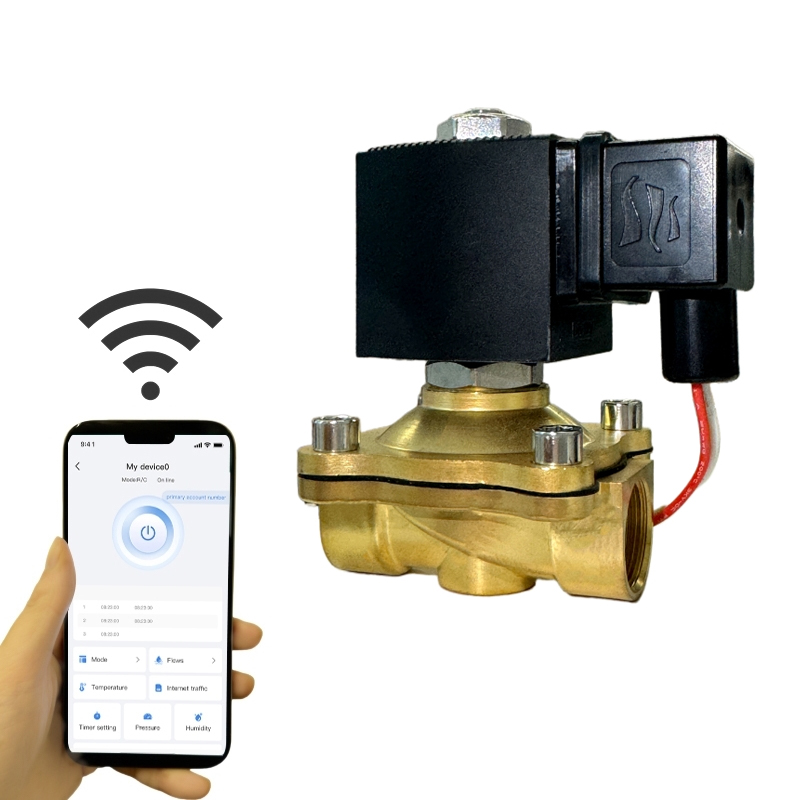
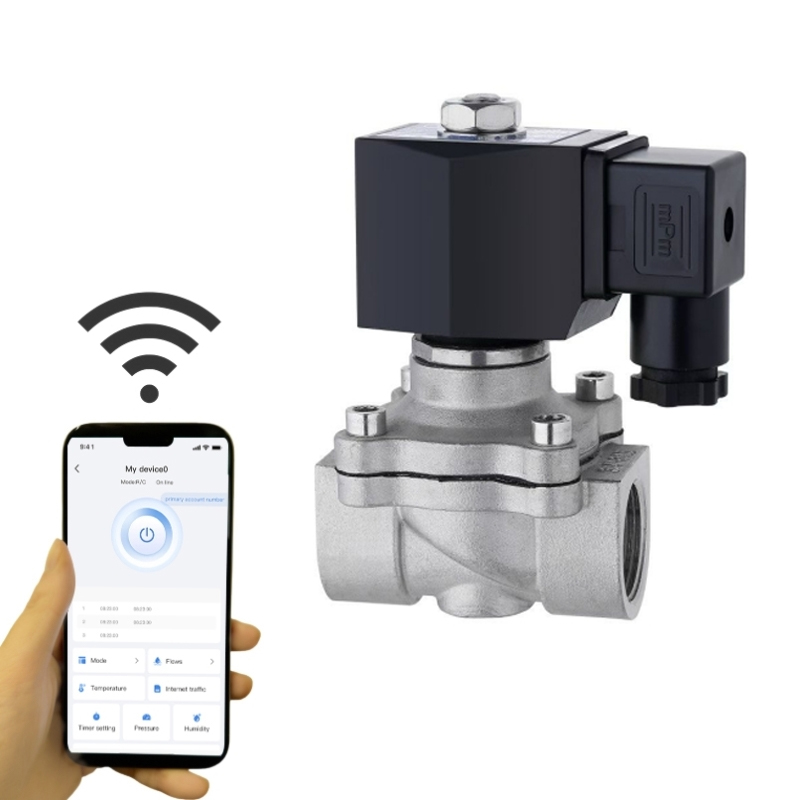
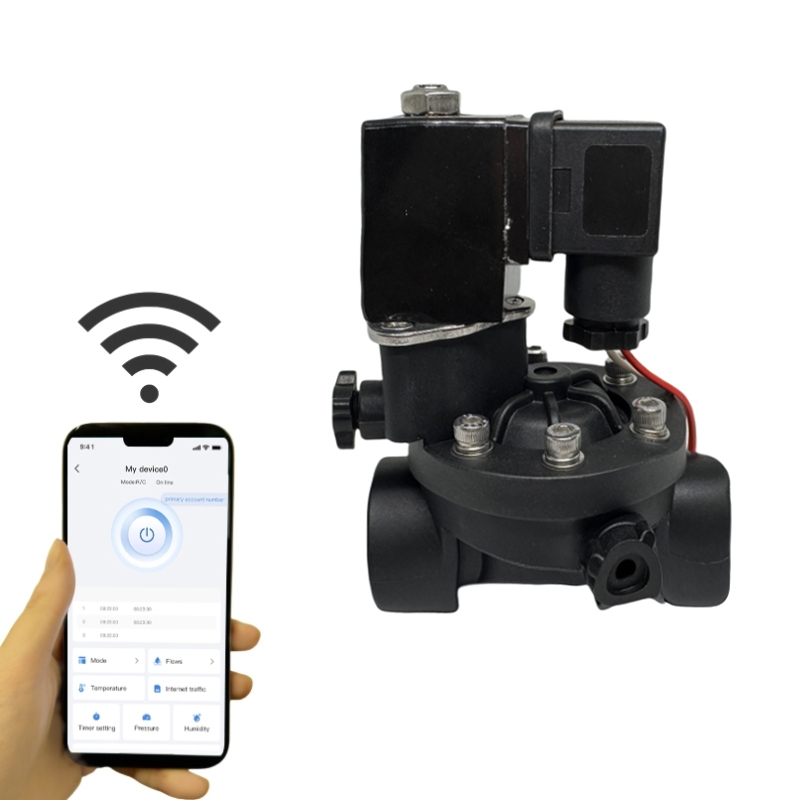
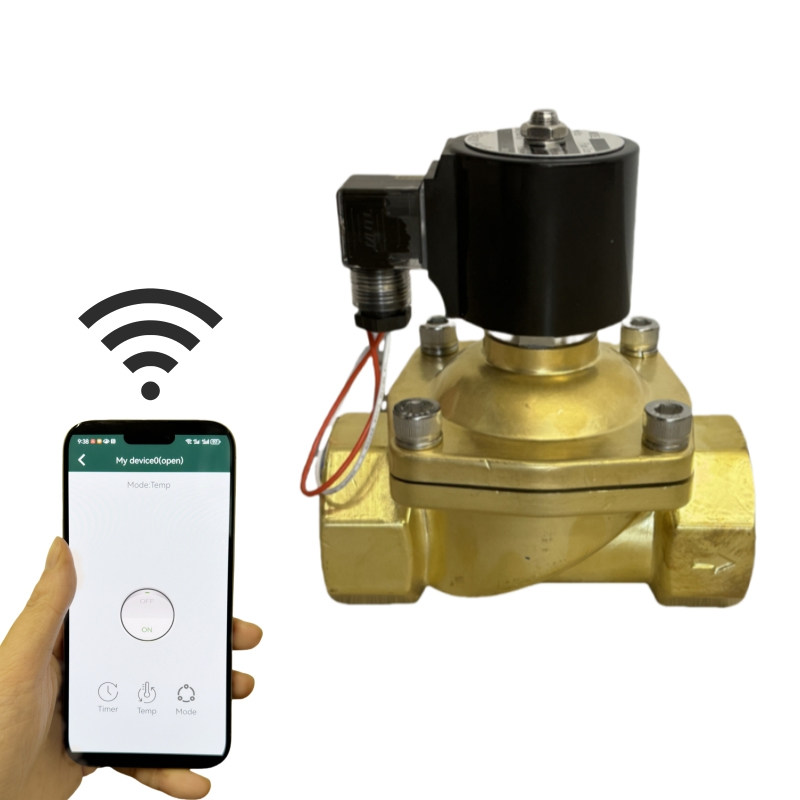
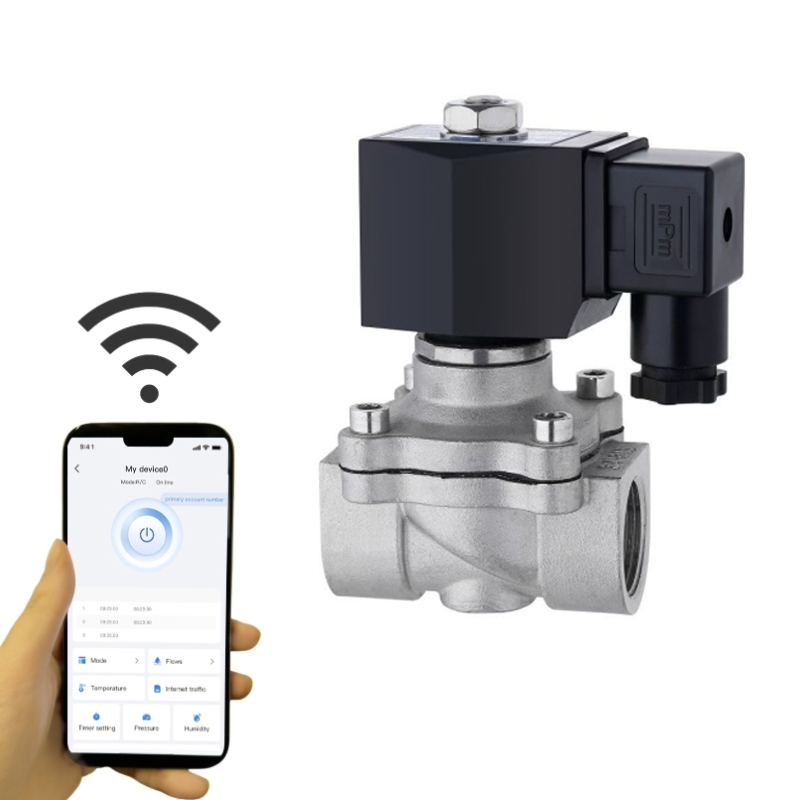
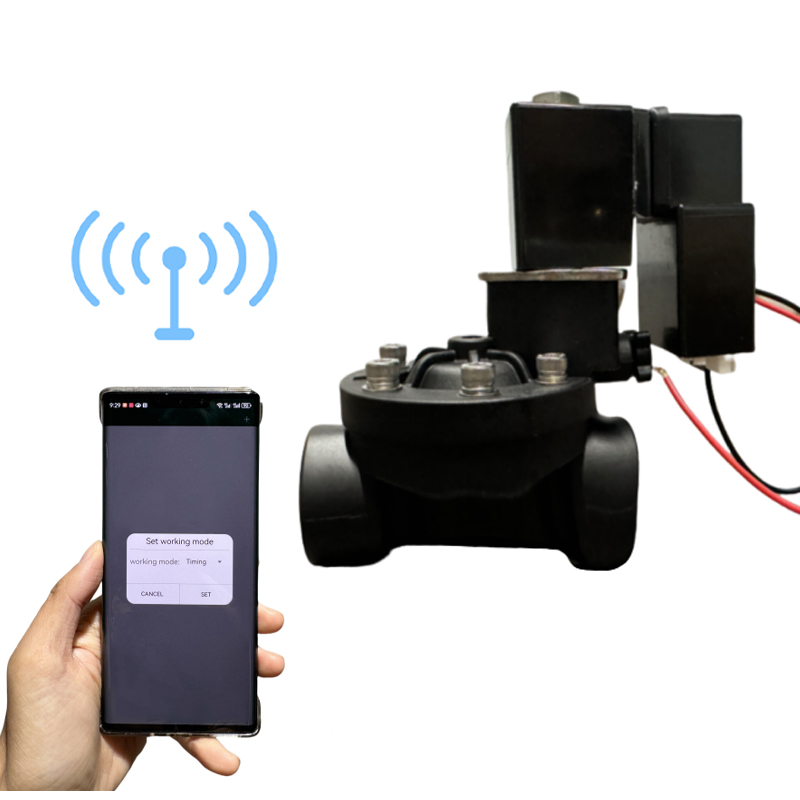
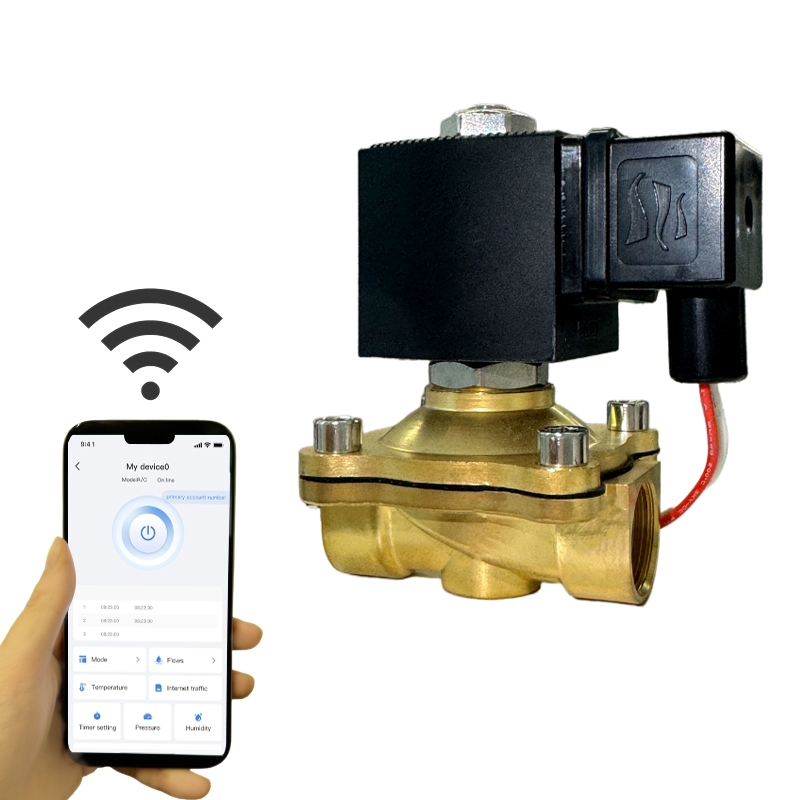
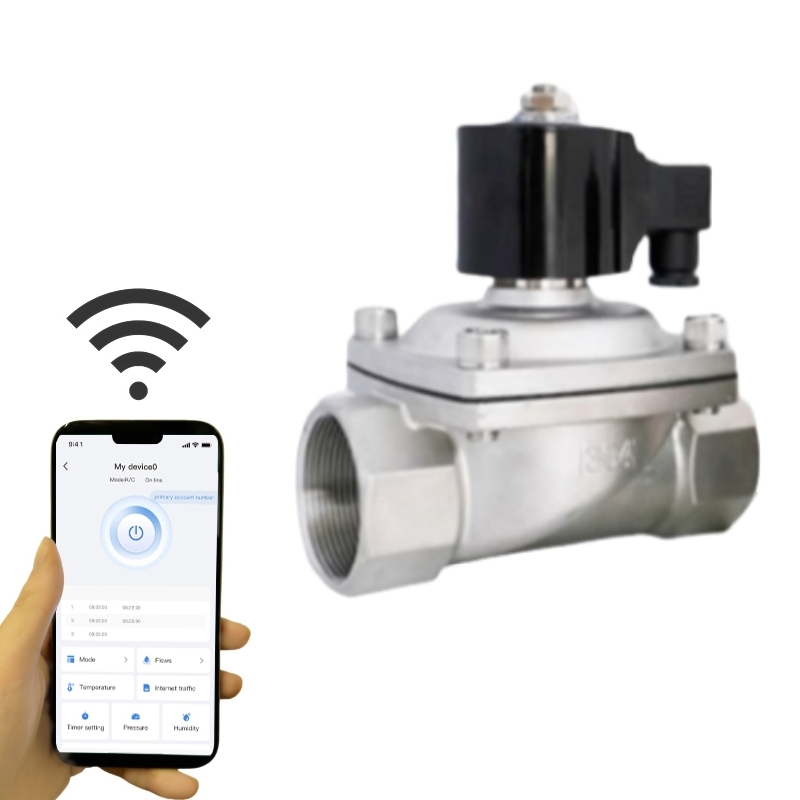
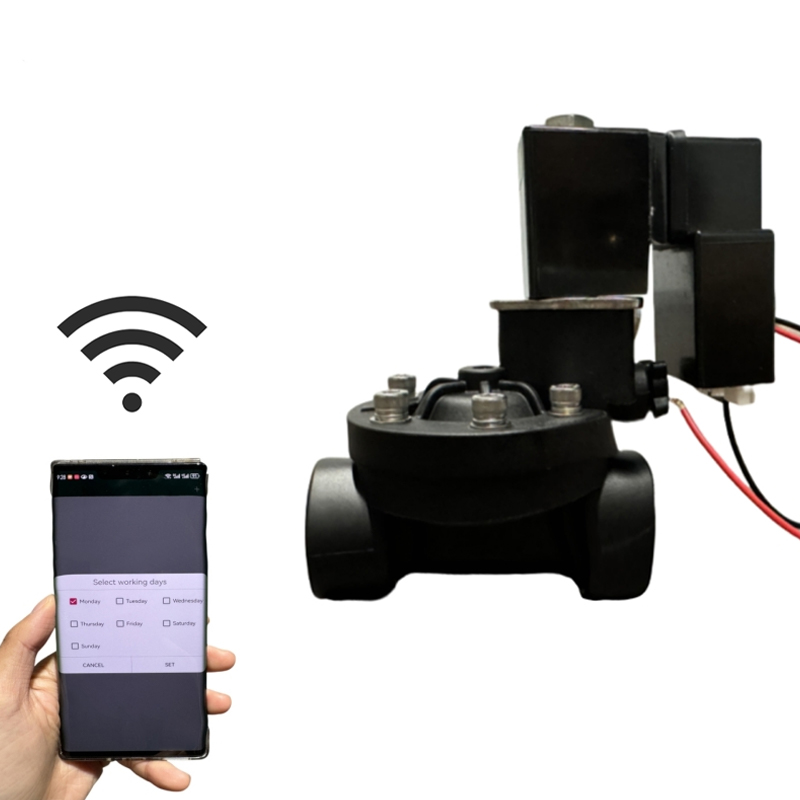
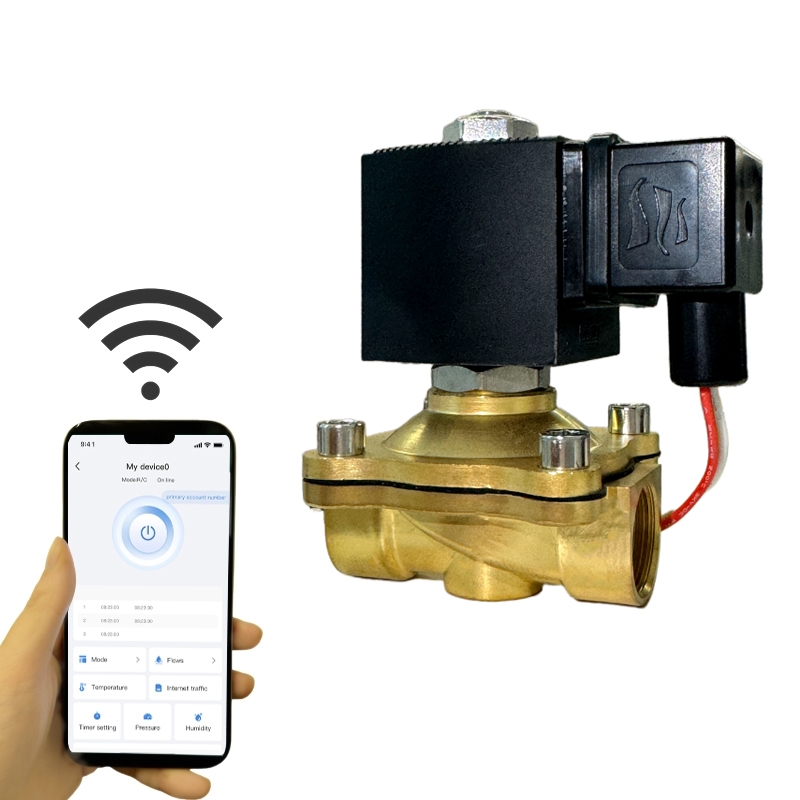
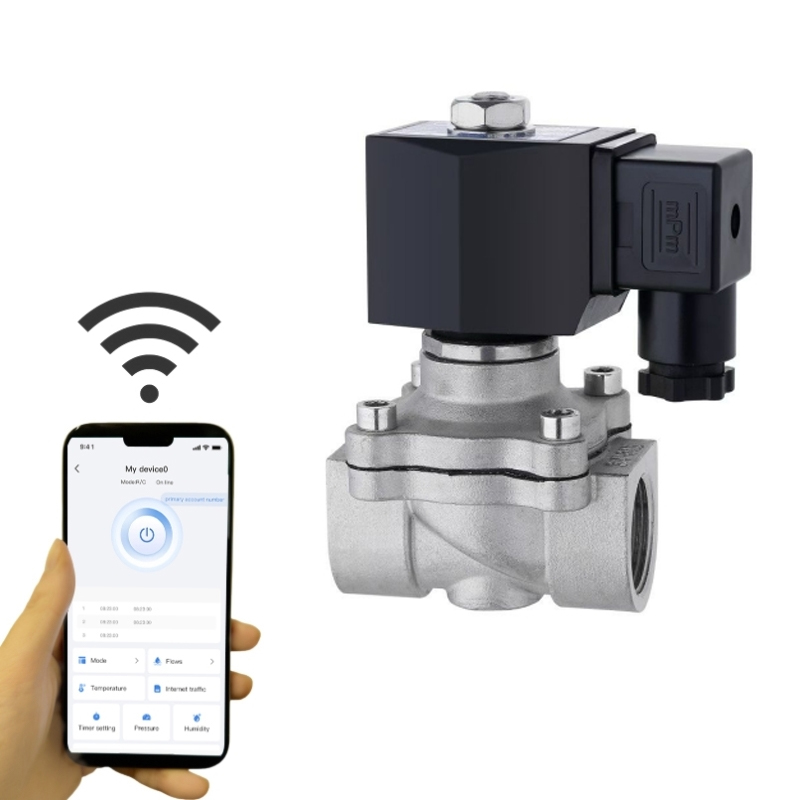
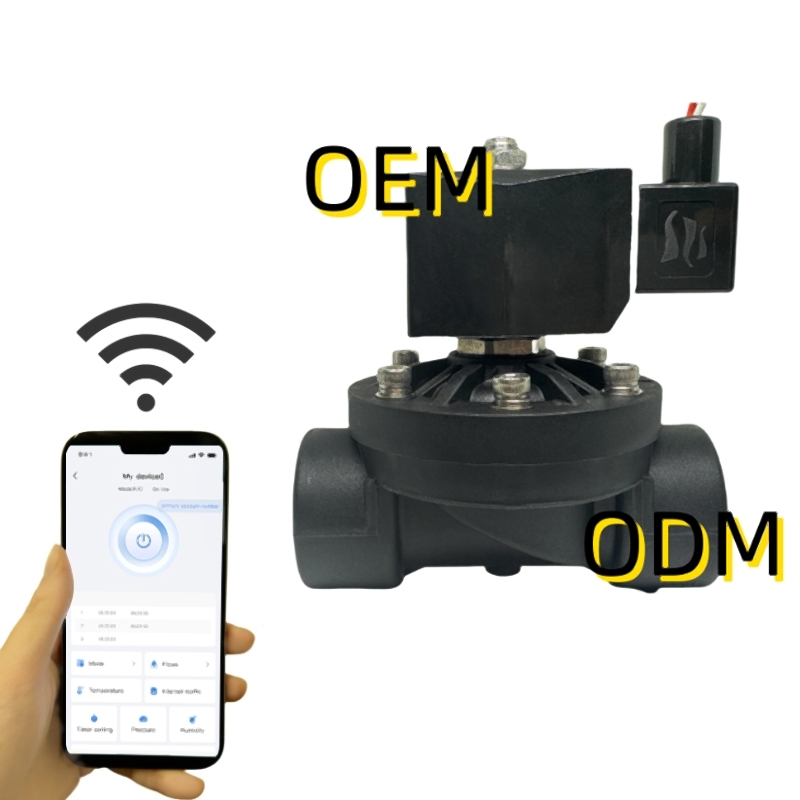

Alahot is Water Solenoid Valves Manufacturer and Factory in China. Follow our social media postings for the latest news and exhibitions.
Discover
Contact
-
 3/F, No.72 Desheng Lane, Gongshu District, Hangzhou, Zhejiang, China
 -

-
 +86-18768178590
Newsletter
Copyright © 2025 Alahot (zhejiang) Technology Co., Ltd.
All Rights Reserved.
OEM/ODM Electric Solenoid Valves Manufacture
