


 English
 Español
News
Home / News / Industry News / How do Direct-Acting Solenoid Valves Perform with High-Viscosity Fluids?

News
Content
Direct-acting solenoid valves are a cornerstone of modern fluid control systems, offering precise control, compact designs, and rapid response times. While these valves are often associated with low-viscosity liquids such as water, oils, or gases, understanding their performance with high-viscosity fluids is critical in industries ranging from food and beverage to chemical processing.
A direct-acting solenoid valve operates using a simple yet effective mechanism: when an electric current passes through the solenoid coil, it generates a magnetic field, which directly moves a plunger or piston to open or close the valve. Unlike pilot-operated valves, which rely on system pressure to assist movement, direct-acting valves function independently of fluid pressure. This allows them to operate reliably even under low-pressure conditions.
Key features of direct-acting solenoid valves include:
Immediate response: The plunger moves directly in response to the coil’s magnetic field, allowing for precise and fast actuation.
Compact design: Their simplicity allows for a smaller footprint compared to pilot-operated alternatives.
Versatility: Suitable for liquids, gases, and steam under various temperature and pressure ranges.
However, the same design that provides precision and speed can also present challenges when handling high-viscosity fluids.
Viscosity is a measure of a fluid’s resistance to flow. High-viscosity fluids, such as syrups, oils, adhesives, and some chemical solutions, present unique difficulties for fluid control systems:
Increased resistance to flow: High-viscosity fluids resist movement, requiring more force to open or close the valve.
Slower response times: The heavier nature of viscous fluids can delay valve actuation, reducing the speed of on-off operations.
Potential for incomplete sealing: Some viscous fluids may prevent the valve seat from fully sealing, causing leaks or drips.
Deposit formation: Sticky or particulate-laden fluids may leave residues that interfere with valve movement over time.
Understanding these challenges is crucial when selecting or designing solenoid valves for viscous fluids.
The performance of a direct-acting solenoid valve with viscous fluids largely depends on design considerations and operating conditions.
Direct-acting solenoid valves rely entirely on the magnetic force generated by the electromagnetic coil to drive the valve core. Facing the increased resistance caused by high-viscosity fluids, manufacturers typically compensate in the following ways:
Increasing coil power: Using higher-power coils to generate stronger magnetic force to overcome fluid resistance. For example, ALAHOT’s direct-acting solenoid valves achieve low power consumption of less than 1W through technological innovation, significantly reducing energy consumption while providing sufficient magnetic force, making them particularly suitable for long-term operation scenarios such as automated production lines.
Optimizing plunger design: A lighter plunger or a plunger with reduced surface area can reduce drag from viscous fluids.
Minimizing friction: High-quality seals and guides reduce the additional resistance caused by fluid viscosity.
These design adjustments help maintain actuation speed and reliability even under demanding fluid conditions.
The valve’s internal geometry also affects performance with viscous fluids:
Larger orifice size: A larger flow path reduces pressure drop and allows thick fluids to move more freely.
Smooth internal surfaces: Minimizing sharp corners and rough surfaces helps prevent fluid stagnation and residue buildup.
Short travel distance: Valves with shorter plunger travel reduce the work required to open or close against viscous resistance.
Proper selection of orifice size and design ensures the valve functions effectively without excessive coil power or delayed actuation.
High-viscosity fluids inherently slow down valve actuation. This can be addressed by:
Allowing longer actuation periods: Ensuring the solenoid remains energized long enough for the valve to fully open.
Using duty-cycle-appropriate coils: High-viscosity operation may require higher continuous power; coils should be rated for such conditions to prevent overheating.
In some cases, system engineers may need to accept slightly slower response times as a trade-off for reliable operation.
Check viscosity compatibility: Manufacturers often specify the maximum fluid viscosity a valve can handle, usually measured in centistokes (cSt). Ensure your fluid is within this range.
Maintain appropriate temperature: Heating a viscous fluid can reduce its viscosity and improve valve performance. For example, oils or syrups may flow more freely when slightly warmed.
Regular cleaning: Viscous fluids are prone to leaving deposits. Scheduled maintenance prevents build-up that can obstruct valve movement.
Consider seal material: Certain elastomers or PTFE seals resist stickiness and chemical interactions better, maintaining performance and reducing wear.
Evaluate cycle frequency: Continuous rapid cycling with high-viscosity fluids may strain the solenoid coil or plunger. Assess the expected duty cycle to avoid premature failure.
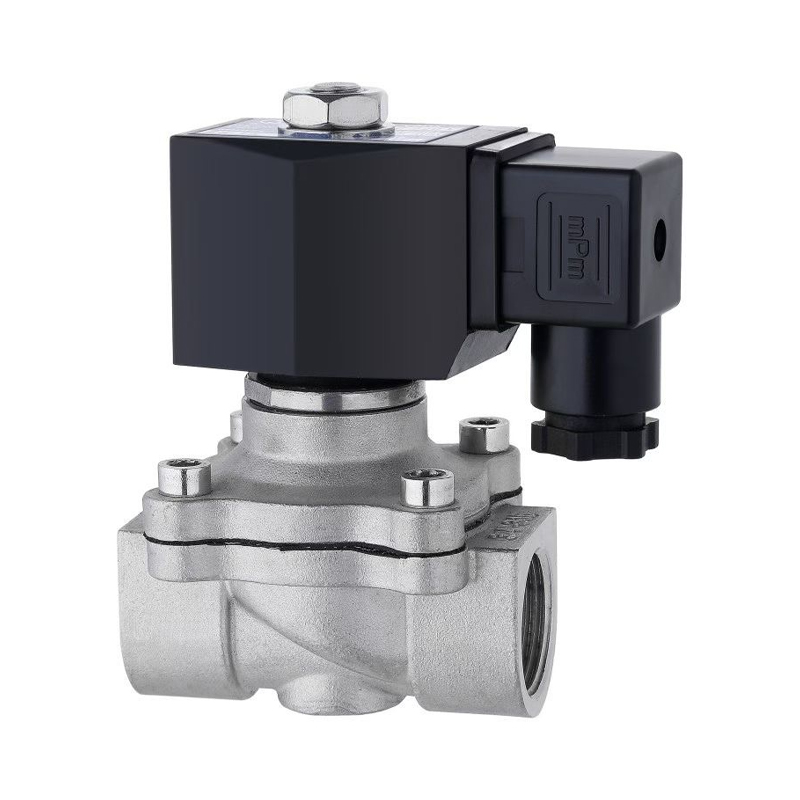
Despite the challenges, direct-acting solenoid valves are successfully used in high-viscosity fluid control in several industries:
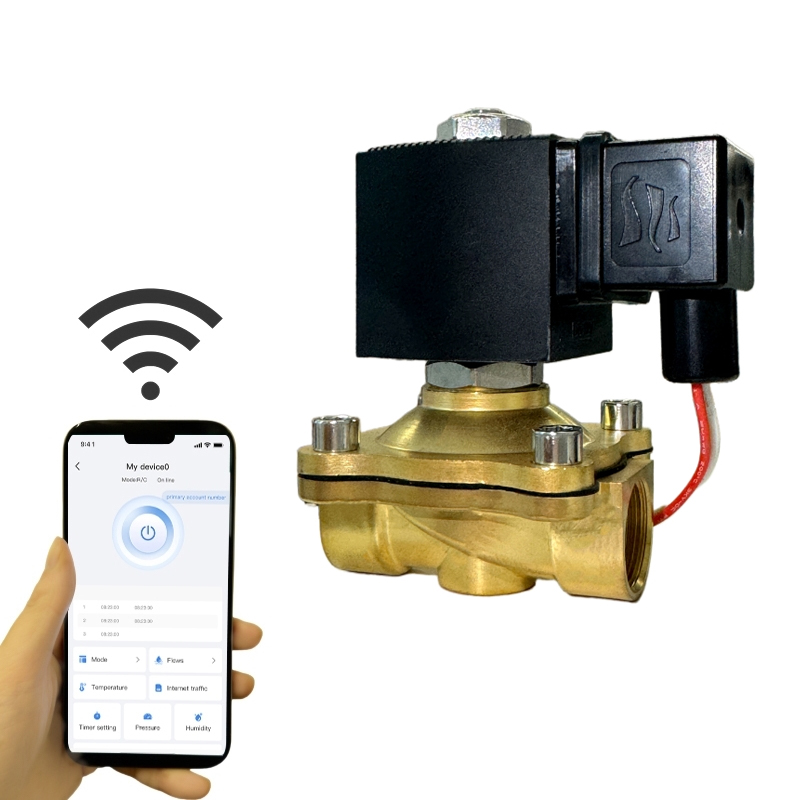
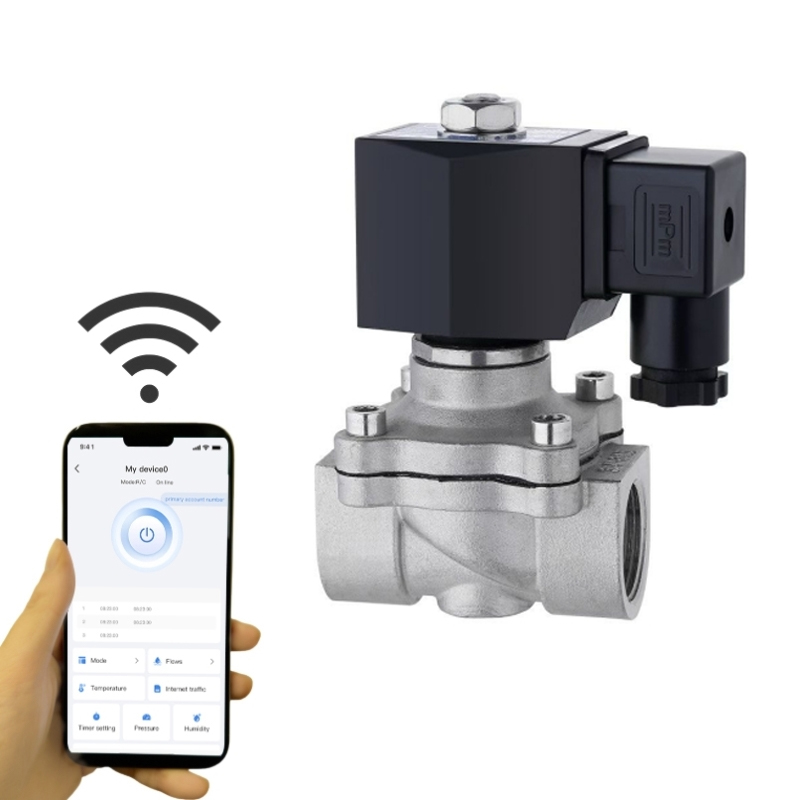
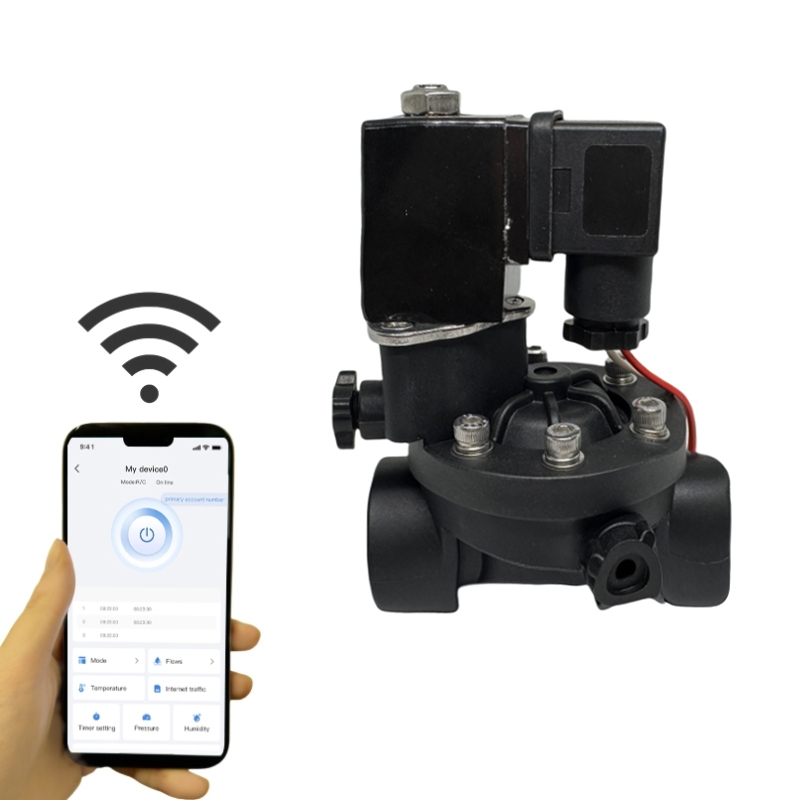
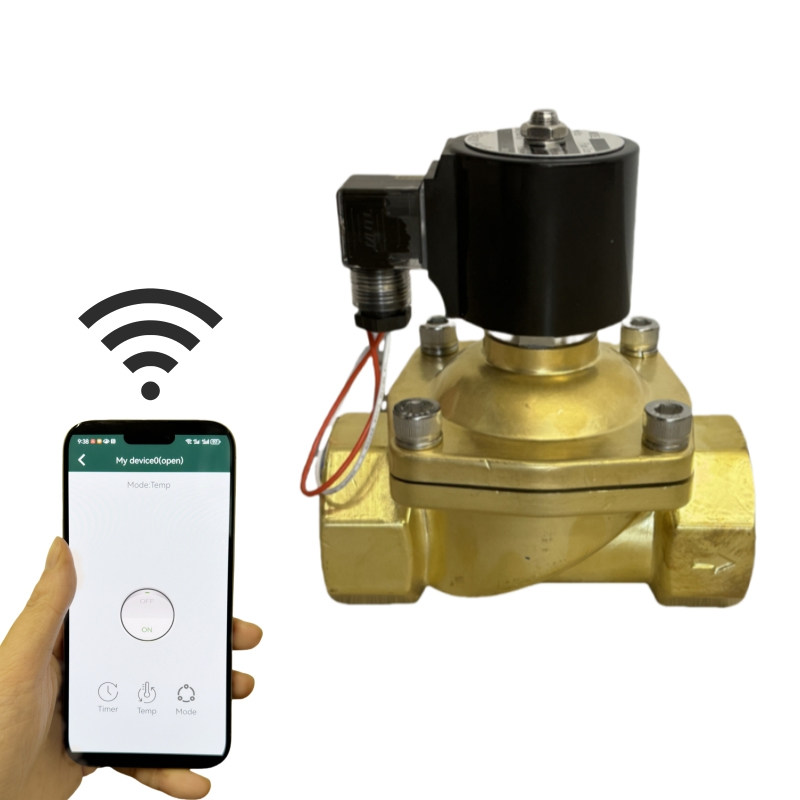
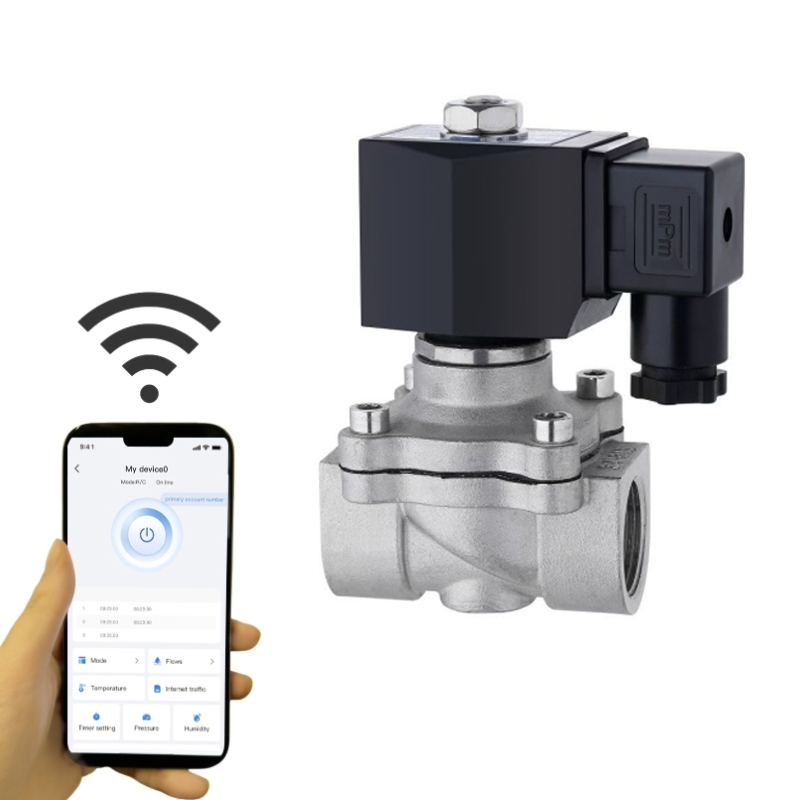
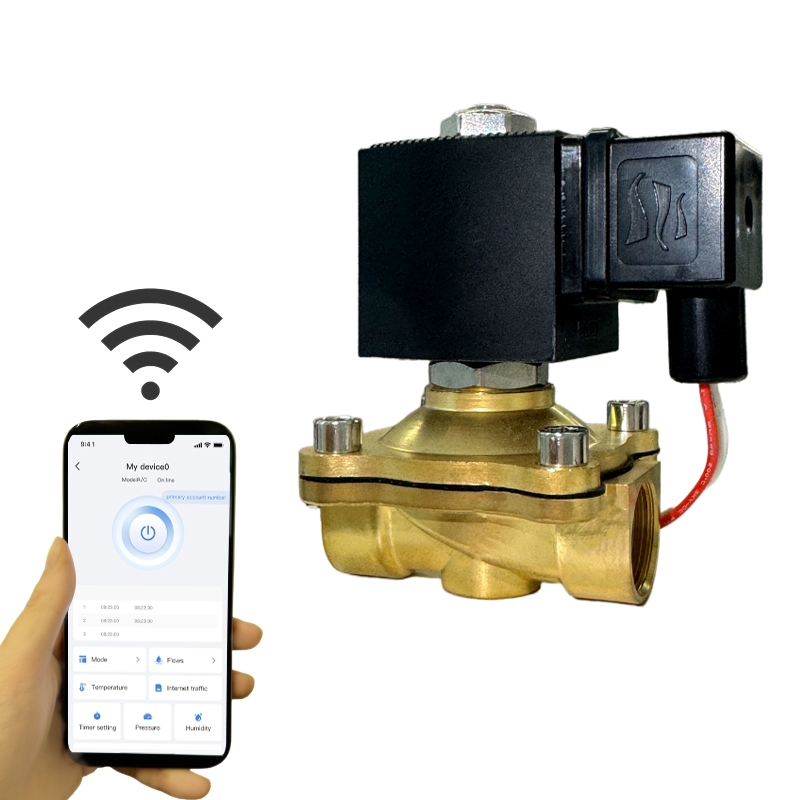
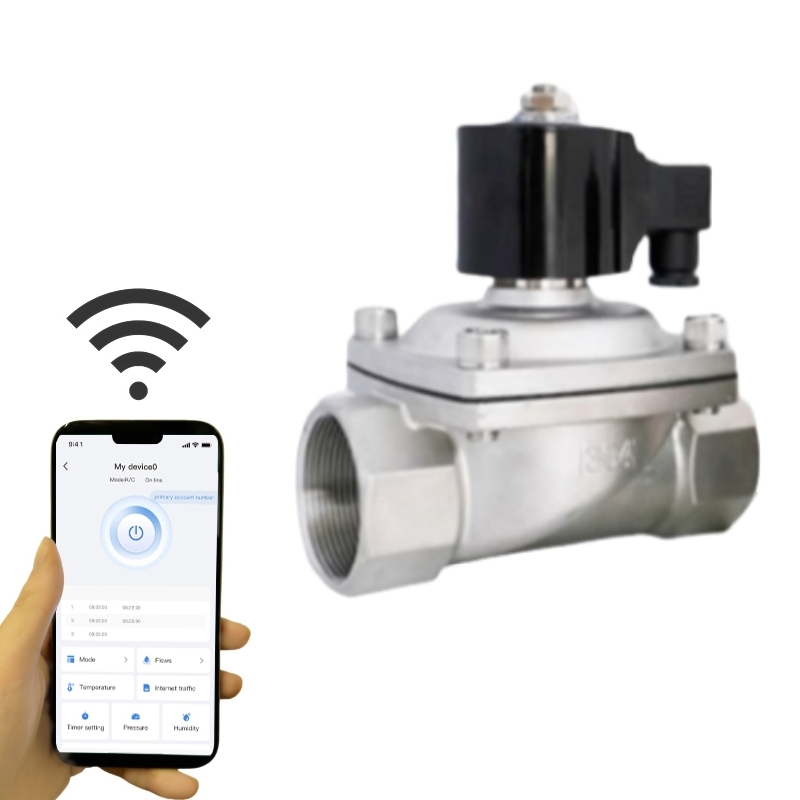
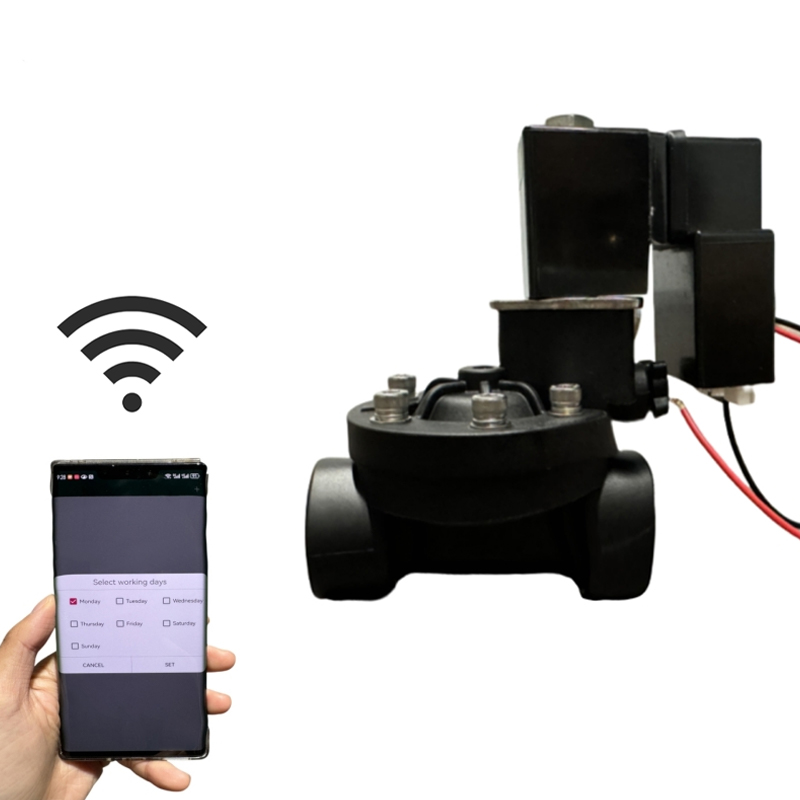
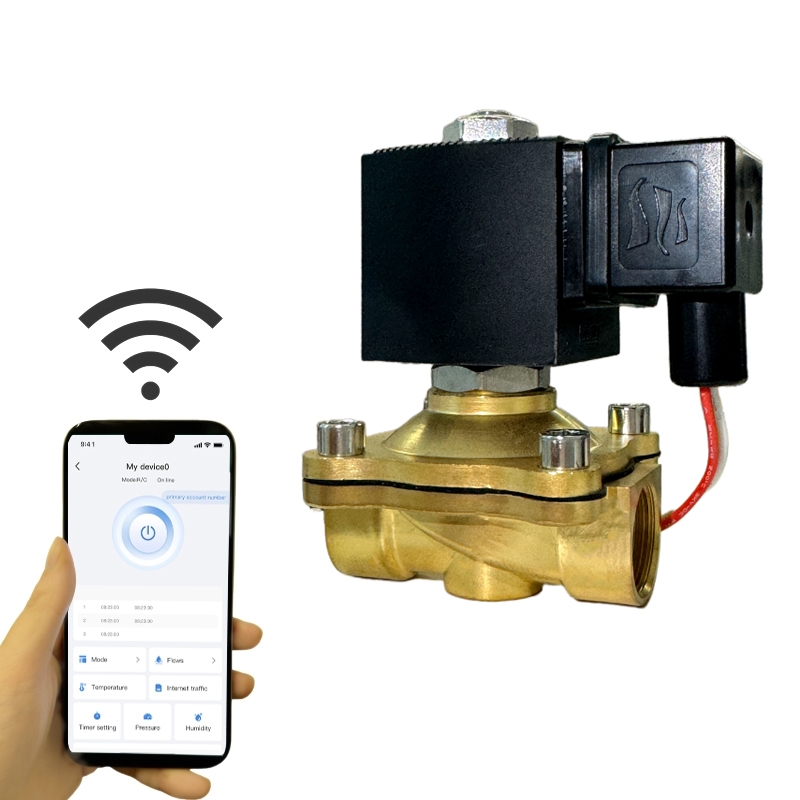
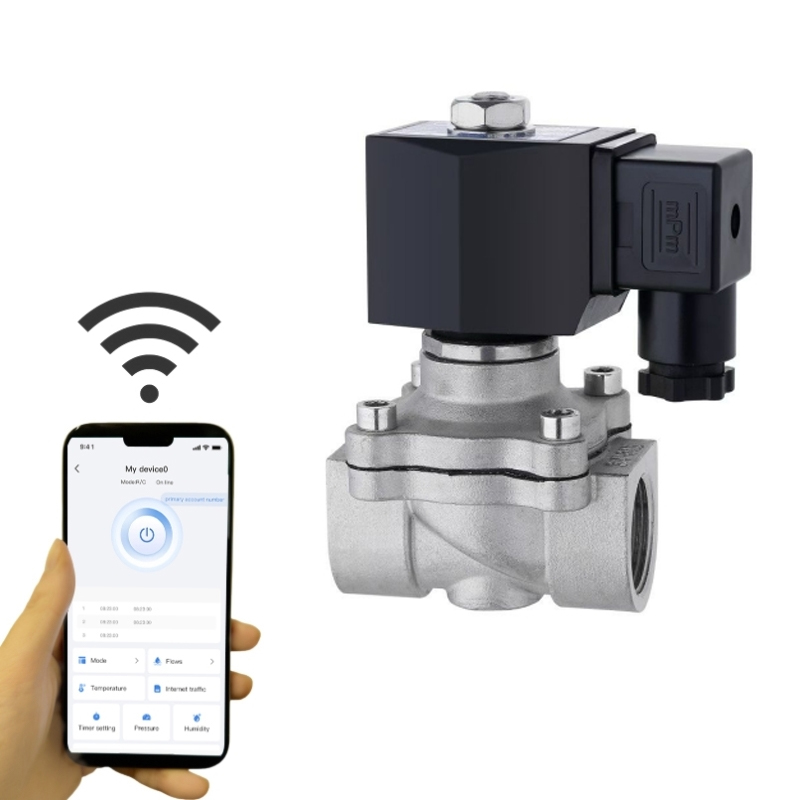
Food and beverage industry: Used in automated production lines for dispensing syrups, chocolate, or sauces. ALAHOT, with its integrated design, combines temperature and pressure sensors with the valve, enabling precise metering and remote control of viscous fluids such as syrups, adapting to the needs of intelligent production lines.
Chemical Processing: Controlling adhesives, polymer solutions, or viscous reactants.
Lubrication Systems: Metering oils and greases in machinery.
Pharmaceutical Production: Handling thick gels, suspensions, or high-viscosity liquids in precision dosing equipment.
In these contexts, proper valve selection, sizing, and maintenance are crucial to reliable operation.
While direct-acting solenoid valves can work with high-viscosity fluids, in some cases, alternative valve designs may be more suitable:
Pilot-operated solenoid valves: Use system pressure to assist valve movement, reducing coil load and improving actuation with thick fluids.
Motorized ball valves: Provide high torque and large flow paths, suitable for very viscous fluids.
Diaphragm valves: Offer excellent sealing and can handle particulate-laden or sticky fluids better than direct-acting valves.
For moderate-viscosity fluids where rapid response is critical, direct-acting valves remain a reliable choice.
Direct-acting solenoid valves can perform effectively with high-viscosity fluids, but success depends on careful consideration of fluid properties, valve design, and operating conditions. By selecting valves with adequate solenoid force, optimized plunger design, and appropriate materials, engineers can maintain reliable flow control even in demanding viscous applications.
Key takeaways include:
Viscosity increases resistance, affecting actuation speed and sealing.
Design adjustments, such as stronger coils and larger orifices, can offset these effects.
Maintenance, temperature management, and material compatibility are essential for long-term performance.
In extreme cases, alternative valve types may provide better results.
Understanding the interaction between valve mechanics and fluid characteristics allows industries to harness the precision of direct-acting solenoid valves without compromising reliability, even when working with challenging high-viscosity liquids.



Copyright © 2025 Alahot (zhejiang) Technology Co., Ltd.
All Rights Reserved.
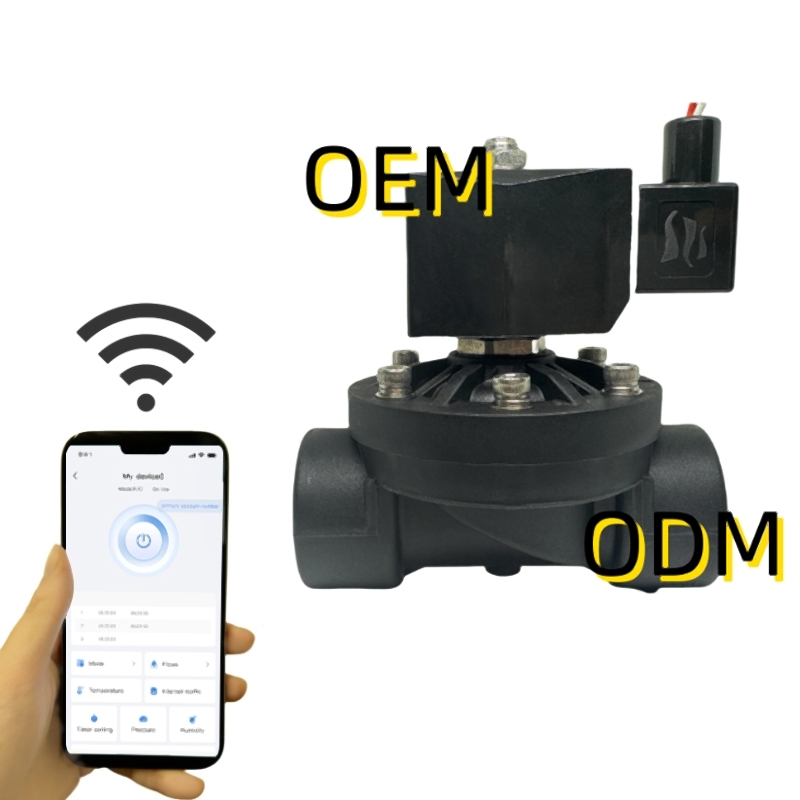
OEM/ODM Electric Solenoid Valves Manufacture
