


 English
 Español
News

Industry News
What is a solenoid valve — concise definition and scope
Content
- 1 Core components and their functions
- 2 Working principle — direct-acting solenoid valves
- 3 Working principle — pilot-operated (servo) solenoid valves
- 4 Proportional and servo-solenoid valves — continuous control
- 5 Flow calculation and key equations
- 6 Comparison table: direct-acting vs pilot-operated vs proportional
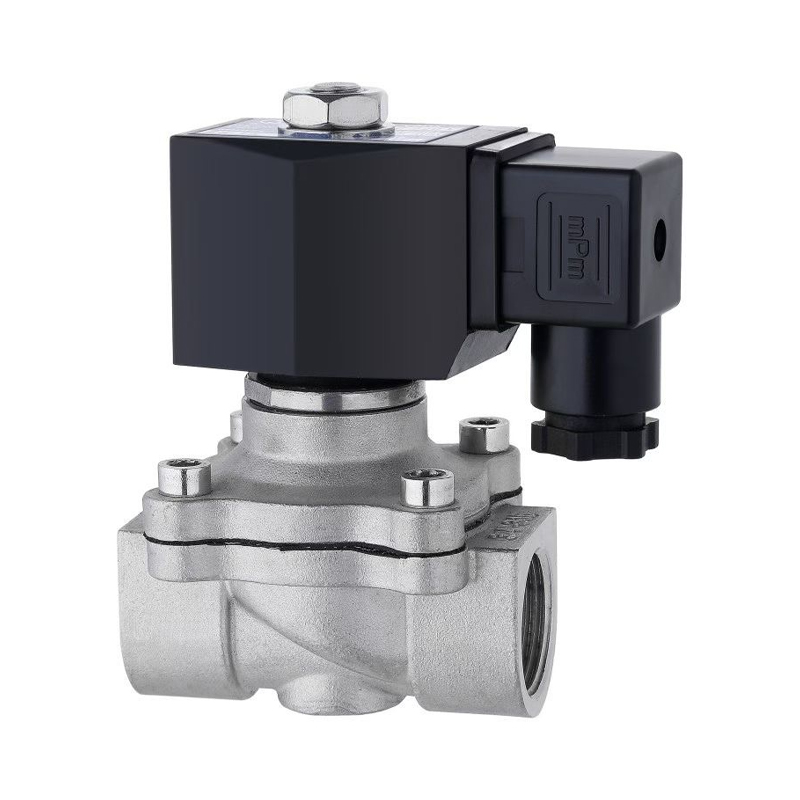
A solenoid valve is an electromechanically actuated valve that controls the flow of fluid (liquid or gas) by converting electrical energy into a mechanical motion. It is widely used in automation, HVAC, process control, pneumatic and hydraulic systems. This article focuses on practical working principles, component-level behavior, selection criteria, performance calculations and hands-on installation and troubleshooting guidance.
Core components and their functions
Understanding the internal parts clarifies how electrical signals become valve motion. Key components:
- Coil (electromagnet): generates magnetic flux when energized. Typical coils are rated by voltage and duty cycle.
- Plunger / Armature: ferromagnetic core that moves axially under the coil’s magnetic force.
- Spring: returns the plunger to its default (normally closed or open) position when coil is de-energized.
- Seat / Orifice: the sealing interface that blocks or allows flow; its geometry determines flow coefficient.
- Body and ports: channel the process fluid and connect the valve to piping. Materials vary (brass, stainless steel, plastic).
- Seals and diaphragms: ensure tight shutoff and resist media compatibility issues.
Working principle — direct-acting solenoid valves
Direct-acting solenoid valves operate by the coil pulling the plunger directly against a spring to open (or close) the flow path. They are simple, fast, and can operate at zero differential pressure. Typical sequence:
- Electrical input: apply specified DC or AC voltage to the coil.
- Magnetic flux: coil produces magnetic field; flux lines concentrate through the plunger.
- Plunger displacement: magnetic force overcomes spring and fluid forces; plunger lifts off seat.
- Flow established: media flows through the orifice until the coil is de-energized and the spring reseats the plunger.
Direct-acting valves are suitable for small orifices, fast cycle applications, and wherever line pressure cannot be relied on to operate a pilot stage.
Working principle — pilot-operated (servo) solenoid valves
Pilot-operated solenoid valves use the solenoid only to control a small pilot orifice; the main valve uses system pressure (differential pressure) to open or close. This design achieves larger flow with smaller coils but requires minimum pressure differential to operate.
Sequence for normally closed pilot-operated valve:
- At rest: main spool/diaphragm is held closed by upstream pressure; the pilot orifice is sealed.
- Coil energizes: opens pilot orifice slightly, allowing a controlled bleed of pressure from above the diaphragm or spool.
- Pressure drop: the pressure imbalance causes the main diaphragm or spool to move, opening the main flow path with full line flow capacity.
- Coil de-energizes: pilot orifice closes, pressure equalizes and spring or line pressure reseats the main valve.
Pilot-operated valves are energy-efficient for large flow rates, but will not operate below their specified minimum differential pressure (ΔPmin).
Proportional and servo-solenoid valves — continuous control
Proportional solenoid valves vary opening continuously as coil current changes; they combine a feedback spring, position sensors or current/voltage control and often include a built-in amplifier. They are used where variable flow or pressure control is needed rather than simple on/off switching.
- Control signal (analog/PWM) modulates coil current.
- Plunger position and flow vary proportionally; closed-loop versions use position sensors for higher accuracy.
- Applications: precise dosing, lab equipment, proportional pressure control in hydraulic systems.
Flow calculation and key equations
Designers need a quick way to estimate pressure drop and flow through a valve. Two commonly used parameters:
- Kv / Cv coefficient: Kv (m³/h at 1 bar drop) or Cv (US gallons per minute at 1 psi drop) quantifies valve capacity. Use manufacturer Kv to size valve for required flow.
- Orifice equation (incompressible fluids):
Q = A · C_d · sqrt(2·ΔP/ρ), where Q is flow, A is effective orifice area, C_d is discharge coefficient, ΔP is pressure drop, and ρ is fluid density.
For gases, apply compressible flow relations or use equivalent Cv/Kv tables provided by manufacturers and correct for viscosity and Reynolds number where necessary. Always ensure ΔP available is above pilot ΔPmin for pilot-operated valves.
Comparison table: direct-acting vs pilot-operated vs proportional
| Feature | Direct-acting | Pilot-operated | Proportional |
| Max flow | Low to medium | High (large Cv) | Medium to high |
| Minimum ΔP | 0 (works at zero ΔP) | Requires ΔPmin | Varies by design |
| Response speed | Fast | Moderate | Controlled (depends on electronics) |
| Typical use | Pneumatics, small fluid control | Process valves, water supply | Dosing, proportional flow control |
Our Main Products
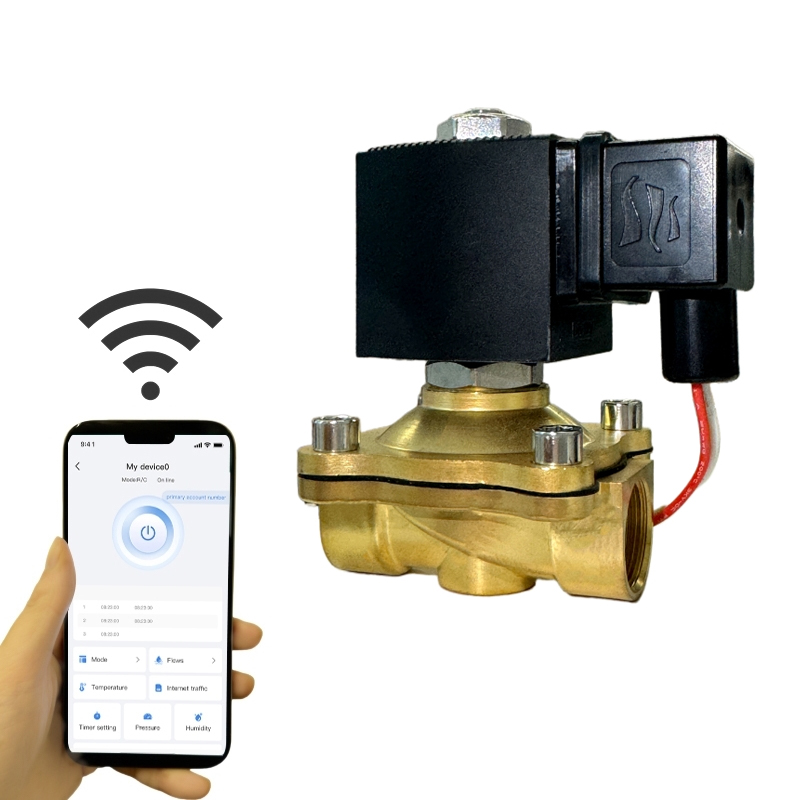
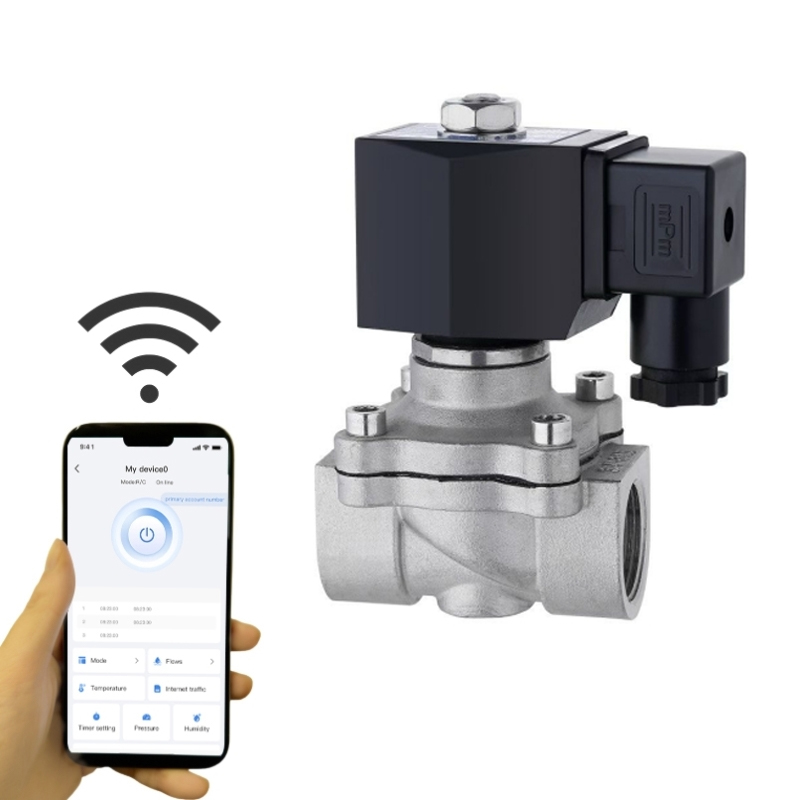
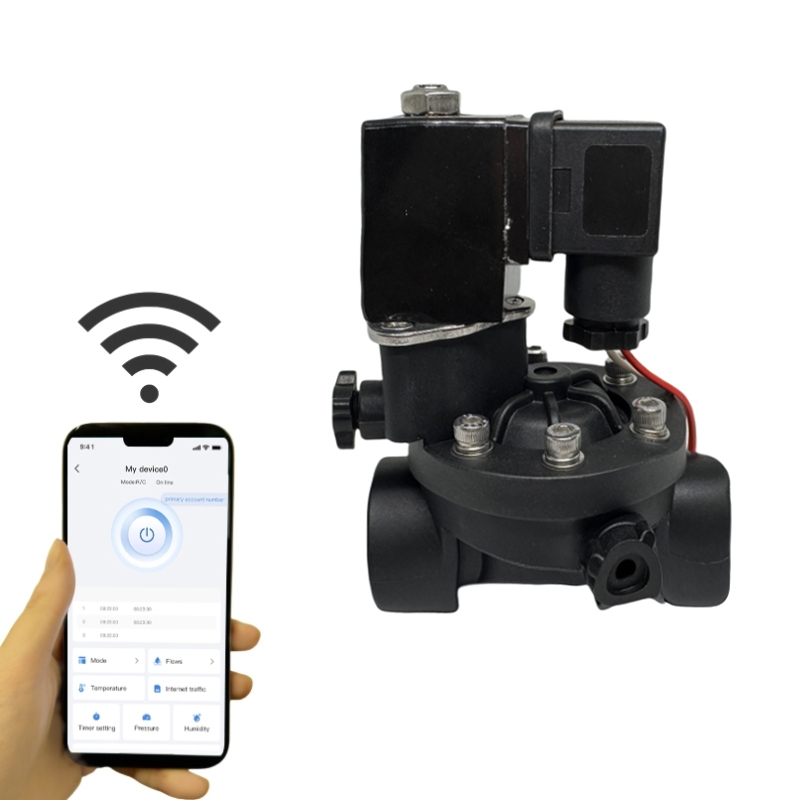
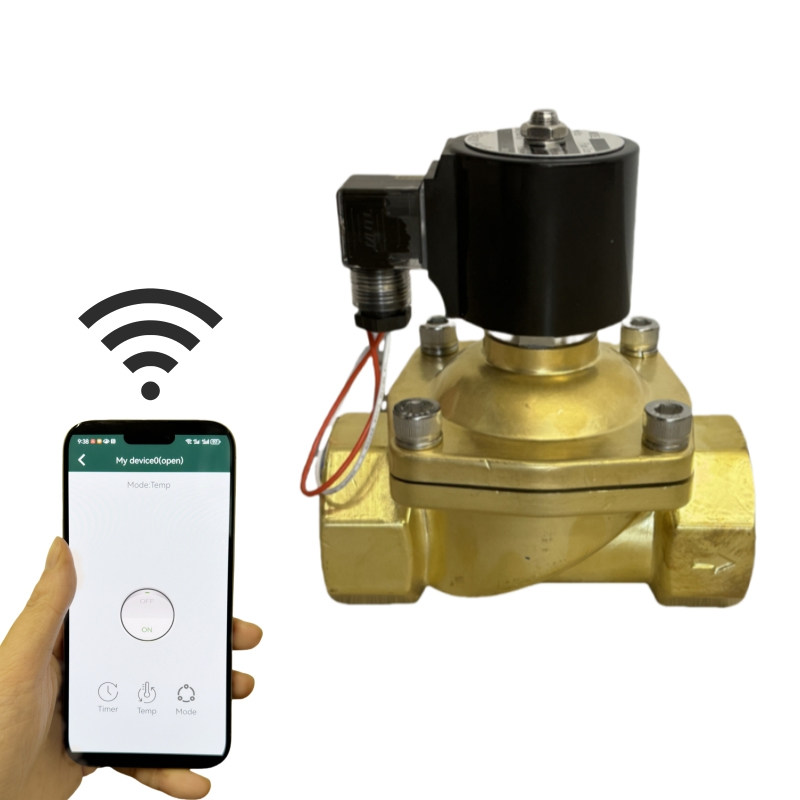
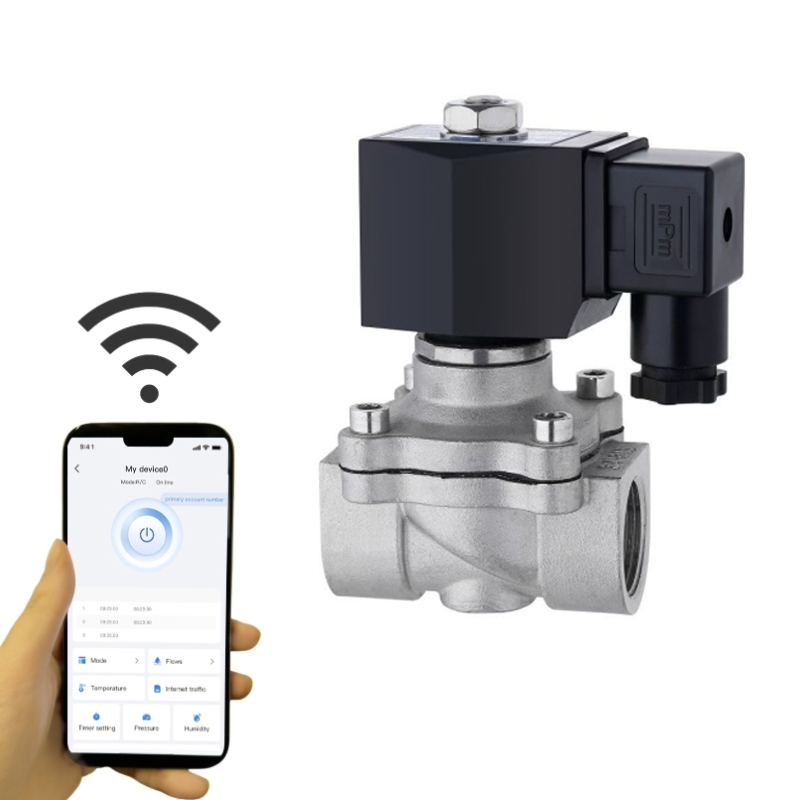
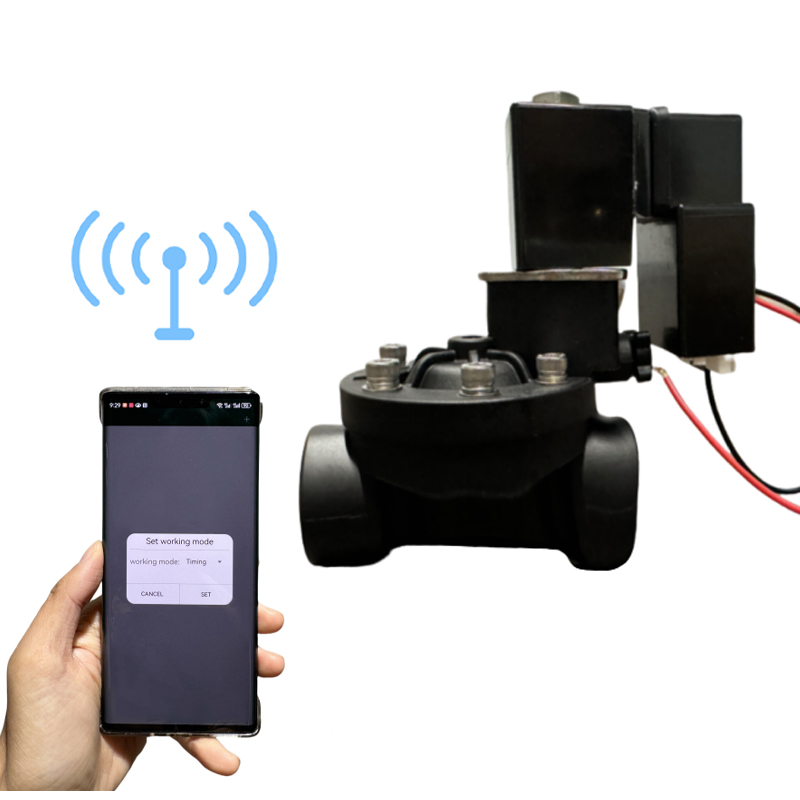
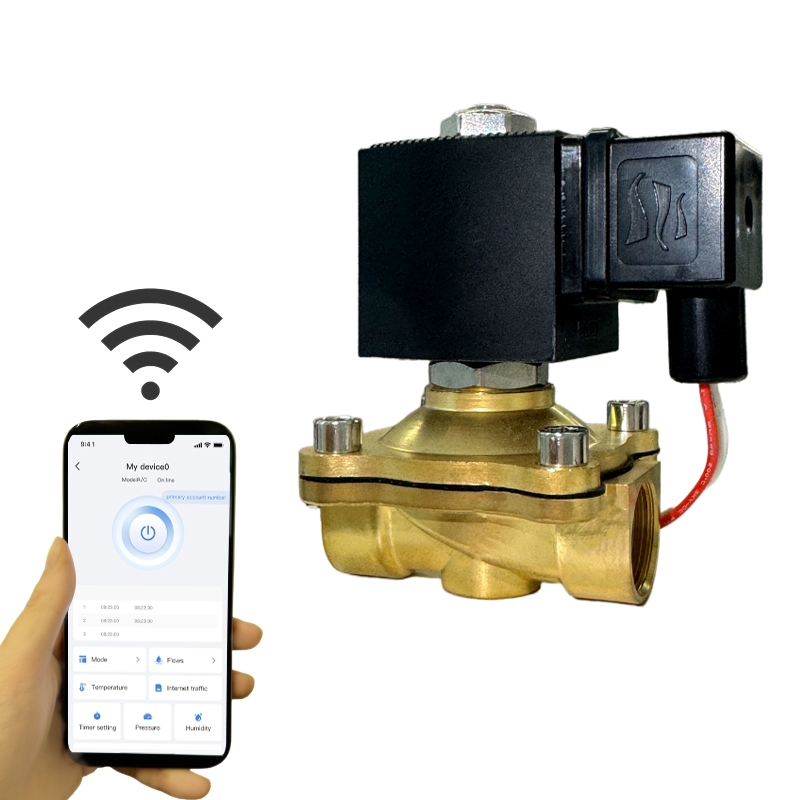
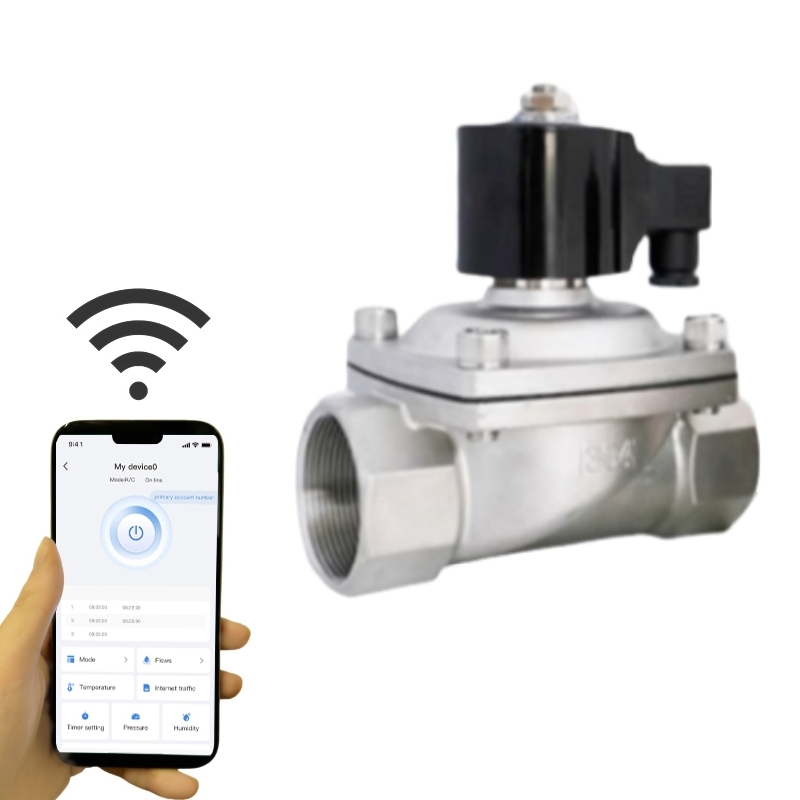
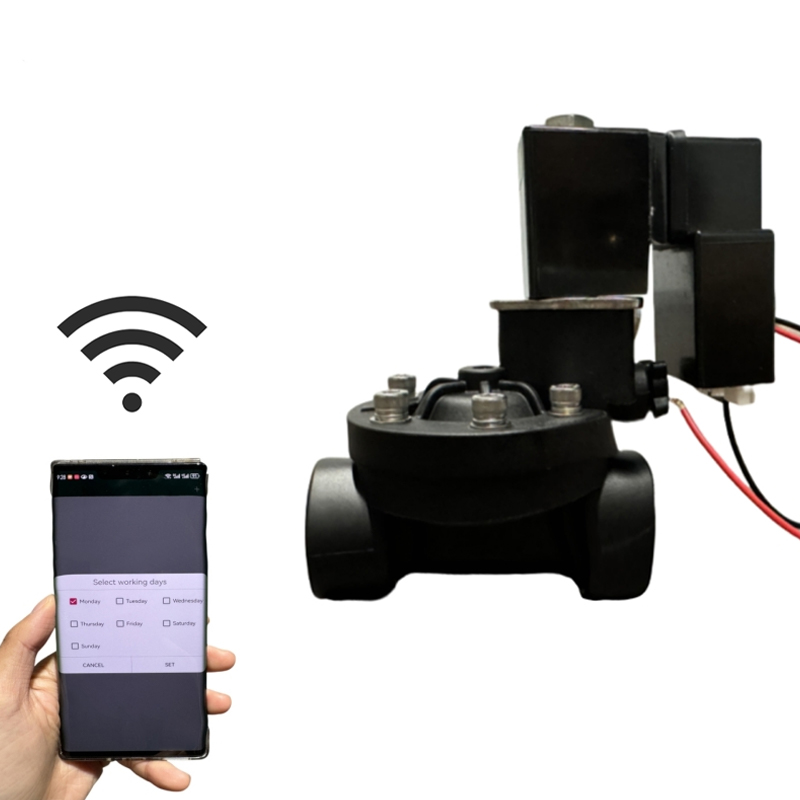
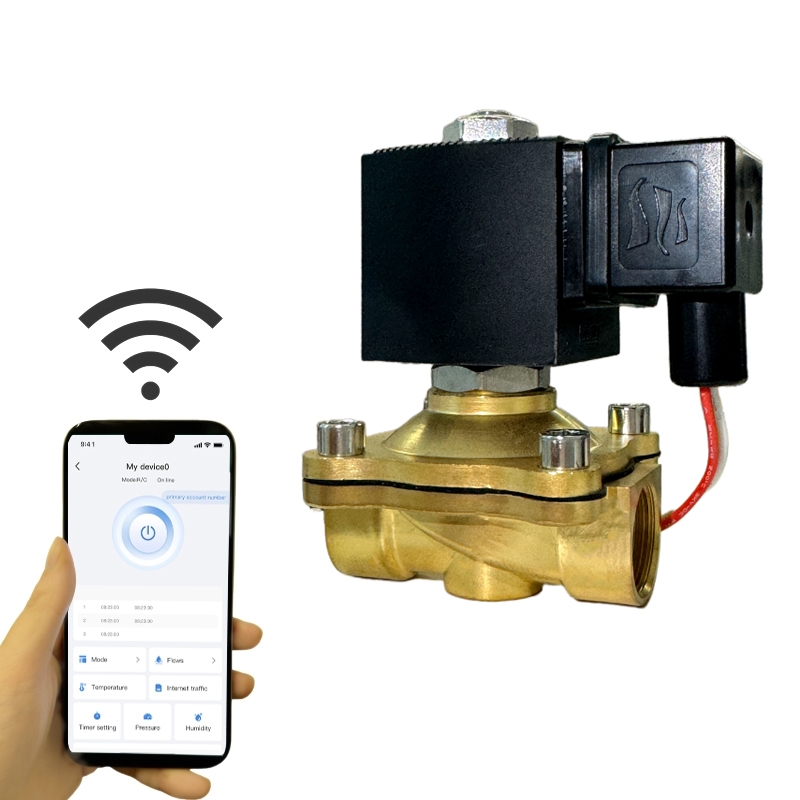
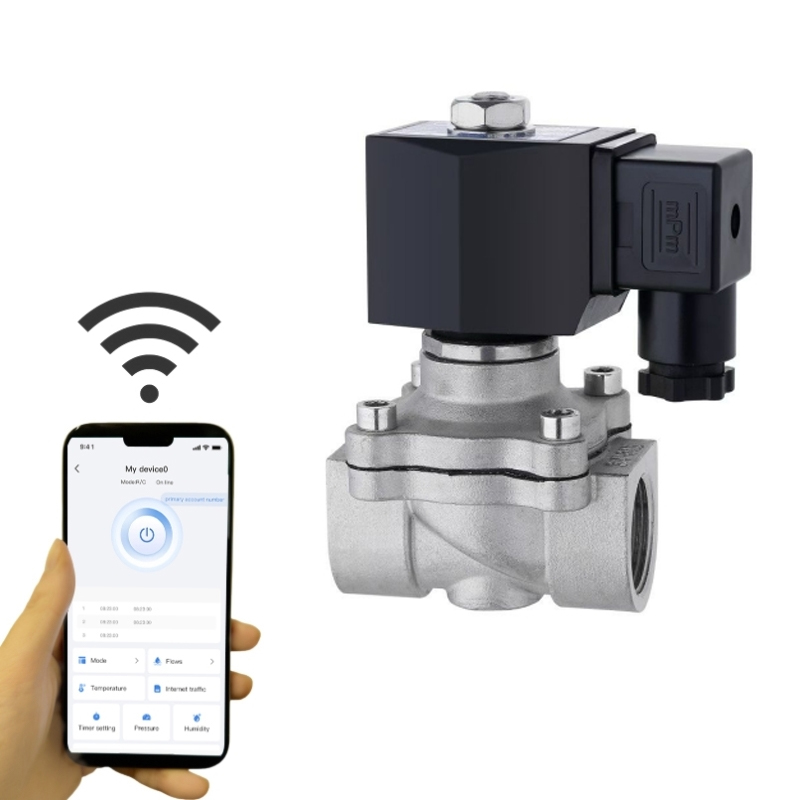

Alahot is Water Solenoid Valves Manufacturer and Factory in China. Follow our social media postings for the latest news and exhibitions.
Discover
Contact
-
 3/F, No.72 Desheng Lane, Gongshu District, Hangzhou, Zhejiang, China
 -

-
 +86-18768178590
Newsletter
Copyright © 2025 Alahot (zhejiang) Technology Co., Ltd.
All Rights Reserved.
OEM/ODM Electric Solenoid Valves Manufacture
