


 English
 Español
News
Home / News / Industry News / Latching Operated Solenoid Valves: Applications, Design, and Optimization

News
Content
Latching operated solenoid valves are designed to maintain their open or closed state without continuous electrical power. Unlike traditional solenoids, which require constant energy to maintain position, latching valves use a short pulse of current to change states. This feature offers significant energy savings, especially in systems with frequent actuation or long hold times. They are widely used in water treatment, pneumatic systems, HVAC, and automated manufacturing lines where energy efficiency and reliable position holding are critical.
The design of latching operated solenoid valves revolves around the magnetic latching mechanism. Typically, a permanent magnet is combined with an electromagnetic coil. When a pulse is applied to the coil, the plunger or armature moves to the desired position and is held there by the permanent magnet. The direction or polarity of the pulse determines whether the valve opens or closes. This system reduces heat generation, extends coil life, and minimizes energy consumption compared to continuous-duty solenoids.
Magnetic latching mechanisms use a combination of electromagnetic force and permanent magnets to hold the valve position. Proper magnet selection and coil design ensure that the valve responds reliably to pulse signals, even under varying fluid pressures. Engineers must carefully balance magnetic force to prevent unintentional movement while allowing smooth actuation.
The pulse duration and voltage applied to latching solenoids must be optimized for reliable operation. Excessively short pulses may fail to actuate the valve fully, while overly long pulses increase energy consumption and generate unnecessary heat. Manufacturers usually provide recommended pulse ranges based on coil resistance, voltage, and ambient temperature. Implementing precise pulse control in automated systems enhances repeatability and reduces maintenance needs.
Latching solenoid valves are inherently energy-efficient because they require current only during state changes. This translates into substantial cost savings in systems with large numbers of valves or continuous operation. For battery-powered devices, the reduced energy requirement prolongs operational life and reduces the frequency of recharging or battery replacement.
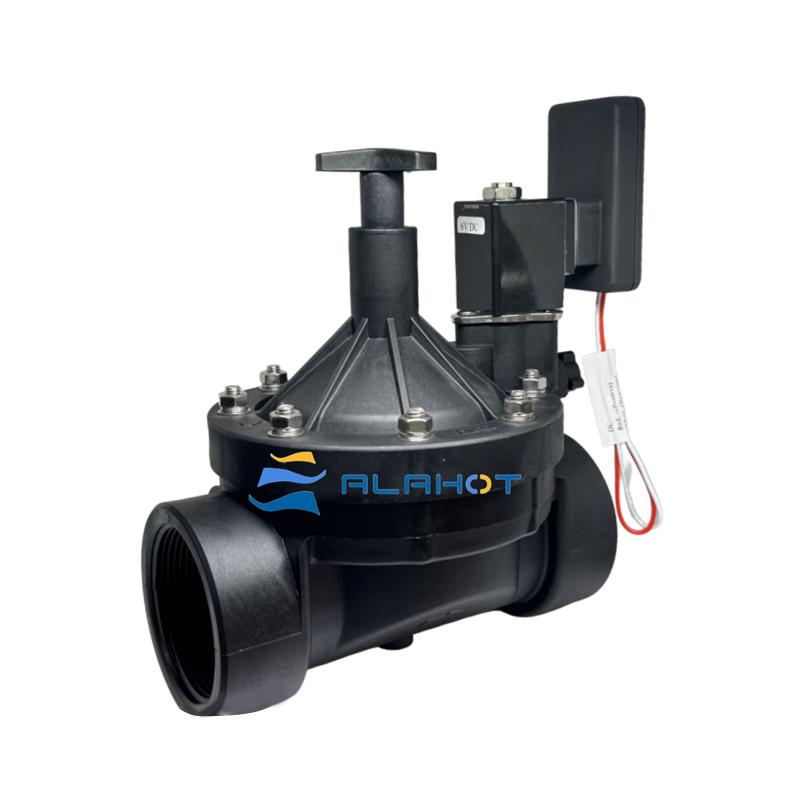
Material selection is critical for latching operated solenoid valves, as inappropriate choices can lead to corrosion, seal failure, or reduced valve life. Stainless steel and brass are commonly used for bodies, while PTFE and FKM are preferred for seals in chemically aggressive or high-temperature environments. Engineers must evaluate fluid viscosity, temperature, and chemical composition to select appropriate materials that maintain reliable operation.
High-quality seal materials ensure minimal leakage and long-term durability. For water and neutral fluids, EPDM seals are often sufficient, whereas aggressive chemicals require PTFE or FKM. The plunger material must resist wear, friction, and corrosion to maintain consistent response over thousands of cycles.
Valve body materials must handle pressure, thermal expansion, and chemical exposure. Stainless steel is ideal for aggressive environments, while brass is suitable for general industrial fluids. Correct material selection prevents premature failure, ensures reliability, and simplifies maintenance schedules.
Proper installation is essential for achieving the full benefits of latching solenoid valves. Valves must be mounted in orientations compatible with their design, with careful attention to flow direction, pressure ratings, and vibration isolation. Electrical connections should follow manufacturer specifications for pulse control, voltage, and current limits.
Although latching solenoid valves are low-maintenance, operational issues can arise. Common problems include failure to actuate, leakage, or inconsistent response. Systematic troubleshooting helps maintain reliable operation and extend valve life.
Selecting the right latching solenoid valve involves evaluating several performance metrics, including response time, pressure rating, and duty cycle. Engineers should consider both electrical and hydraulic requirements to ensure reliable operation under all anticipated conditions.
| Parameter | Typical Range | Application |
| Response Time | 10–50 ms | High-speed automation |
| Pressure Rating | 0–10 bar | Water, air, and general fluids |
| Duty Cycle | Continuous intermittent | Battery-powered or energy-sensitive applications |
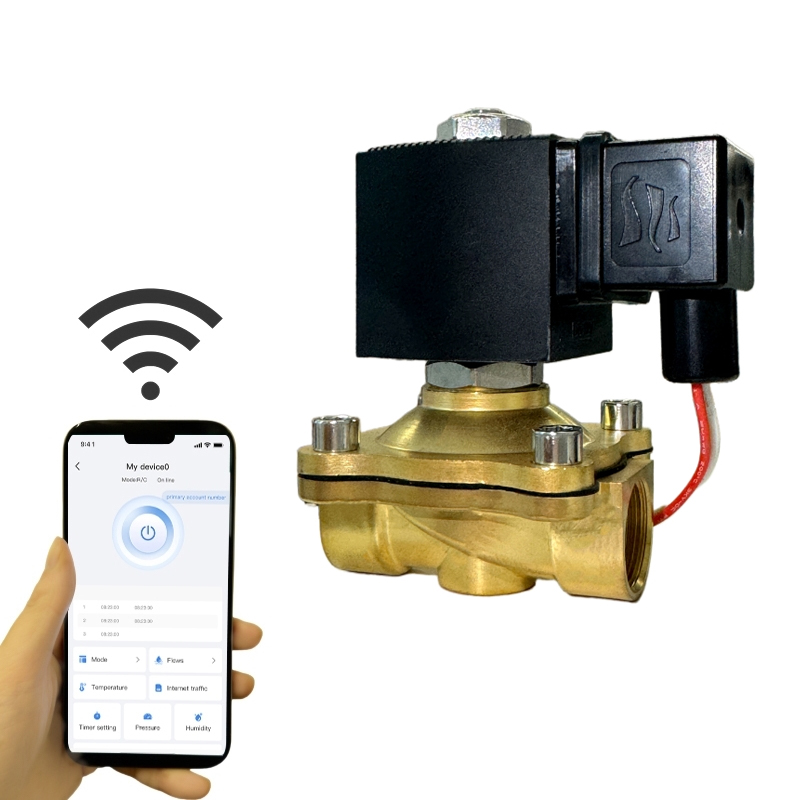
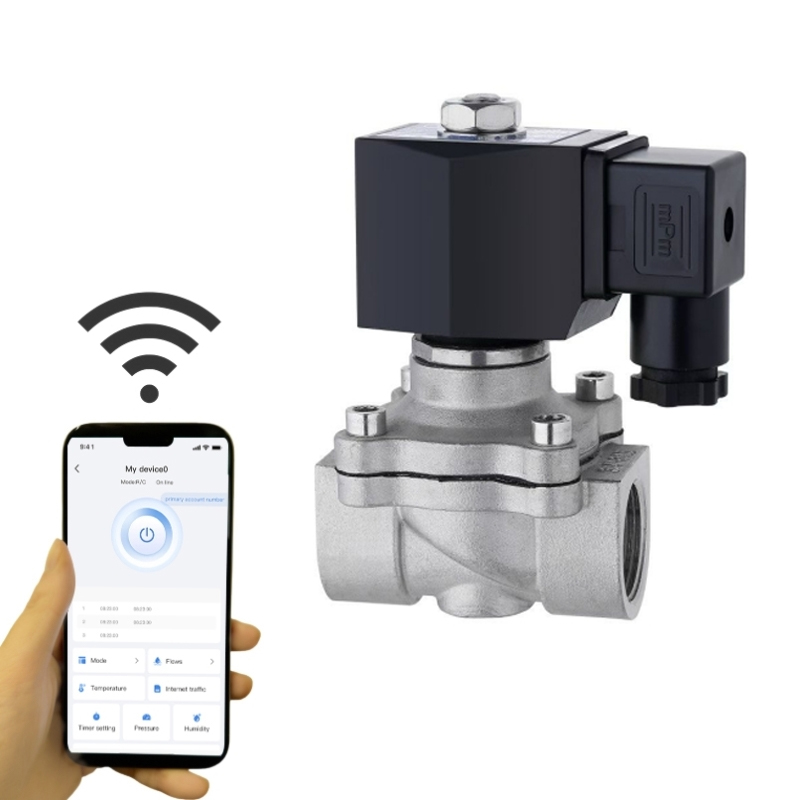
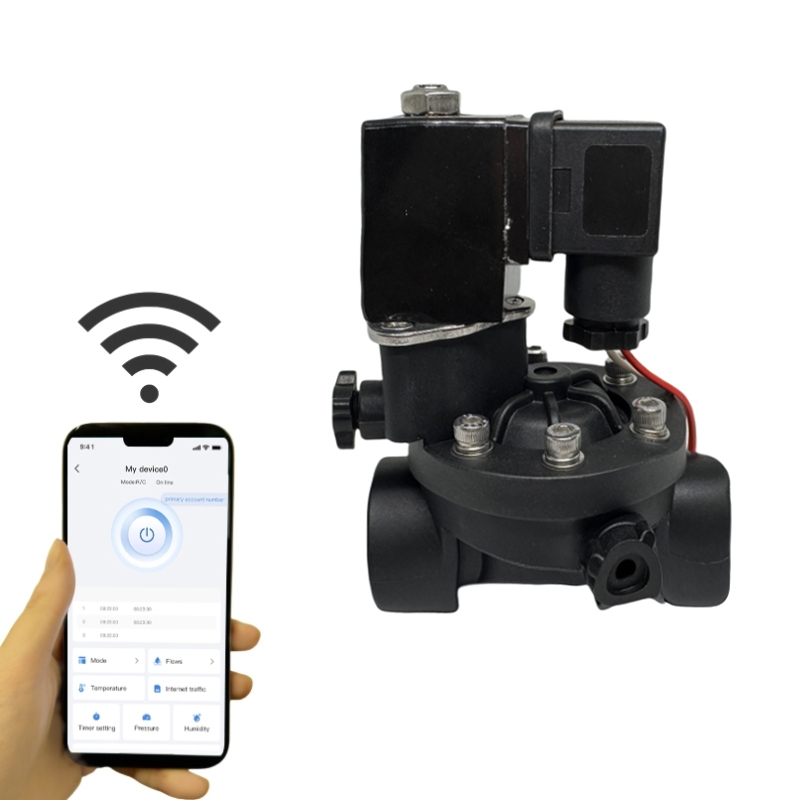
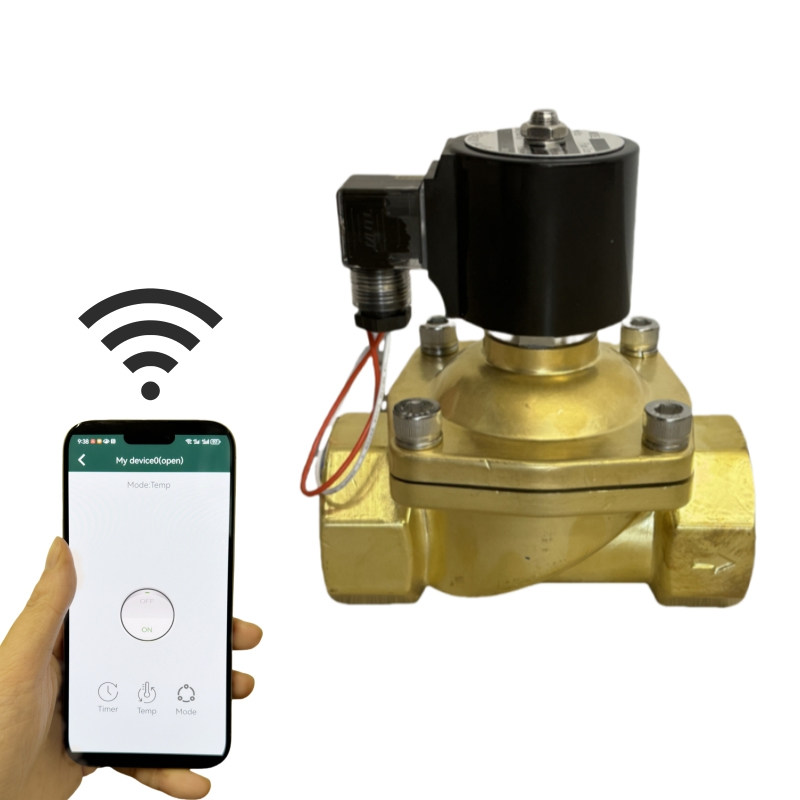
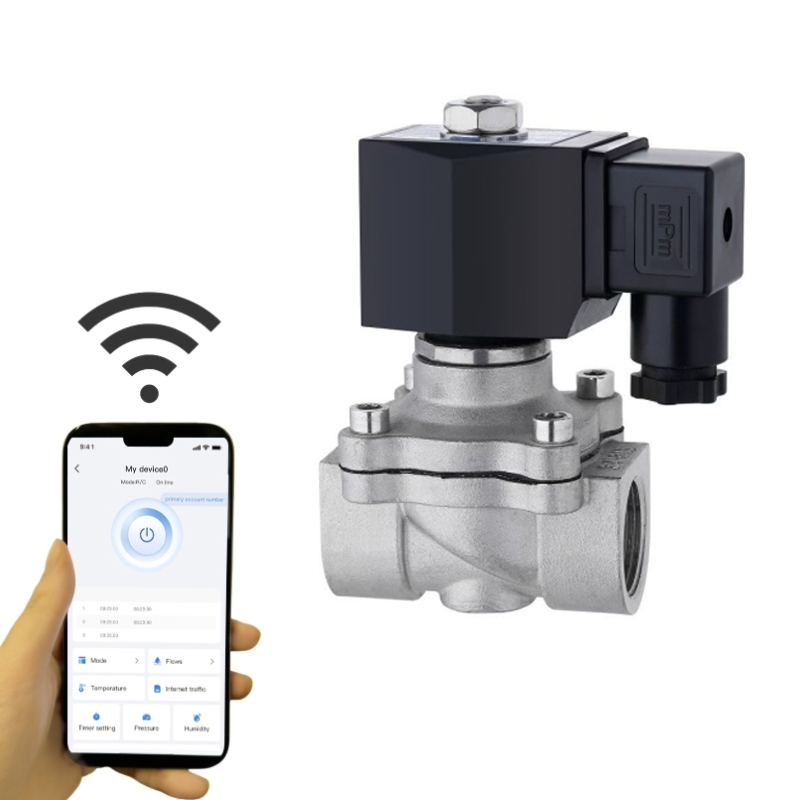
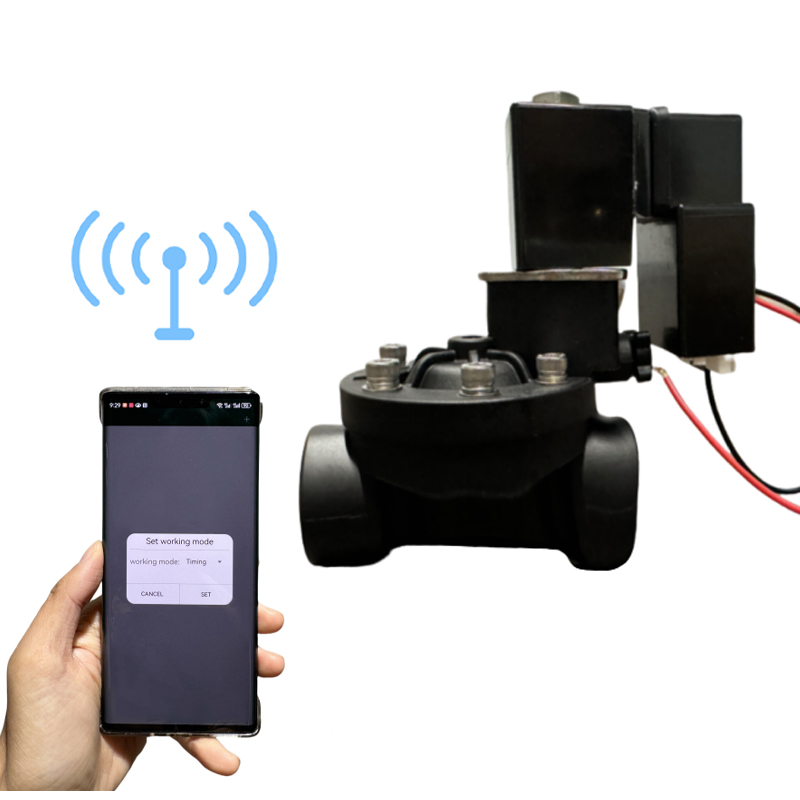
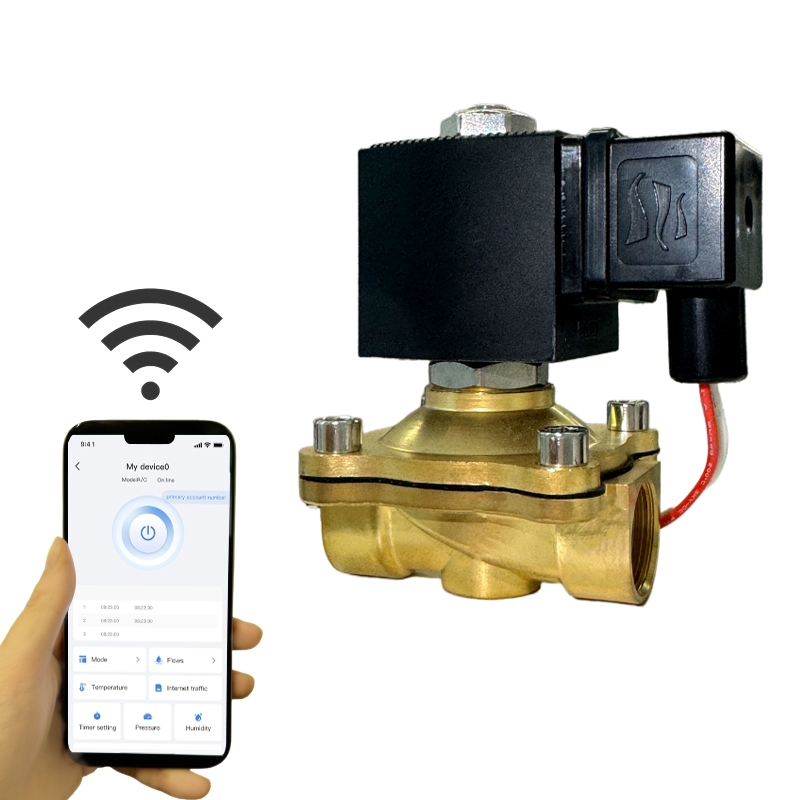
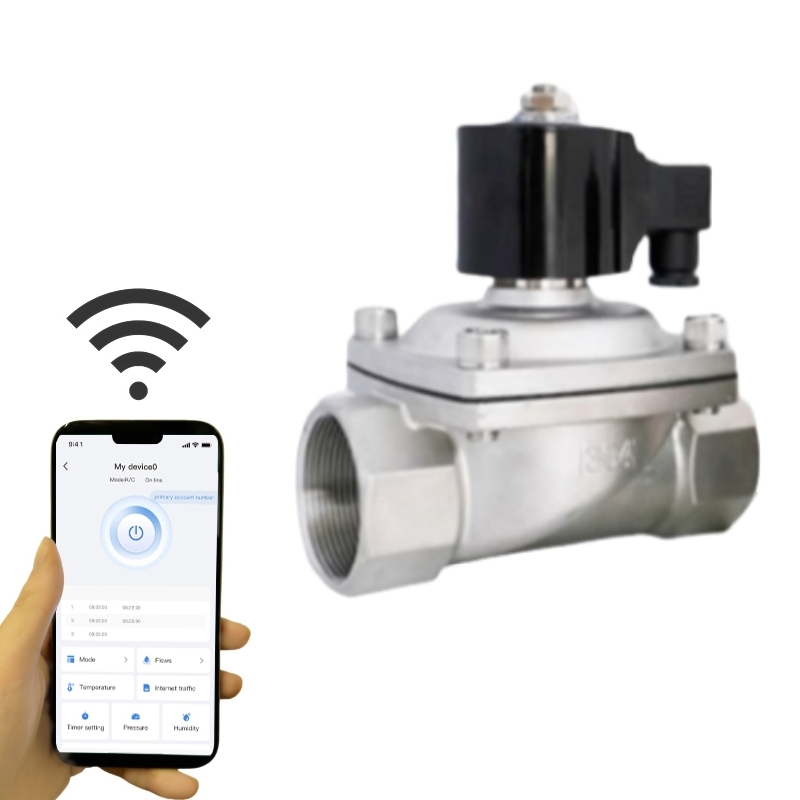
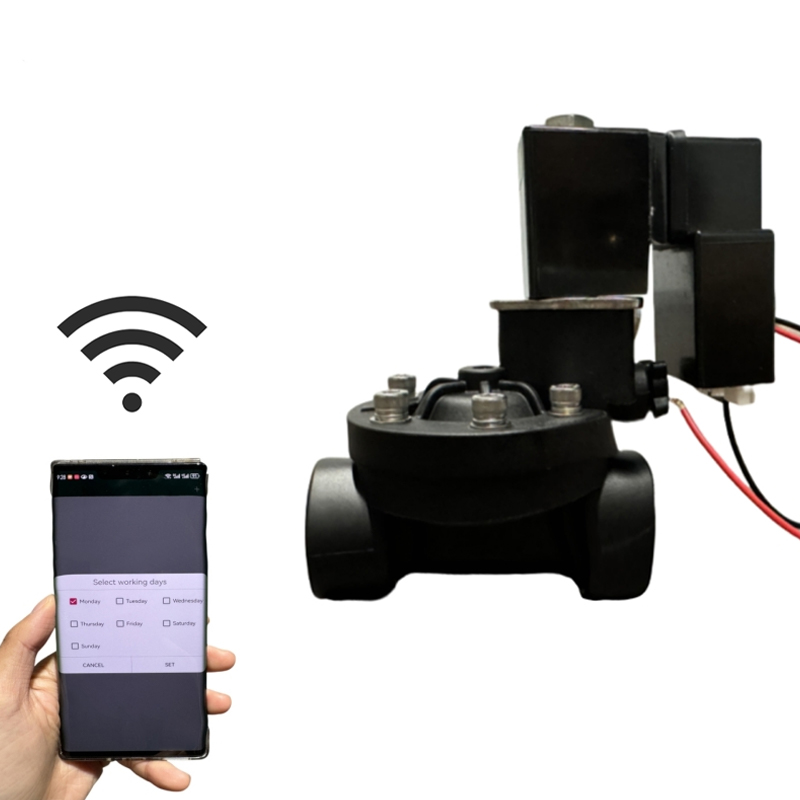
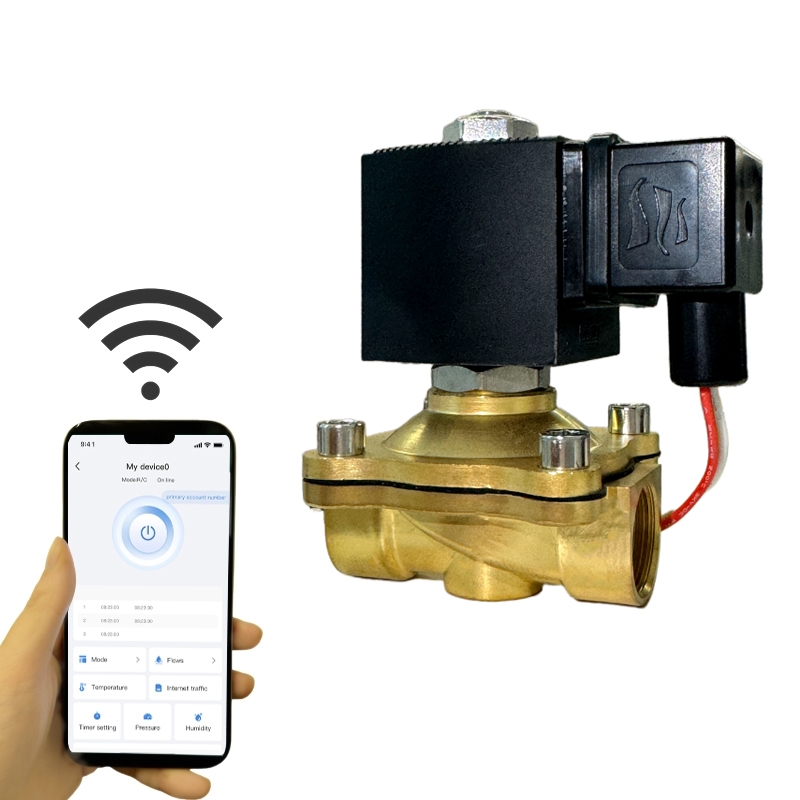
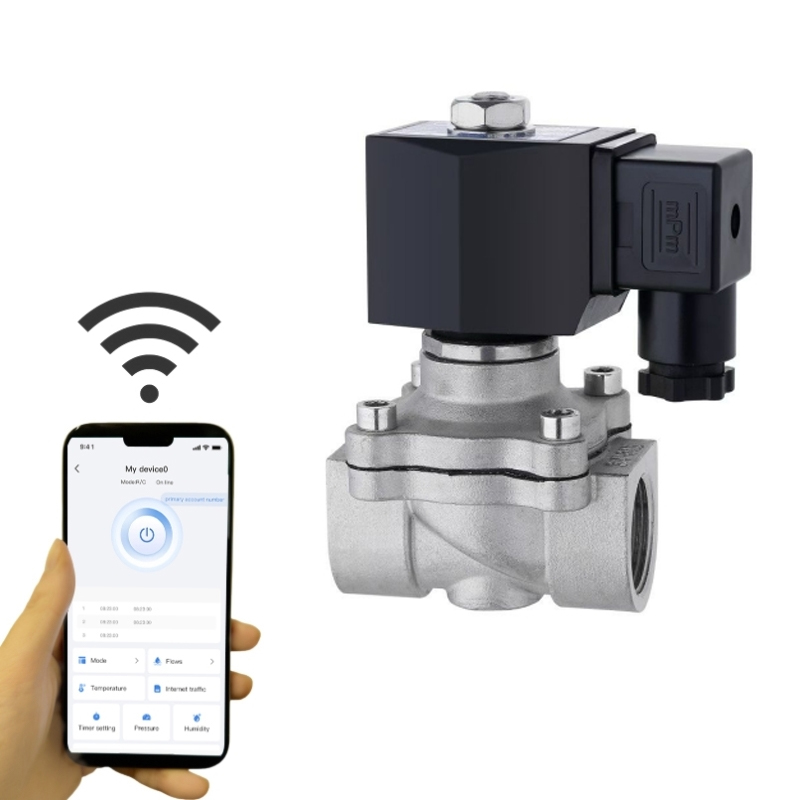
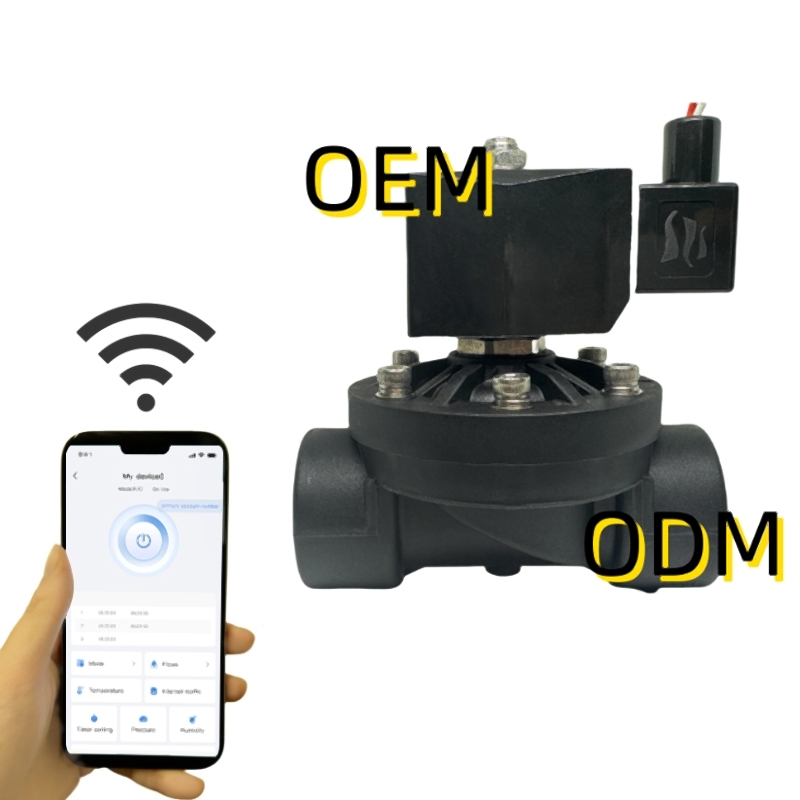
Latching operated solenoid valves are increasingly integrated with smart control systems, IoT devices, and remote monitoring platforms. Future applications may include predictive maintenance, energy optimization analytics, and automated system adjustments based on real-time data. Their energy efficiency and reliable performance make them ideal for expanding industrial automation and sustainable fluid management solutions.



Copyright © 2025 Alahot (zhejiang) Technology Co., Ltd.
All Rights Reserved.
OEM/ODM Electric Solenoid Valves Manufacture
