


 English
 Español
News
Home / News / Solenoid Valve Solutions / BMC Encapsulation Benefits for Zero-Power Latching Solenoid Valves
News
Content
Conventional solenoid valves require continuous power to stay open or closed. A zero-power integrated reset-type latching solenoid valve works on an entirely different principle: a brief pulse of current drives a permanent magnet into position, and the valve holds that state indefinitely with no further power input, until a reverse pulse resets it. Between actuations, the coil sits idle — sometimes for weeks or even months at a stretch, particularly in irrigation controllers, fountain systems, or remote battery-powered equipment.
That idle period is exactly where most solenoid valve failures begin. Moisture works its way in through tiny gaps, condensation forms inside the housing, and the coil's insulation and other electrical properties degrade slowly even with no current flowing. A compromised or damaged coil either fails to actuate cleanly or draws more current from the drive circuit than it was designed for. That's why the encapsulation material around the coil, and the sealing of the connector housing that links to it, matter just as much as how the latching valve reduces field power consumption — the two characteristics work together, not in isolation.
Many solenoid valve manufacturers have already adopted BMC encapsulation for the coil itself, but the DIN43650 connector housings that link to it are still almost universally made from standard, non-sealed plastic — a gap that matters even more in applications with specific safety requirements.
Bulk molding compound (BMC) is a thermoset composite made from polyester resin, short glass-fiber reinforcement, and mineral fillers, cured under heat and pressure into a rigid molded housing. Unlike thermoplastic housings that soften as temperature rises, BMC cross-links permanently during molding — once cured, it won't melt, warp, or creep under sustained load.
Three properties explain why coil manufacturers favor BMC in particular:
Because a latching valve may go weeks between pulses, its coil spends most of its service life sitting idle, exposed to ambient humidity, temperature swings, and — for outdoor installations — direct rain. A thin plastic housing offers some protection, but once thermal cycling starts to stress the enclosure, seams and pinholes become common failure points.
BMC encapsulation isn't a two-piece housing bolted together — it forms a continuous molded barrier around the winding and terminals, eliminating the seams where moisture most often gets in. Coils built this way typically reach an IP64 or IP65 rating on their own, and with additional potting at the lead exit they can reach IP67 or even IP68 — a real advantage for valves used in fountains, irrigation sprinklers, or submerged equipment. For a reset-type valve that may go long stretches without a new pulse, that continuous seal is what keeps the winding dry enough to actuate cleanly on the first try instead of the third. Which applications benefit most from this is covered in our overview of the full range of latching and pulse solenoid valves built for exposed environments.
PA66, PBT, and PPS are all common thermoplastic choices for solenoid valve bobbins, and each has its place. But narrow the comparison to sustained outdoor exposure and repeated pulse actuation, and BMC's advantages as a thermoset material become more apparent.
| Property | BMC (Thermoset) | PA66 / PBT / PPS (Thermoplastic) |
|---|---|---|
| Continuous temperature rating | Up to 150°C, some grades to 200°C | Generally lower; softens under sustained heat |
| Dimensional stability under thermal cycling | High; low shrinkage after curing | Can deform under repeated thermal stress |
| Moisture sealing at seams | Molded as one continuous housing | Depends on housing assembly; higher seam risk |
| Recyclability | Limited (thermoset structure) | Generally higher |
For a valve that spends most of its time outdoors and unpowered, the trade-offs favor BMC: its resistance to thermal cycling and moisture ingress directly extends the interval between coil replacements. Common failure modes tied to coil degradation are documented in our guide to troubleshooting and failure points in latching valves.
A reset-type latching valve depends on a stable, predictable magnetic field every time it receives a pulse. If the coil winding absorbs even a trace of moisture, resistance shifts slightly, and the pulse energy needed to fully reset the permanent magnet changes along with it. Over enough cycles, that drift can mean weaker actuation force, incomplete reset, or a valve that needs a second pulse to respond.
BMC encapsulation keeps the winding in a stable, sealed environment year after year, minimizing that drift. A coil that actuates today performs much like it did on day one — and that matters more for latching valves than for continuously energized ones, since there's no ongoing current to mask a coil that's gradually weakening. Encapsulation quality translates directly into long-term operating reliability.
When specifying a zero-power integrated reset-type latching solenoid valve, the encapsulation material deserves the same attention as pressure rating or port size. Check the IP rating marked on the coil, confirm the housing material, and ask whether the enclosure is BMC or a thermoplastic equivalent — especially when the application involves outdoor exposure, submersion, or long intervals between pulses.
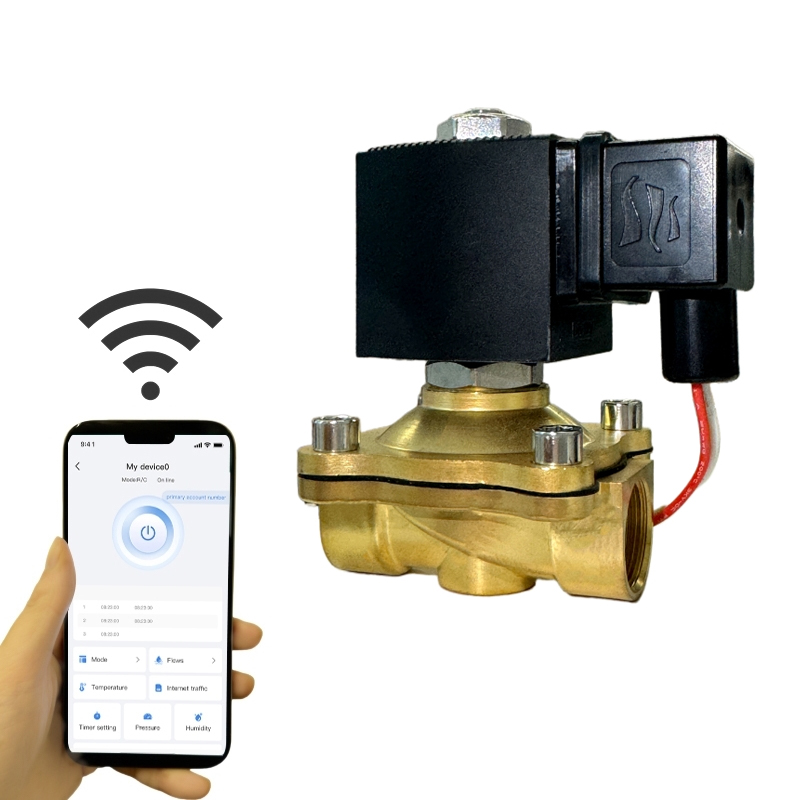
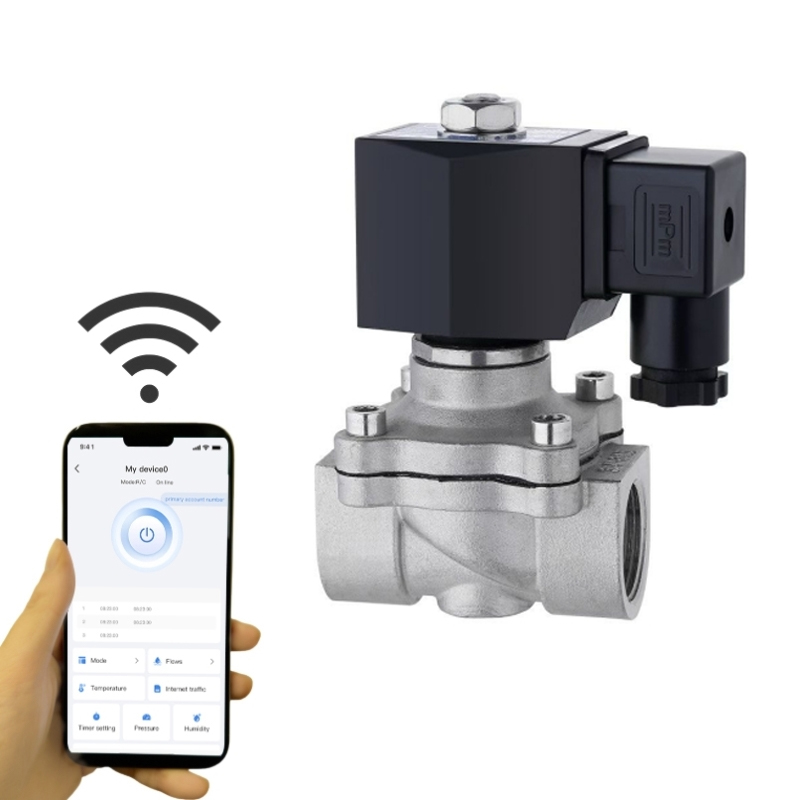
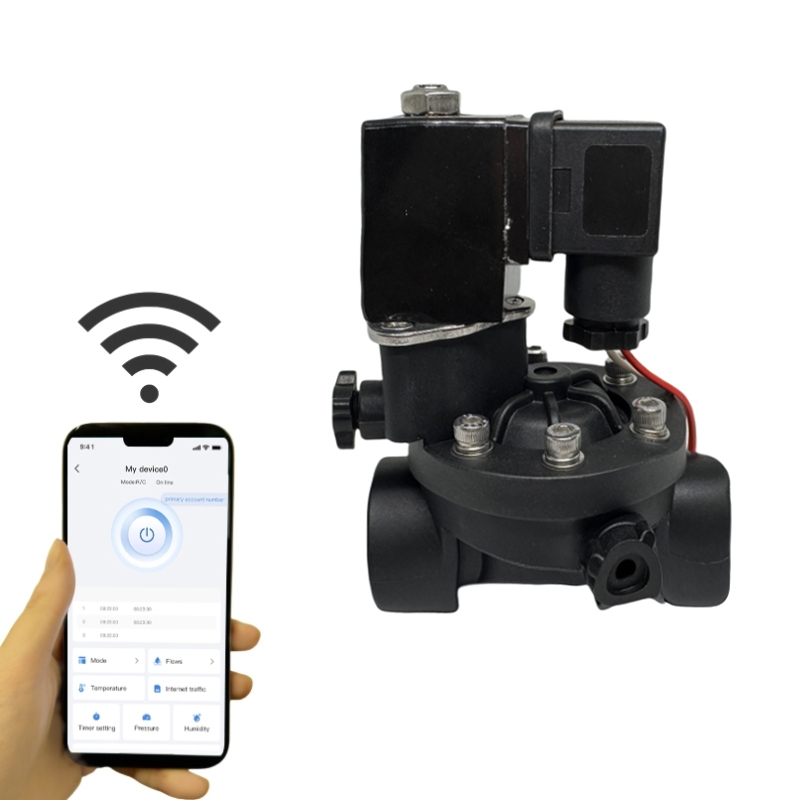
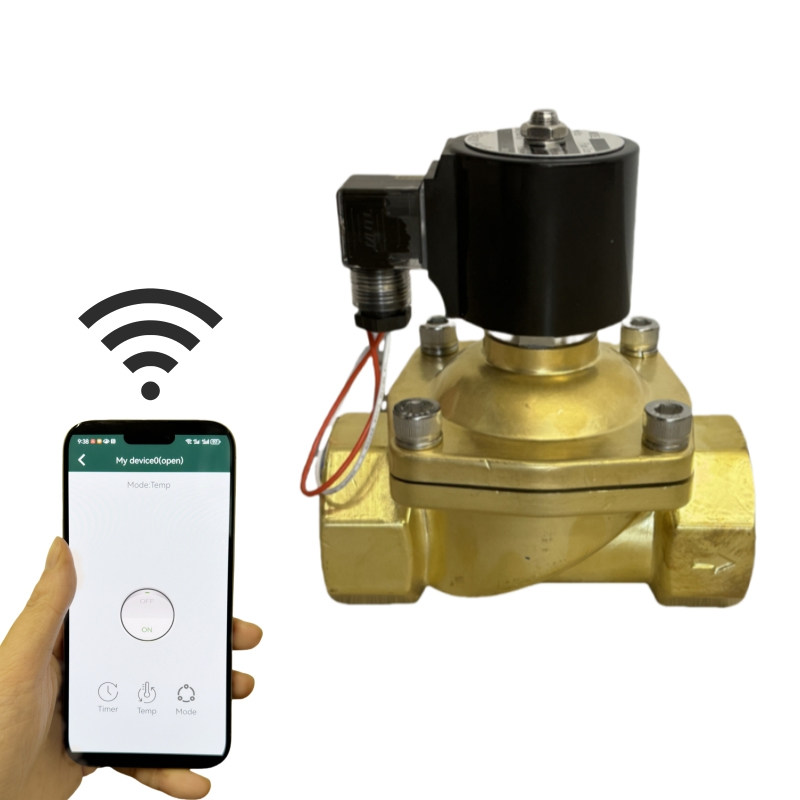
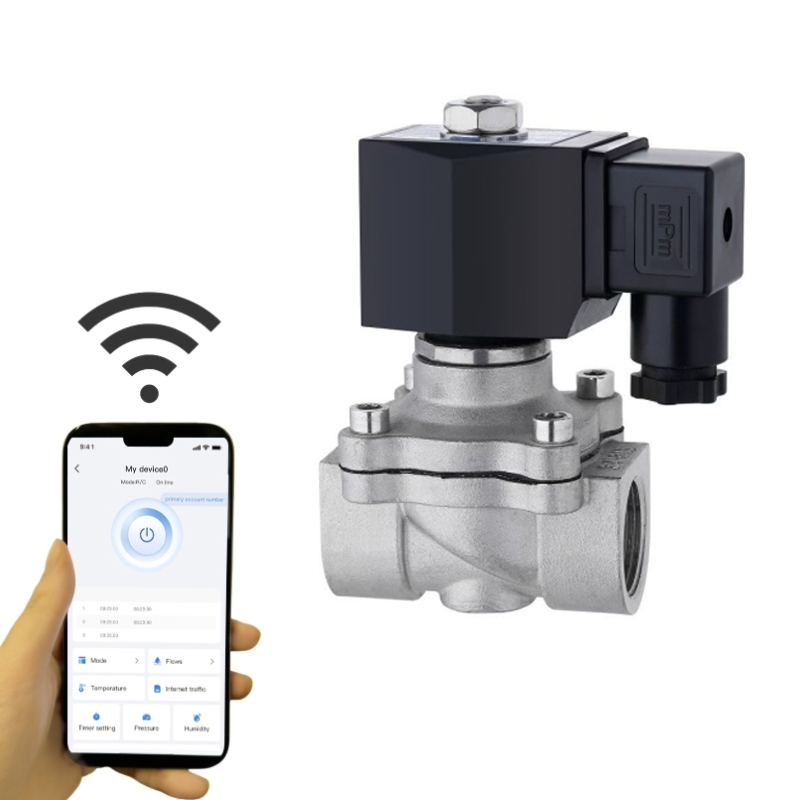
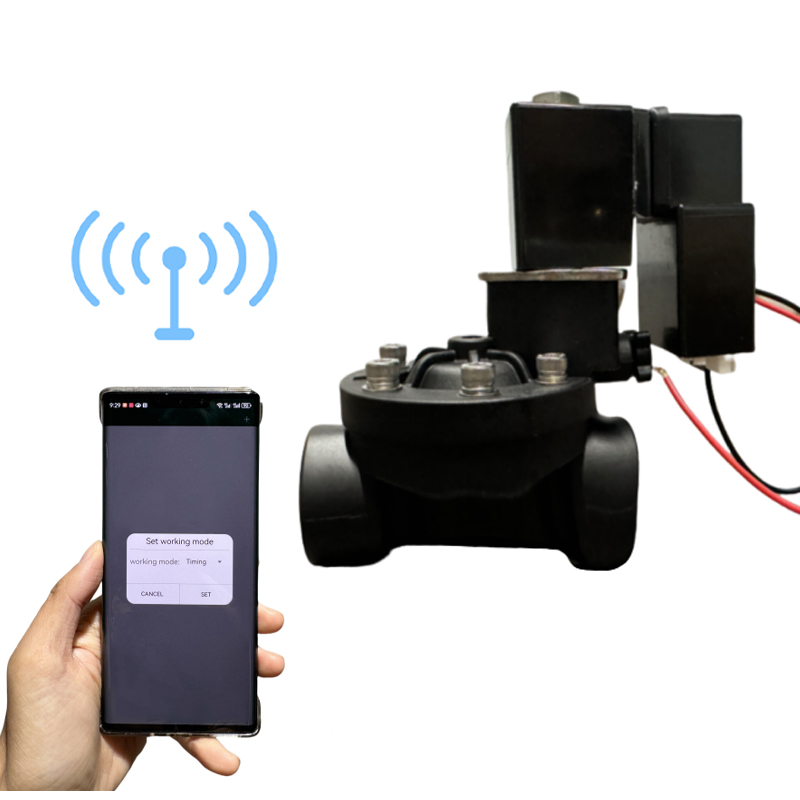
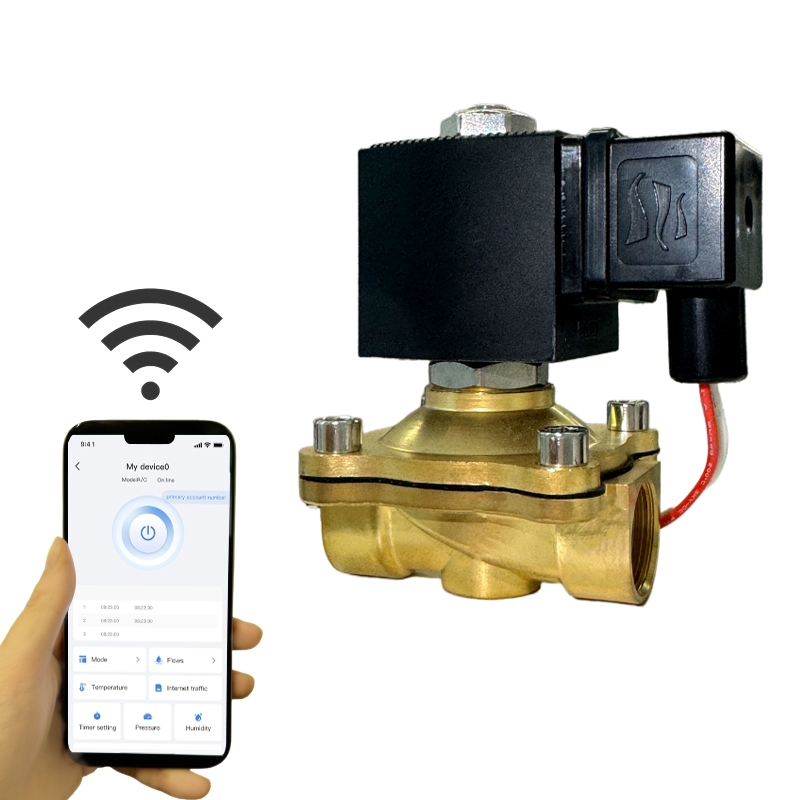
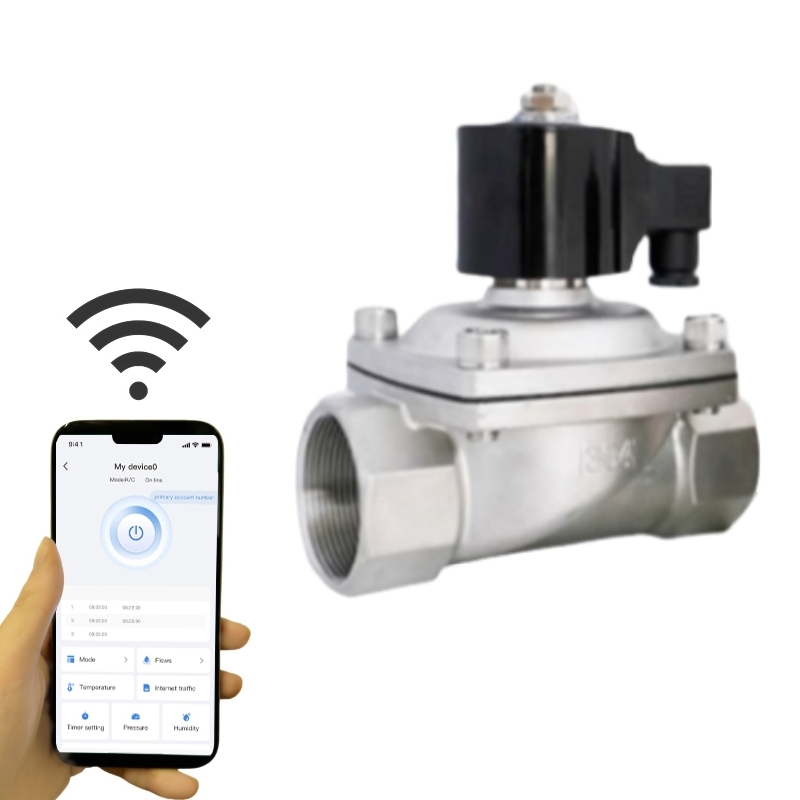
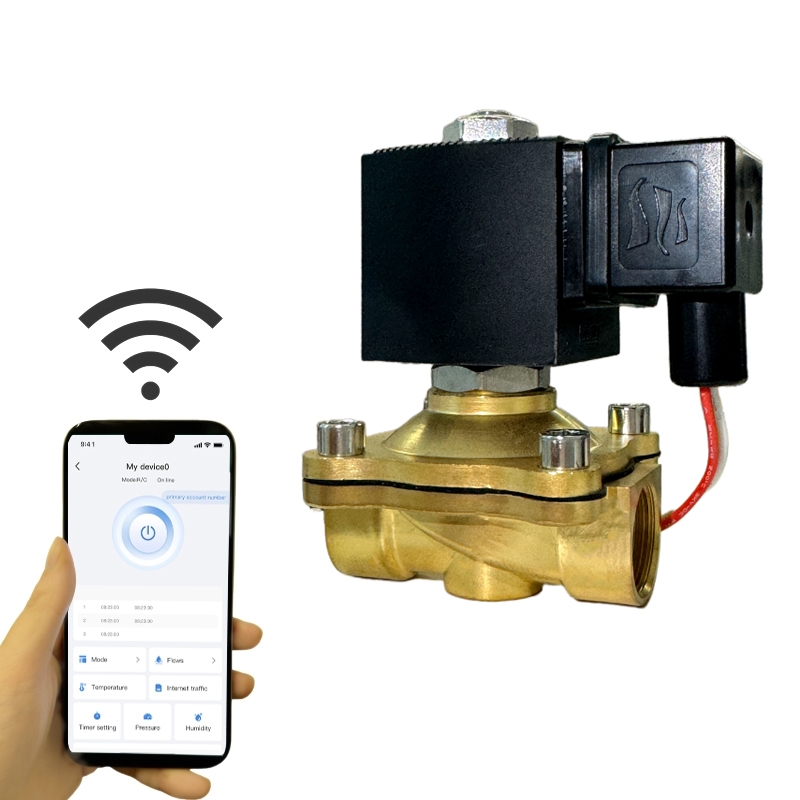
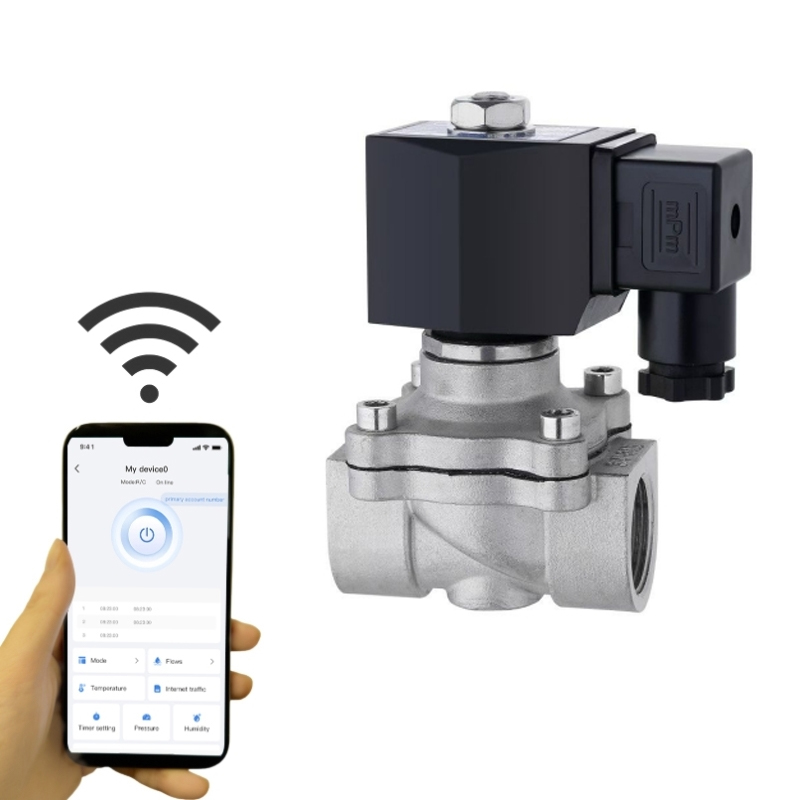
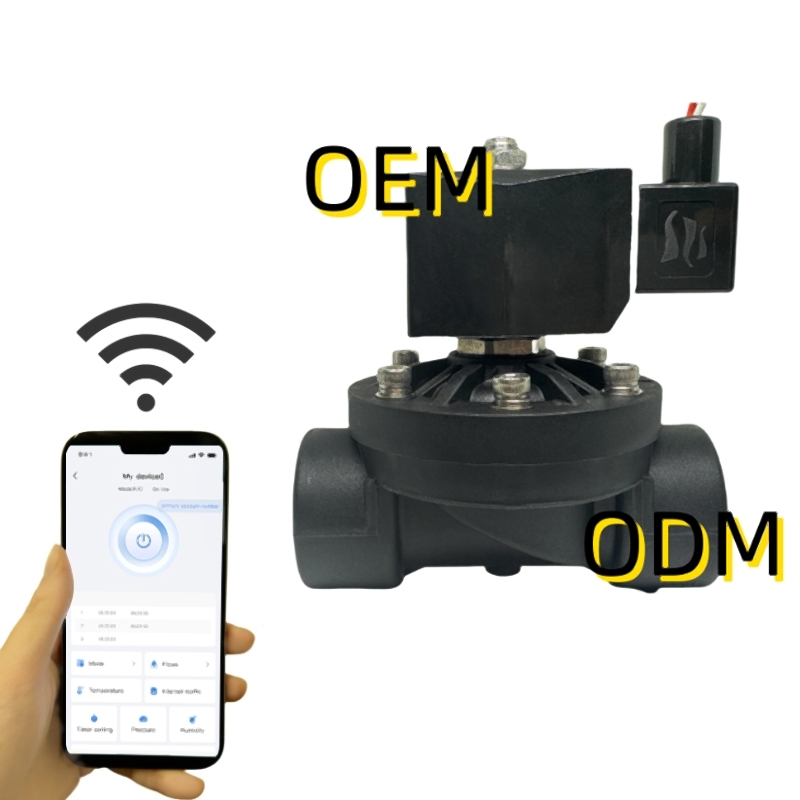
Material choice should also match the valve body and application. Brass pulse solenoid valves designed for repeated field cycling and stainless steel pulse solenoid valves built for corrosive environments, for instance, are typically paired with BMC-encapsulated coils for exactly this reason, while plastic latching solenoid valves for light-duty installations suit less demanding indoor settings. For more on matching valve body material, coil encapsulation, and actuation type to the application, see our further notes on design and application considerations for latching-action valves.



Copyright © 2025 Alahot (zhejiang) Technology Co., Ltd.
All Rights Reserved.
OEM/ODM Electric Solenoid Valves Manufacture
