News

Home / News / Solenoid Valve Solutions / Single-Stable vs. Bistable Pulse Solenoid Valve: Which One Should Engineers Choose?
Solenoid Valve Solutions

Single-Stable vs. Bistable Pulse Solenoid Valve: Which One Should Engineers Choose?

When selecting a solenoid valve for a new design or a retrofit project, engineers usually end up comparing two mainstream technologies: the single-stable (monostable) solenoid valve and the bistable pulse (latching) solenoid valve. Both have been industry standards for decades, but both also carry well-known trade-offs that can create real headaches during system integration. This article breaks down the differences, and introduces a third option that is quickly becoming the preferred choice for power-sensitive, standard-wiring applications.

1. How Single-Stable Solenoid Valves Work

A single-stable solenoid valve stays open (or closed) only while power is continuously applied to the coil. The moment power is removed, an internal spring returns the valve to its default position.

Advantages:

  • Simple, standard wiring — compatible with almost any control system
  • Predictable fail-safe behavior (returns to default state on power loss)
  • Widely available, well understood by engineers

Drawbacks:

  • Continuous holding current means the coil stays energized for as long as the valve is open, which leads to constant heat generation
  • High long-term power consumption, especially in systems that must stay open for extended periods
  • Heat buildup accelerates coil aging and shortens service life
  • Not suitable for battery-powered or ultra-low-power IoT devices

2. How Bistable (Pulse) Latching Solenoid Valves Work

A bistable solenoid valve uses a magnetic latching mechanism. A short current pulse switches the valve to one state, and the valve stays there — with no holding power required — until an opposite pulse switches it back.

Advantages:

  • Extremely low holding power once the valve is latched (ideal for energy savings)
  • No continuous heat generation during the holding phase

Drawbacks:

  • Requires a dedicated pulse control signal and pulse generator/driver circuit — not compatible with standard continuous-voltage control systems
  • Wiring and commissioning are more complex, increasing integration time and cost
  • Susceptible to mis-triggering or missed pulses, which can cause unintended state changes
  • Critically, if the valve is latched open and the system loses power unexpectedly, it stays open — there is no automatic reset. In safety-critical applications (gas lines, water systems, pneumatic actuators) this can be a serious risk.

3. Side-by-Side Comparison

Feature Single-Stable Solenoid Valve Bistable Pulse Solenoid Valve Zero-Power Integrated Reset-Type Latching Solenoid Valve
Control signal Standard continuous voltage Dedicated pulse controller required Standard continuous voltage (drop-in compatible)
Holding power High (continuous) Near zero DC < 0.05W / AC < 0.1W
Heat generation Significant None None
Wiring complexity Low High Low
Behavior on power loss Returns to default (spring reset) Stays in last state (no reset) Auto-resets to default position
Best fit Simple systems, low duty cycle Energy-critical but non-safety-critical systems Energy-critical and safety-critical systems, standard-control retrofits

4. The Gap Both Technologies Leave Behind

Put simply:

  • Single-stable valves are easy to wire but wasteful and prone to overheating.
  • Bistable pulse valves are efficient but demand special control electronics and cannot fail safely on power loss.

For engineers designing 24V industrial control systems, battery-powered IoT devices, or gas/water safety equipment, neither option is fully satisfactory. This is exactly the gap that a Zero-Power Integrated Reset-Type Latching Solenoid Valve is designed to close.

5. A Third Option: Reset-Type Latching Technology

The Zero-Power Integrated Reset-Type Latching Solenoid Valve combines the strengths of both technologies while eliminating their core weaknesses:

  • Standard wiring, no pulse controller needed — it operates on the same single-mode logic as a conventional solenoid valve, so it can be installed as a direct replacement without redesigning the control circuit.
  • Ultra-low holding power — DC models consume less than 0.05W and AC models less than 0.1W while latched, cutting overall energy consumption by more than 90% compared to traditional single-stable valves.
  • Zero heat generation — because there is no continuous holding current, coil temperature stays stable throughout operation, extending service life.
  • Automatic reset after full power loss — unlike a bistable pulse valve, the reset-type design returns to its default position the moment power is completely cut, restoring the fail-safe behavior that safety-critical systems require.
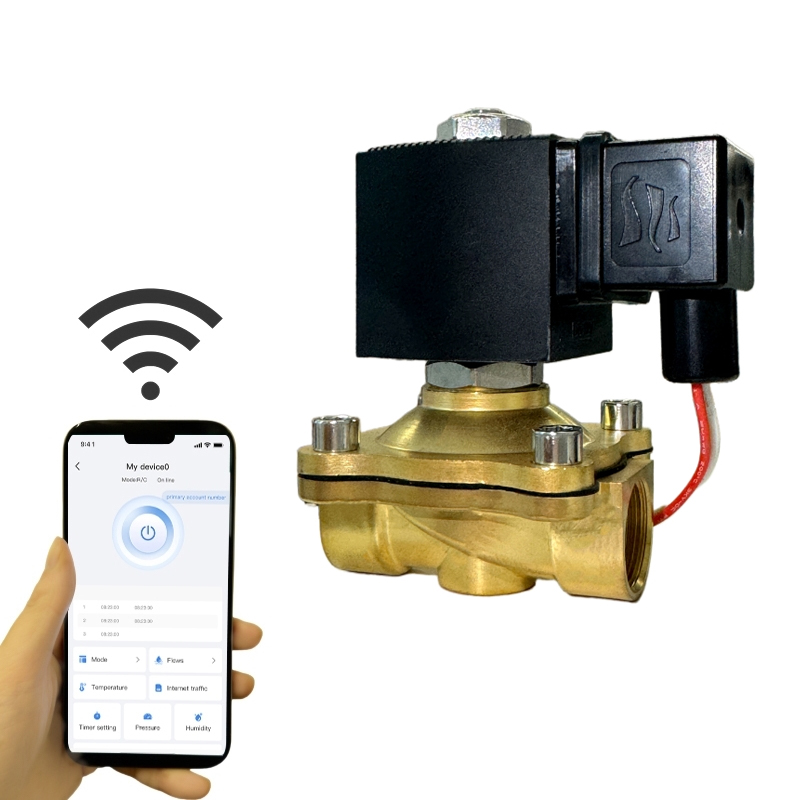
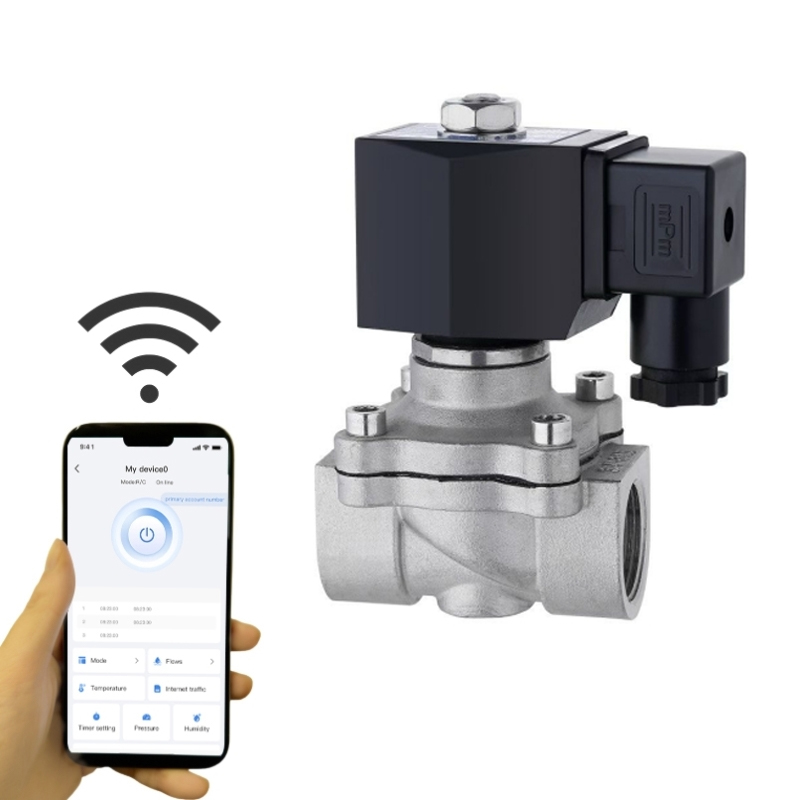
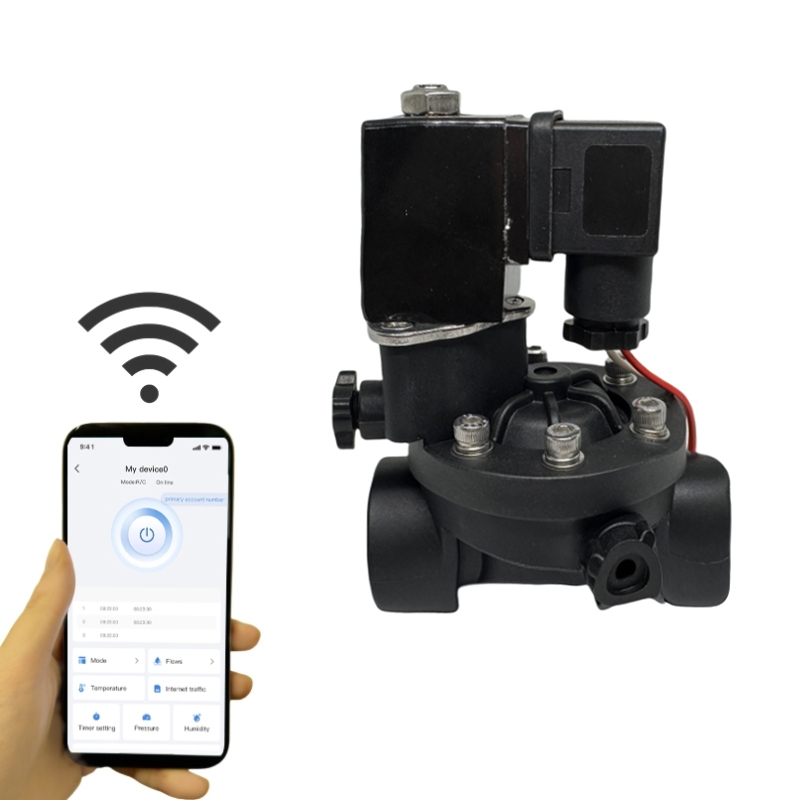
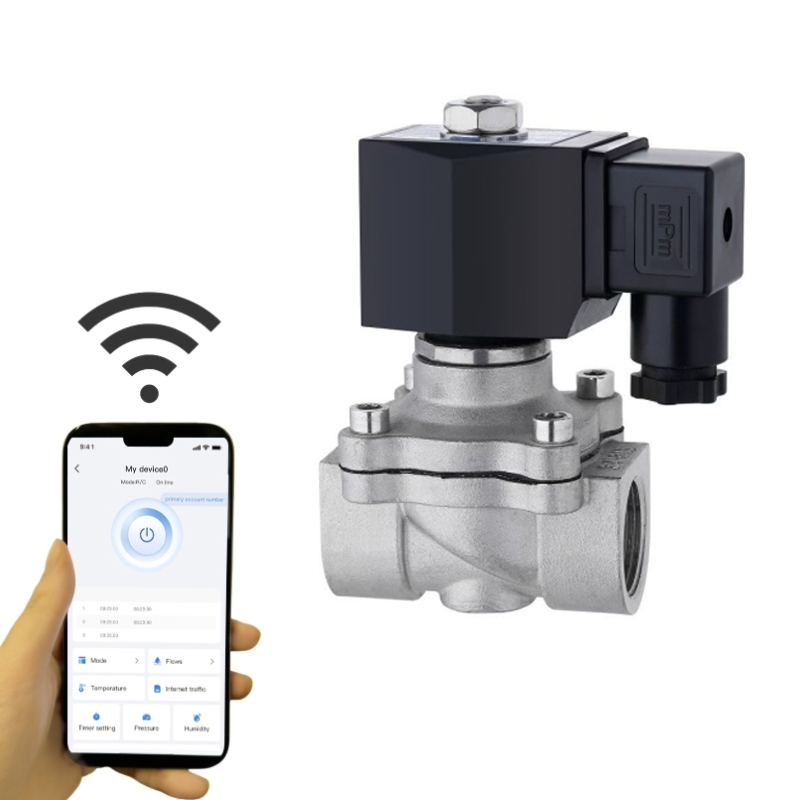
  • Integrated driver, BMC-encapsulated, DIN43650 standard interface — plug-and-play with no external driver hardware.

In short, it behaves like a familiar single-stable valve at the wiring level, performs like a bistable valve in terms of energy efficiency, and adds a safety feature that neither traditional technology offers on its own.
6. Which Should You Choose?

  • Choose a single-stable valve only for low-duty-cycle applications where energy consumption and heat are not a concern.
  • Choose a bistable pulse valve only if your system already has a pulse controller in place and power loss safety is not a requirement.
  • Choose a Zero-Power Integrated Reset-Type Latching Solenoid Valve if you need standard-wiring compatibility, significant energy savings, no heat buildup, and reliable auto-reset behavior on power loss — whether you're retrofitting an existing 24V control system, designing a battery-powered IoT device, or building safety-critical gas, water, or building automation equipment.