


 English
 Español
News
Solenoid Valve Solutions
What Is a Zero-Power Pulse Solenoid Valve?
Many engineers come across a term during product selection — the “Zero-Power Solenoid Valve,” formally known as the Zero-Power Integrated Reset-Type Latching Solenoid Valve. What exactly is it, and how does it differ from common solenoid valves?
Starting with Traditional Solenoid Valves
• Traditional monostable solenoid valves: These rely on continuous power to hold the valve open or closed. Long-term energization means ongoing power consumption, heat buildup, and reduced service life. However, they are very simple to apply.
• Conventional bistable (latching) solenoid valves: These switch states via a short pulse and consume no power while holding a state, making them highly energy-efficient. However, they require a dedicated pulse controller, which itself must remain powered at all times. Wiring and commissioning are also relatively complex, and there is a risk of mis-operation. Deployment requires specialized supporting equipment and expertise.
The Approach Behind Zero-Power Integrated Reset-Type Latching Solenoid Valves
This type of product combines the advantages of both:
• Standard universal wiring: Can be wired and used directly as a conventional monostable valve, with no need for an additional pulse controller.
• Zero power while latched: Once energized to latch, the valve enters a holding phase with extremely low power draw (DC < 0.05W, AC < 0.06W), generating no heat throughout, and delivering overall energy savings of more than 90%.
• Automatic reset on power loss: When the device is fully de-energized, the valve automatically resets, solving the long-standing industry problem of conventional latching valves being unable to reset without power.
• Built-in integrated drive: Features a BMC one-piece housing and a standard DIN43650 interface, making it plug-and-play with no need for additional drive accessories.
Suitable Applications
Because it is compatible with conventional monostable wiring and application logic, while also offering the ultra-low power advantage of bistable valves, this type of solenoid valve is especially well suited to:
• Industrial control applications requiring continuous power, where energy-saving retrofits are a priority;
• Battery-powered, low-voltage IoT devices where battery life is critical;
• Gas systems, building automation, fire protection, agricultural irrigation, and other scenarios with high requirements for stability and safety.
In short, the Zero-Power Integrated Reset-Type Latching Solenoid Valve is a solution that lets engineers keep their existing wiring and avoid adding a pulse controller, while still gaining both “ultra-low power consumption” and “automatic reset on power loss” in one device.
Our Main Products
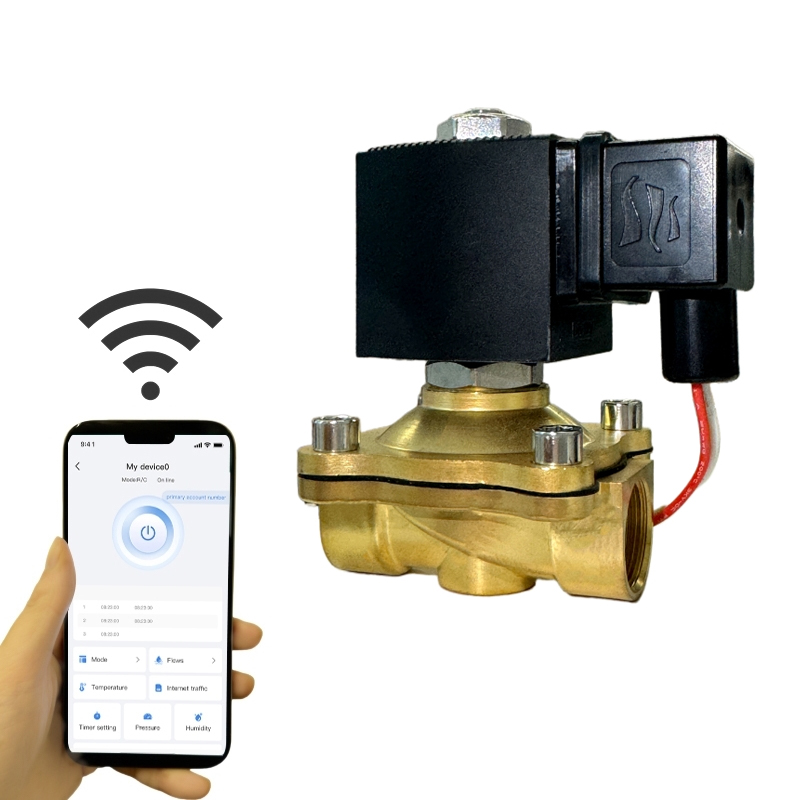
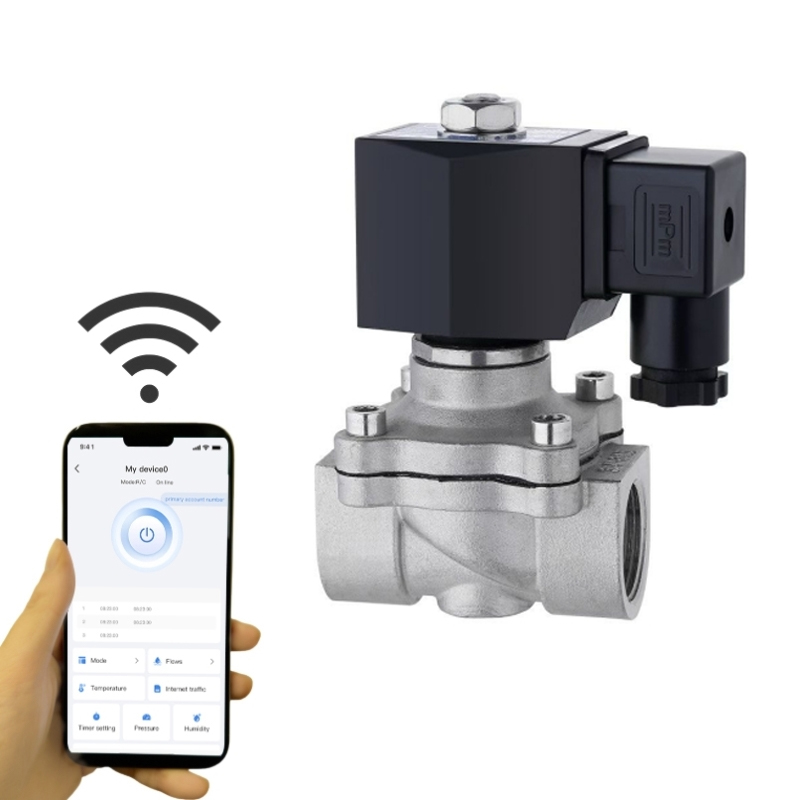
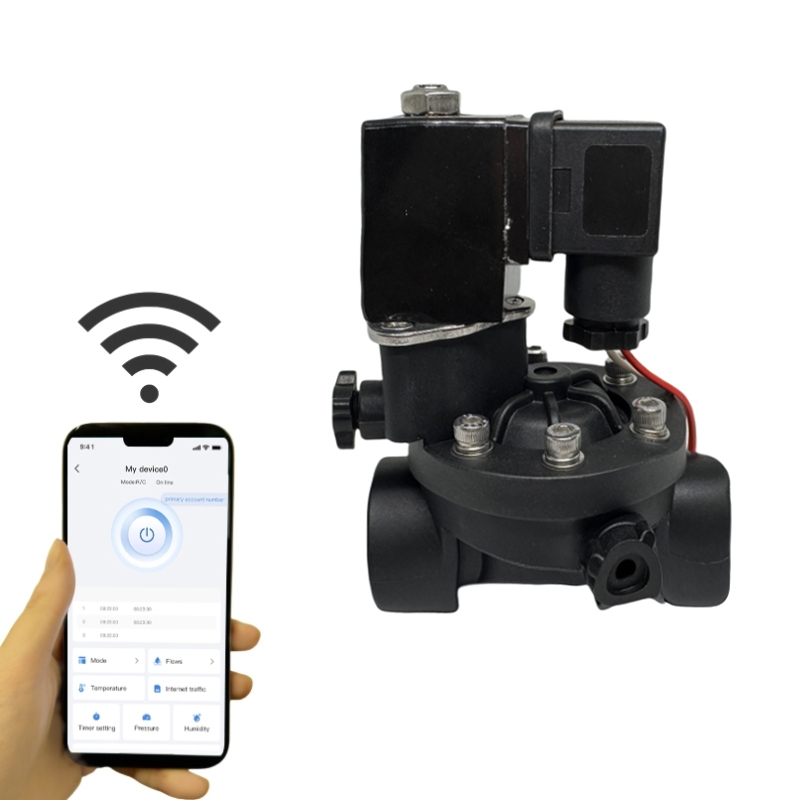
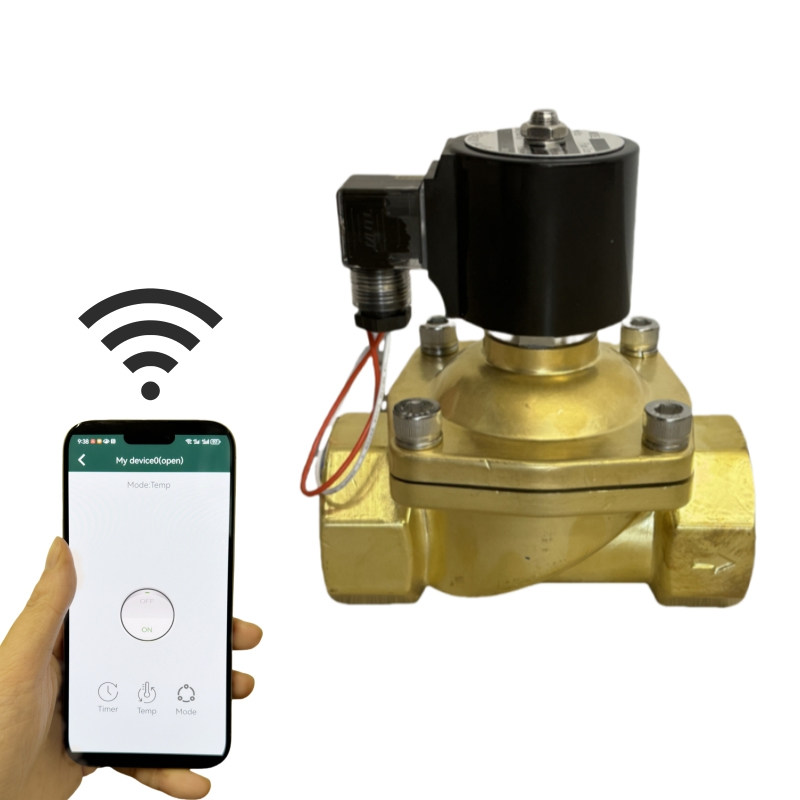
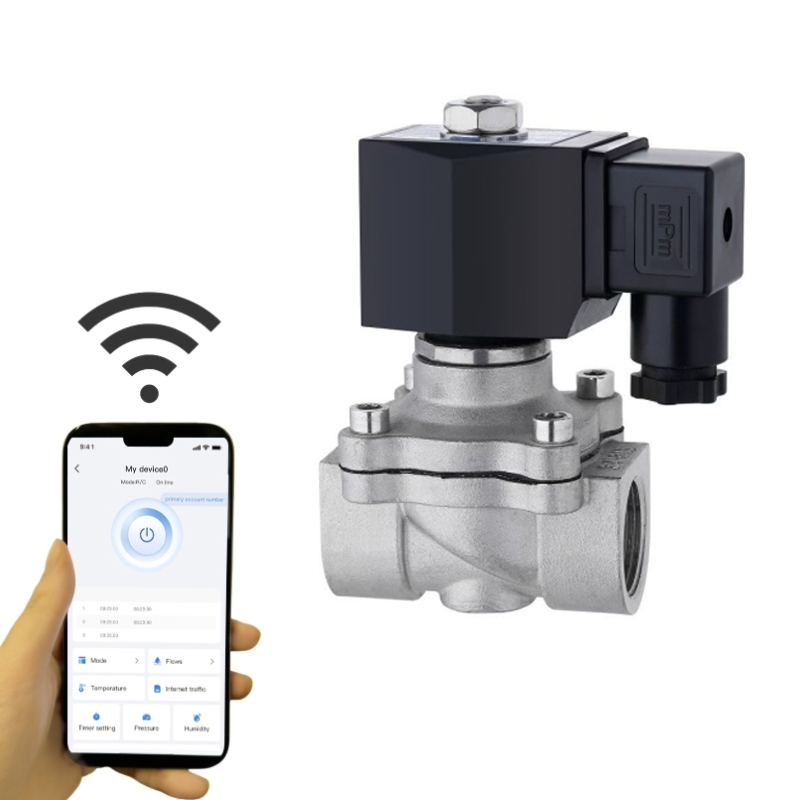
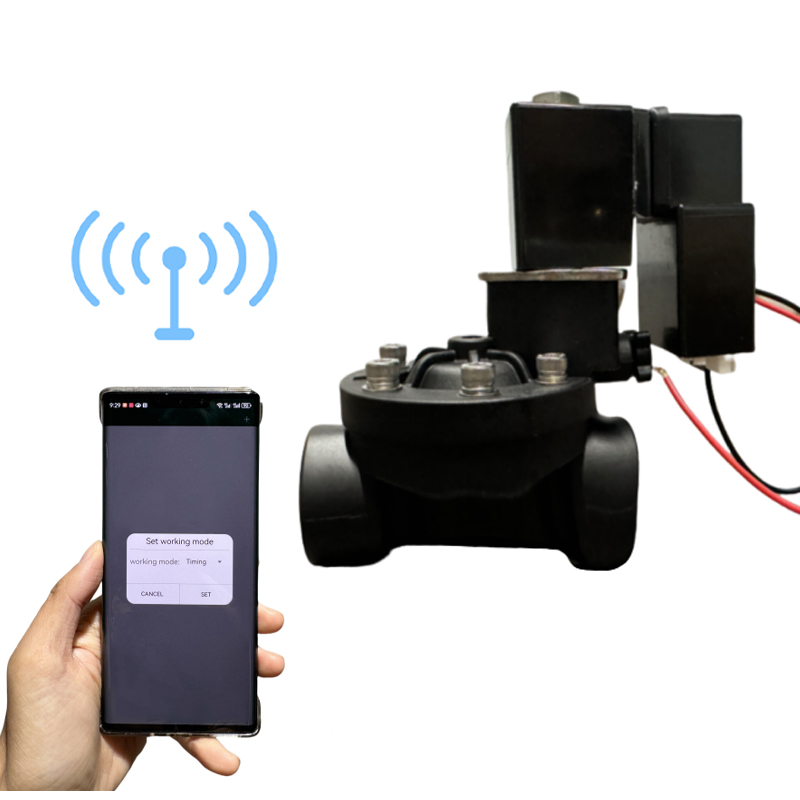
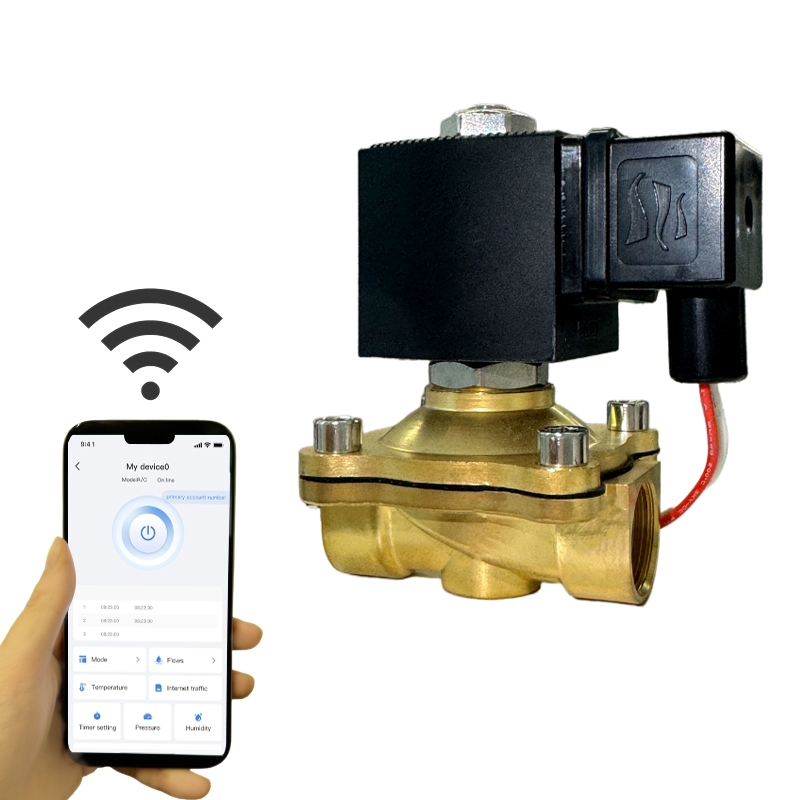
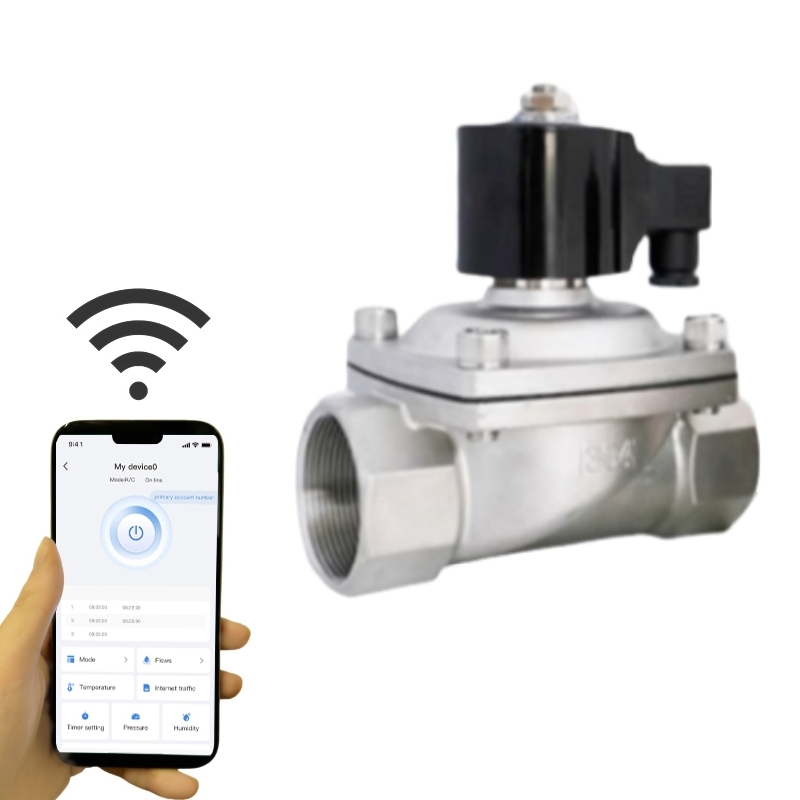
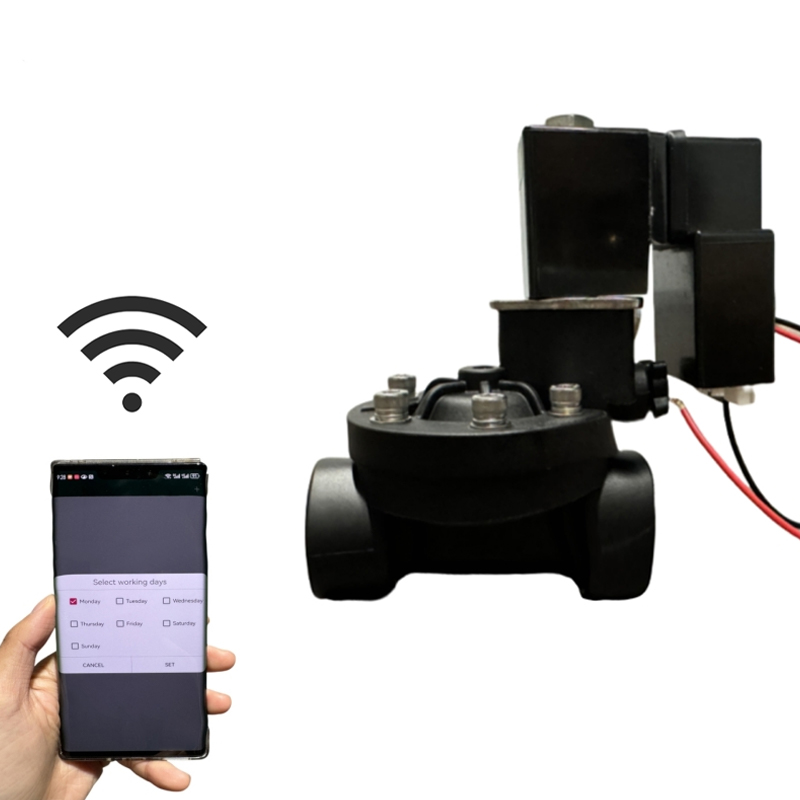
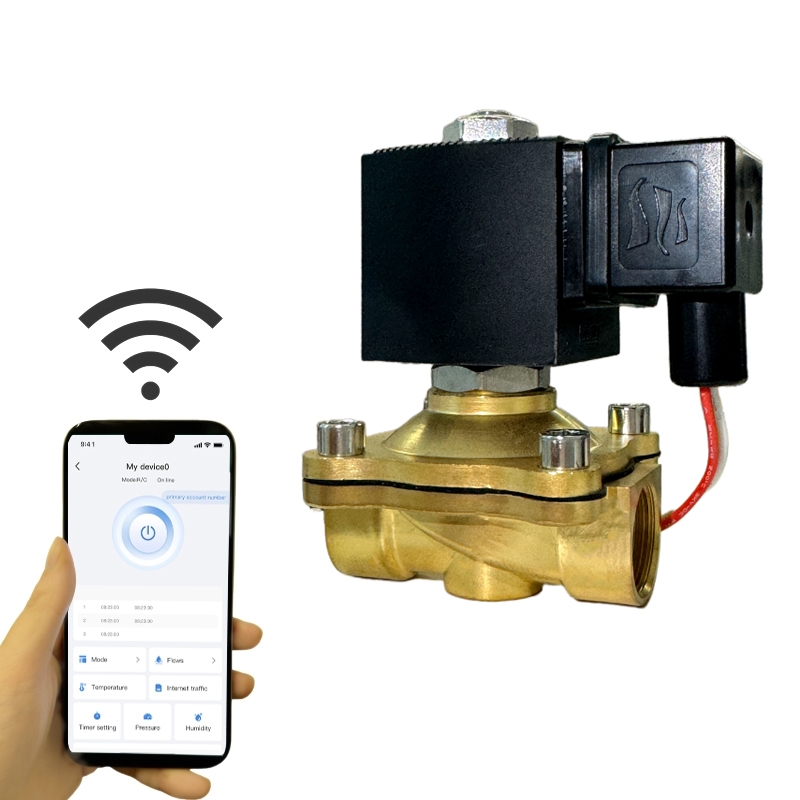
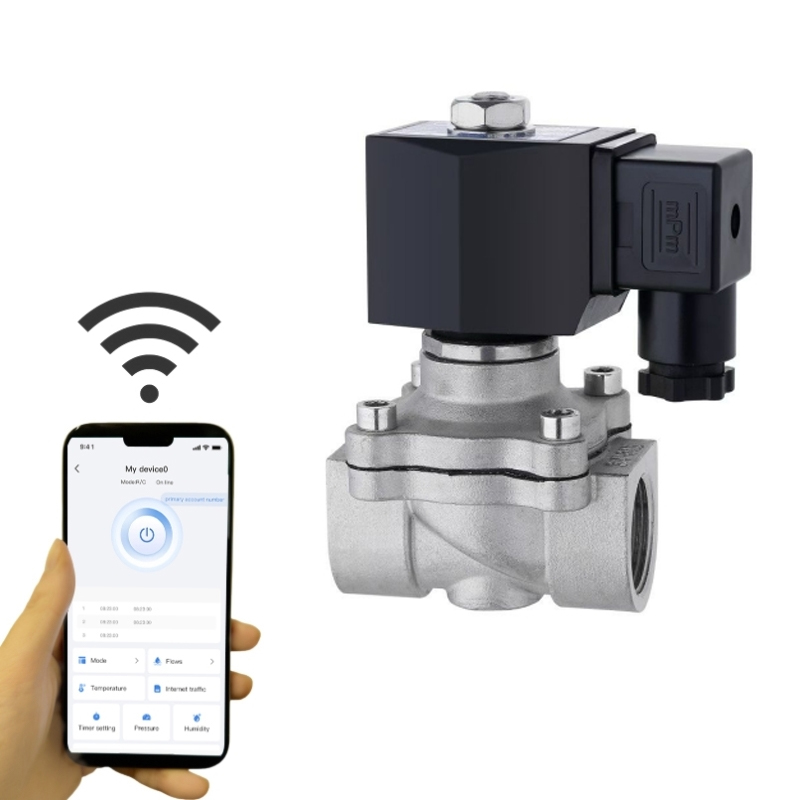
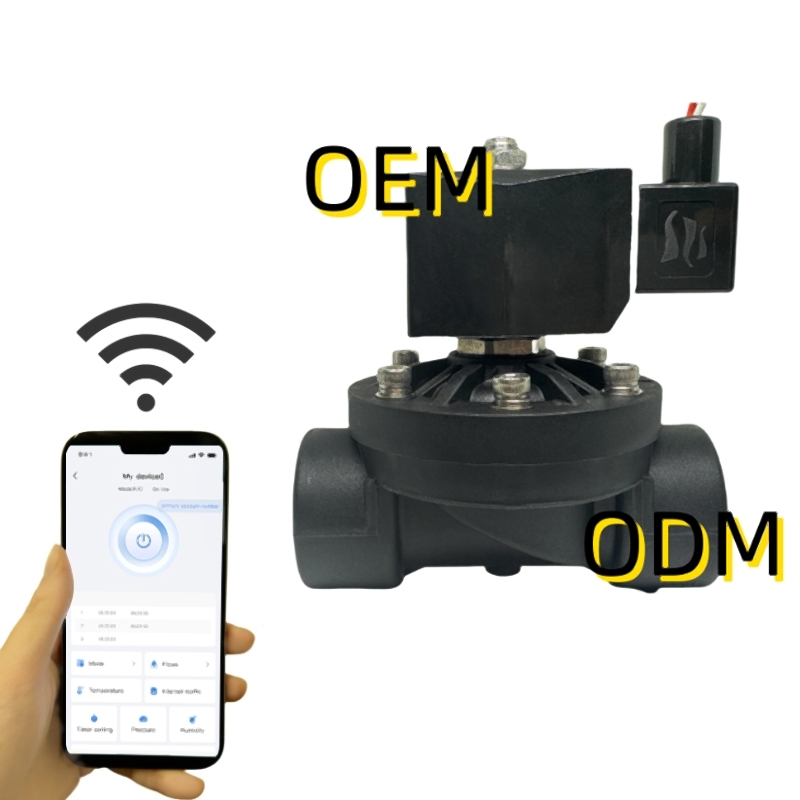

Alahot is Water Solenoid Valves Manufacturer and Factory in China. Follow our social media postings for the latest news and exhibitions.
Discover
Contact
-
 3/F, No.72 Desheng Lane, Gongshu District, Hangzhou, Zhejiang, China
 -

-
 +86-18768178590
Newsletter
Copyright © 2025 Alahot (zhejiang) Technology Co., Ltd.
All Rights Reserved.
OEM/ODM Electric Solenoid Valves Manufacture
