


 English
 Español
News
Home / News / Solenoid Valve Solutions / Smart App WiFi Solenoid Valves: How to Select & Deploy App Global Control Valves
News
Content
A solenoid valve buried inside a greenhouse irrigation manifold, running on a 9V battery, silently switches open at 6 a.m. — triggered not by a timer box bolted to a wall, but by a phone sitting on a desk 3,000 miles away. That's what Smart App WiFi Solenoid Valves make possible today, and the market is catching on fast. According to industry research, the global IoT valve market is projected to grow from USD 1.29 billion in 2023 to USD 2.85 billion by 2031, at a CAGR of 10.4%. Behind that number is a straightforward shift: fluid control is moving off the wall panel and onto the smartphone.
A conventional solenoid valve does one thing: respond to an on/off electrical signal from a local controller. A Smart App WiFi Solenoid Valve adds a wireless module — typically operating over standard 2.4 GHz WiFi — that connects the valve directly to the internet. Once paired, the valve becomes a node you can query, command, and schedule from anywhere with a data connection.
The practical effect: no PLC, no relay panel, no site visit required for routine operations. For installations ranging from rooftop HVAC systems to agricultural drip networks to chemical dosing lines, that removes both cost and lag from daily management.
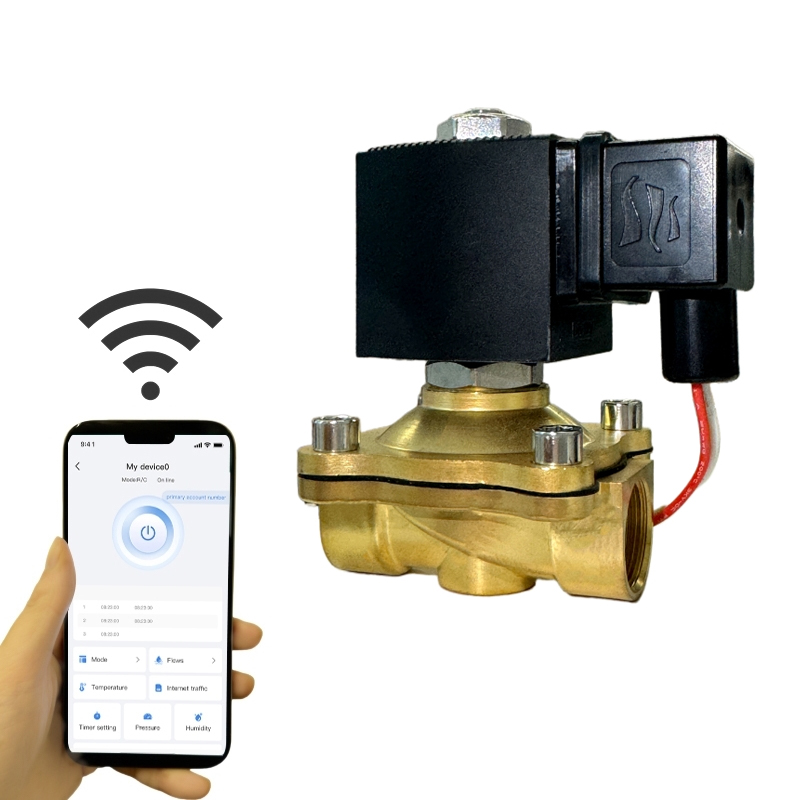
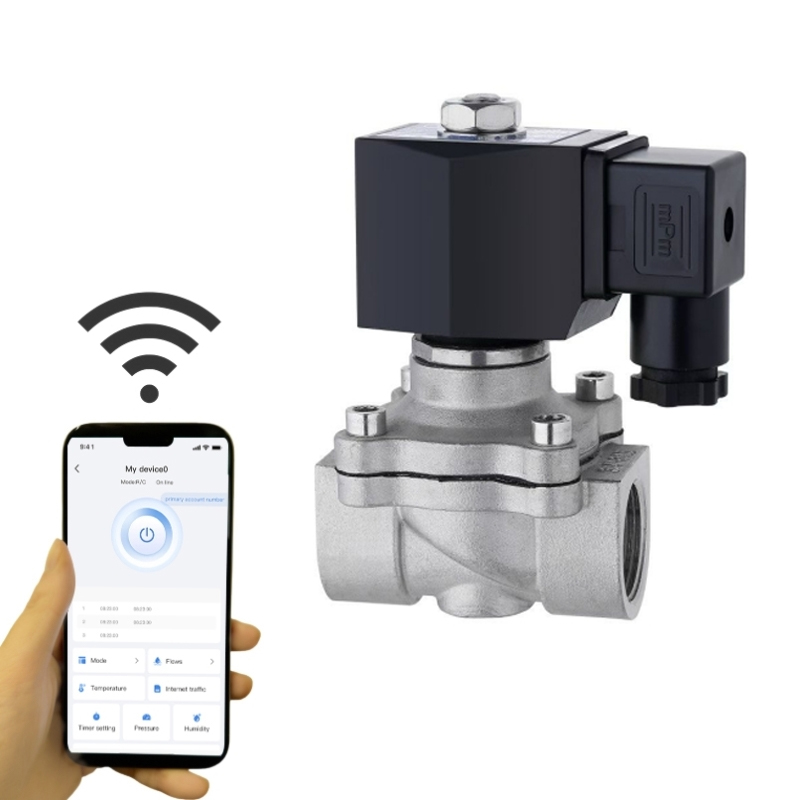
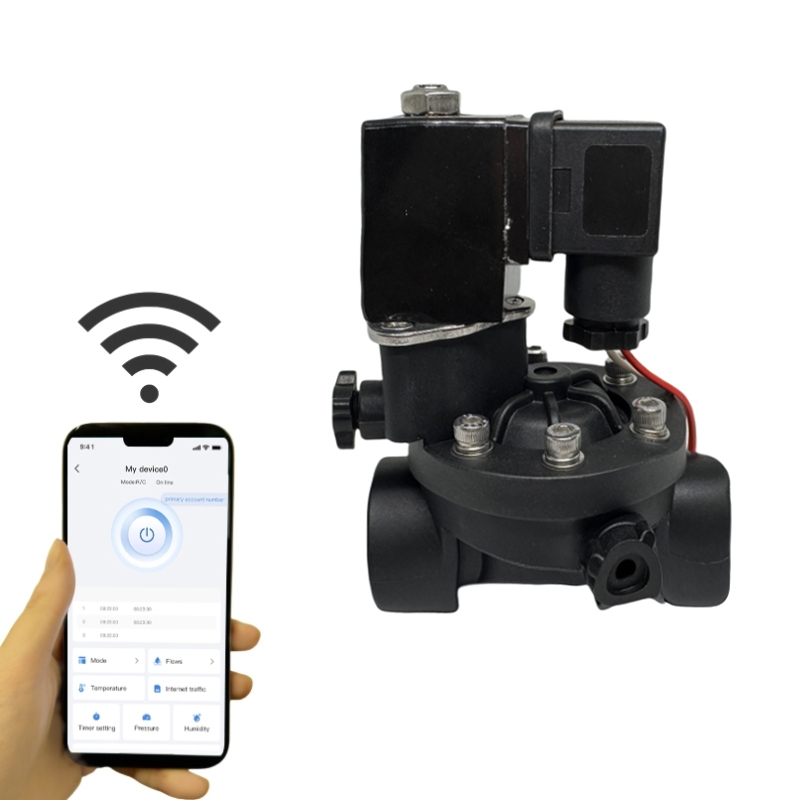
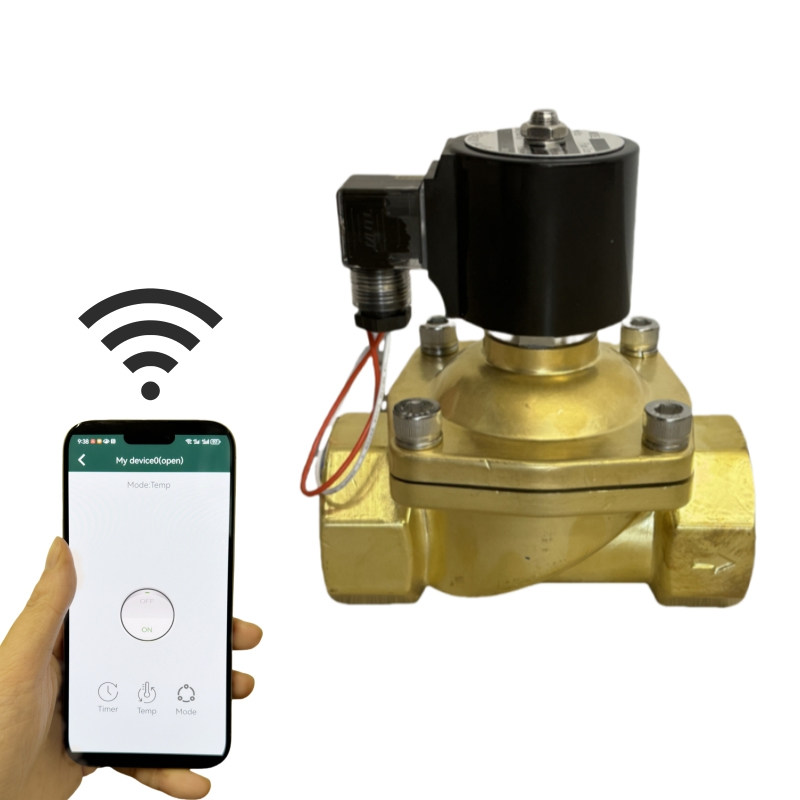
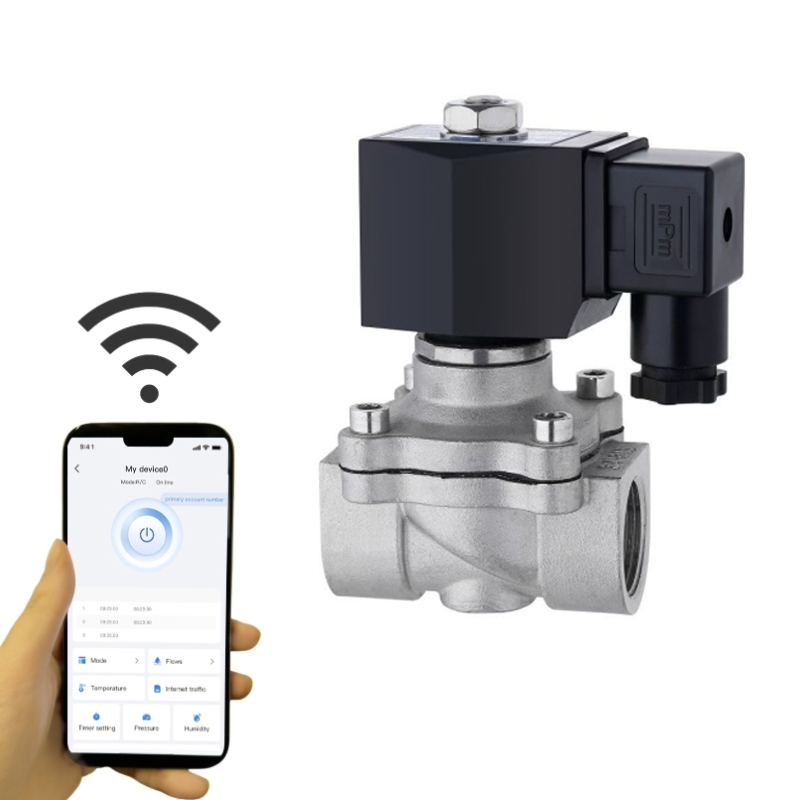
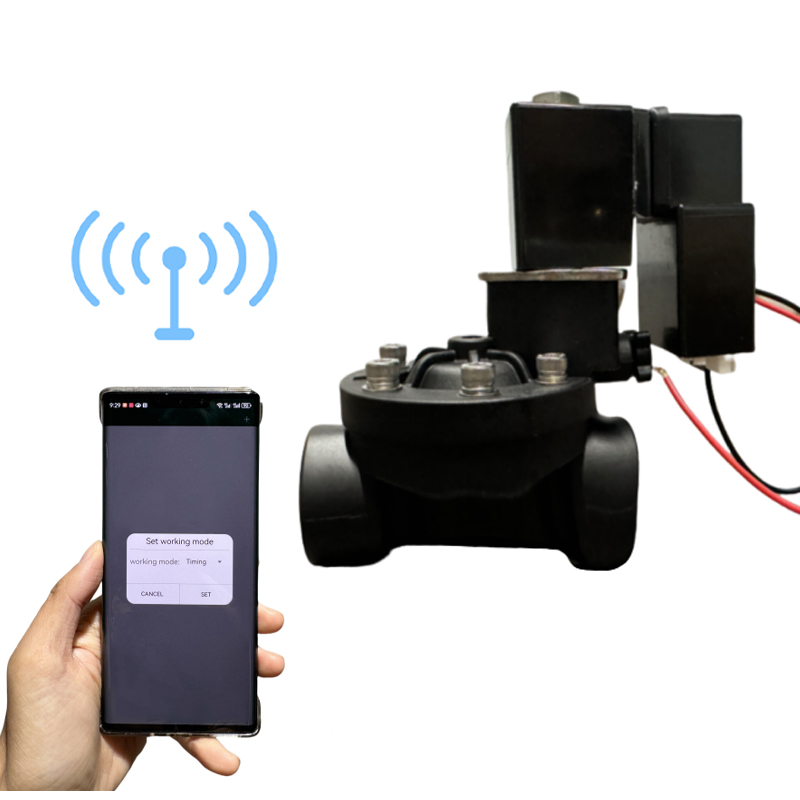
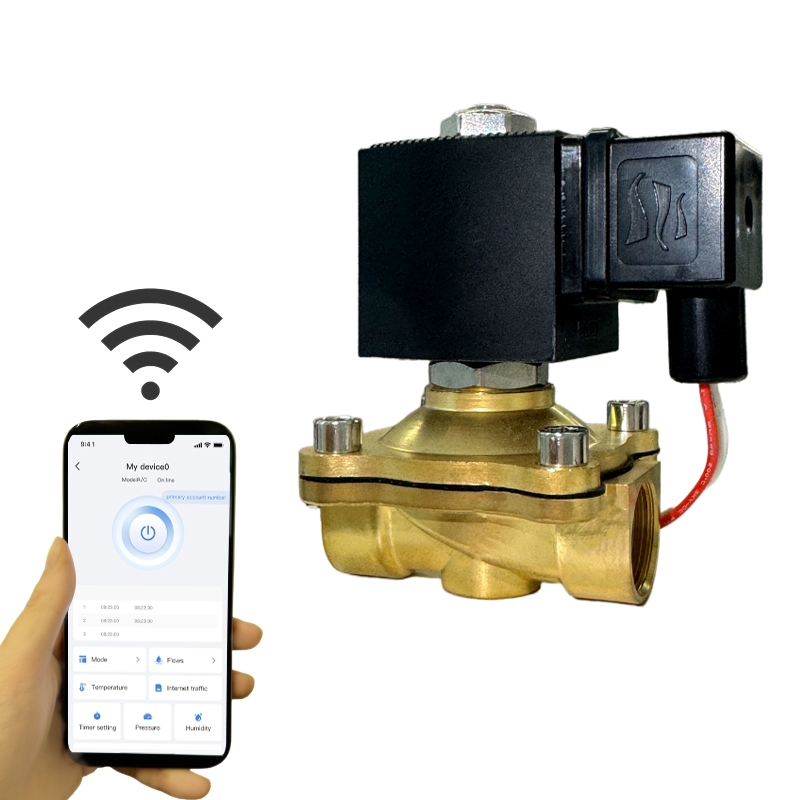
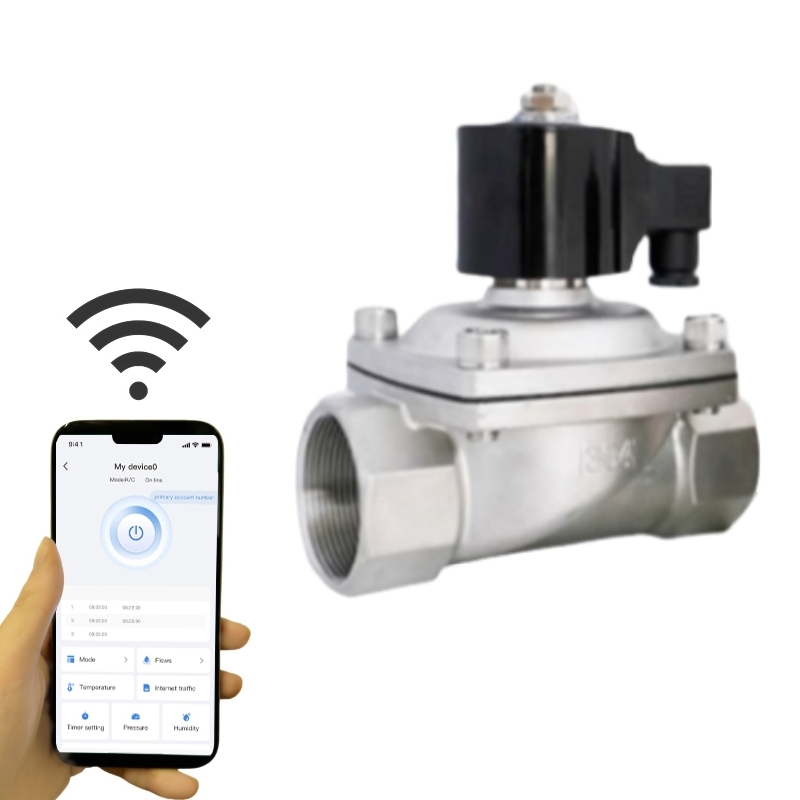
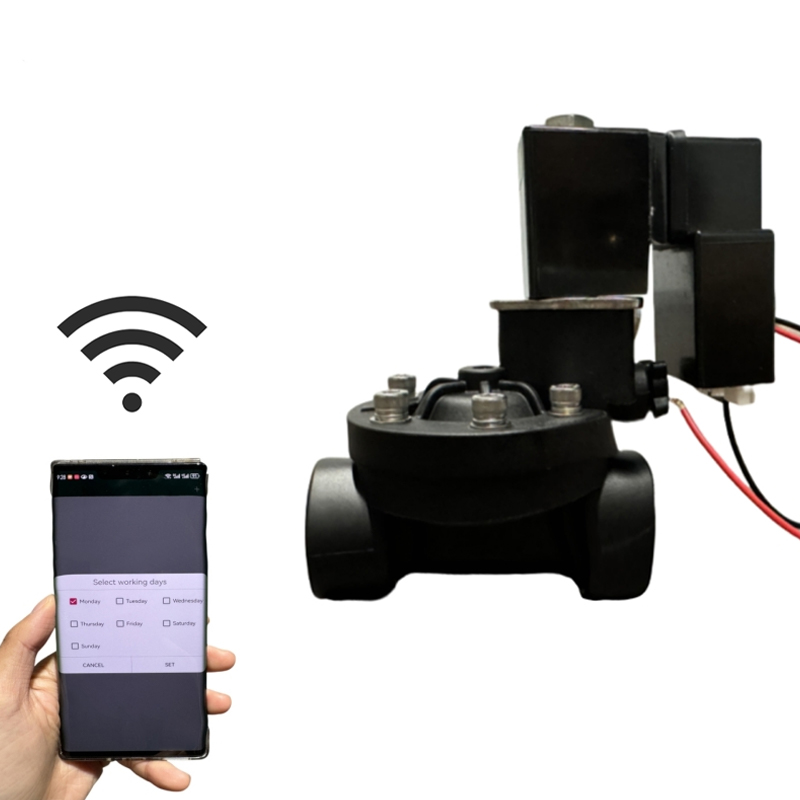
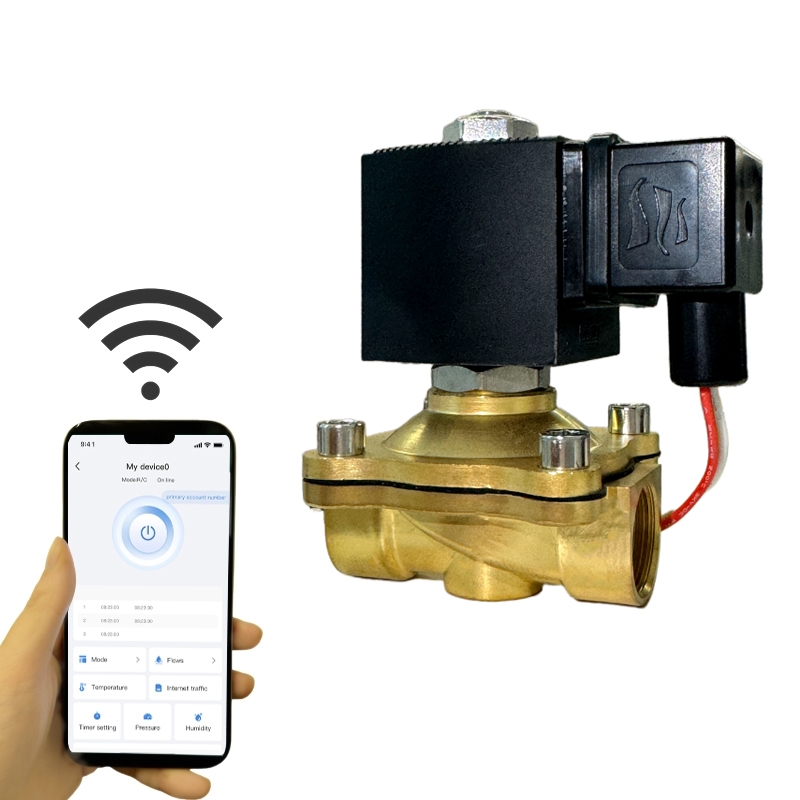
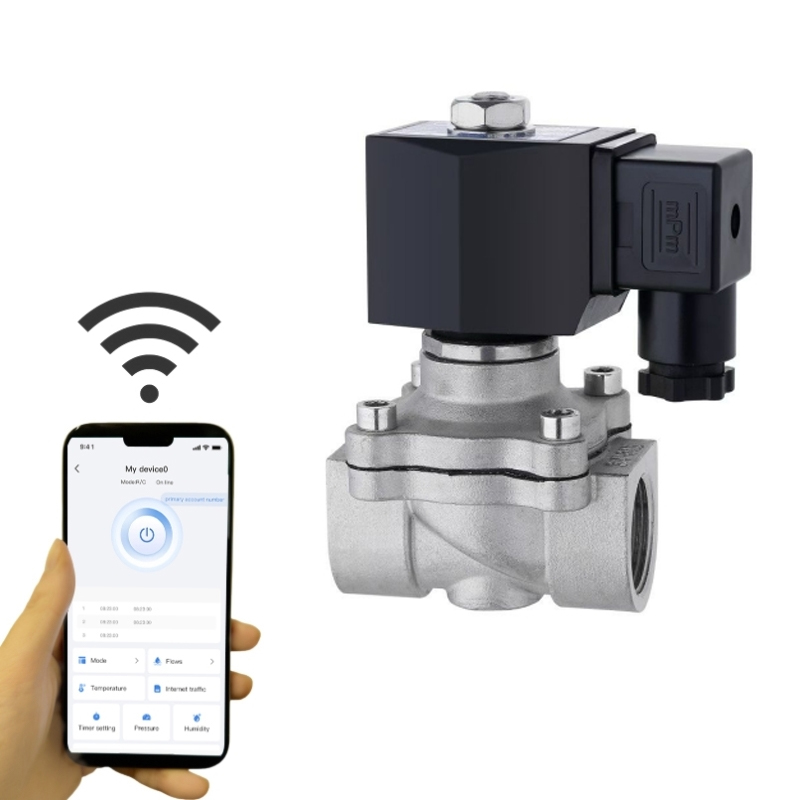
Alahot's app-enabled remote control solenoid valves come in brass, 304 stainless steel, and engineering plastic bodies — covering media compatibility from potable water to mild chemicals — and draw as little as 0.5W in continuous operation, making battery-powered deployments practical without a power infrastructure overhaul.
Not every smart valve does the same job. A well-designed App Global Control platform covers multiple trigger types so the valve responds to real-world conditions, not just manual commands.
| Control Mode | Trigger Source | Typical Application |
|---|---|---|
| Remote On/Off | Manual app command | Emergency shutoff, spot irrigation |
| Timer / Schedule | App-set clock | Daily watering, batch processing cycles |
| Temperature | Sensor reading | HVAC cooling loops, frost protection |
| Pressure | Inline pressure sensor | Pump protection, pipeline safety |
| Humidity | Environmental sensor | Greenhouse misting, data center cooling |
Alahot's App Global Control Valves line covers all five modes with dedicated product series, each available in brass, stainless steel, or plastic to match the process fluid. Switching modes doesn't require hardware changes — the app handles the logic.
When integrating a WiFi solenoid valve into an automated system, three metrics determine whether it's fit for purpose:
Meeting all three targets simultaneously requires the coil, plunger, and communication firmware to be co-engineered — not bolted together from off-the-shelf components.
The wireless module is only as reliable as the valve body around it. Material selection drives compatibility, lifespan, and regulatory compliance.
Brass handles the widest range of common applications — water, air, light oils — at a competitive price point. Alahot's 0.5W brass remote control valve suits residential and light commercial installations where cost efficiency and proven durability matter most.
304 Stainless Steel steps in where brass corrodes: mild acids, potable water subject to hygiene standards, outdoor installations exposed to humidity. Alahot's stainless steel app remote control valve supports multiple actuation modes — direct acting, latching, and pilot-operated — for demanding environments.
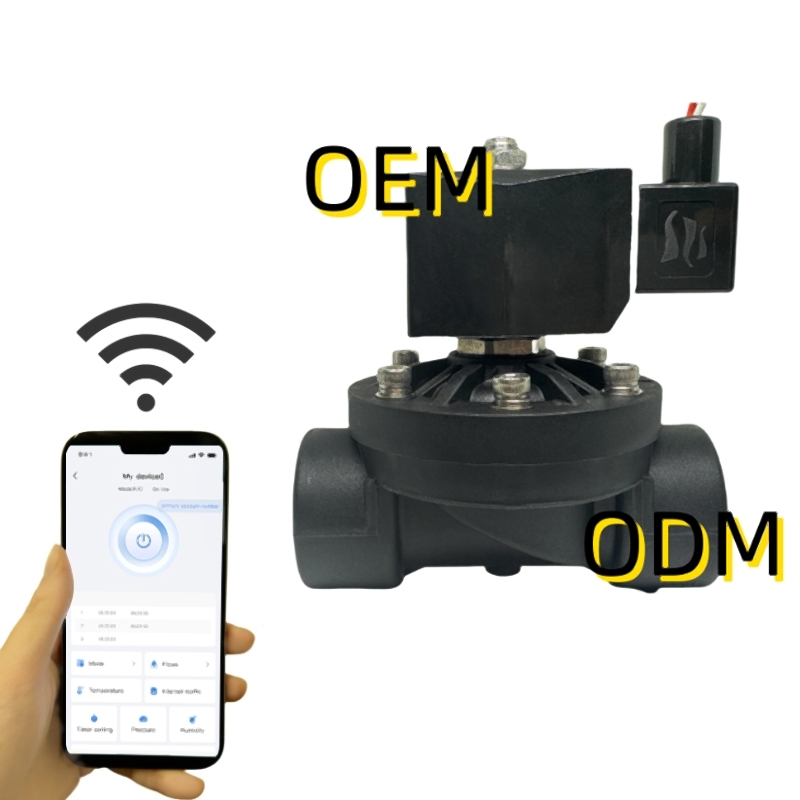
Engineering Plastic (PP/PVC/Nylon) is the go-to for chemical dosing, mildly corrosive media, or weight-sensitive installations. Lower cost per unit also makes it practical for high-valve-count projects like large greenhouse networks.
Sensor-enabled smart valves with real-time monitoring have been shown to reduce leakage by up to 15% and maintenance costs by 20% compared to conventional valve installations. Three scenarios where that ROI is clearest:
A valve connected to the internet is also a potential entry point into a facility network. Three safeguards separate well-engineered smart valves from vulnerable ones:
For buyers evaluating App Global Control solutions, these three items should be on every RFQ checklist alongside the hydraulic specifications.
A four-step shortcut that covers 90% of selection decisions:
Getting these four parameters locked down before specifying eliminates the most common sources of post-installation rework. For complex multi-zone or sensor-integrated systems, Alahot also supports OEM and ODM co-engineering — from coil tuning to custom firmware — delivering validated systems rather than components.



Copyright © 2025 Alahot (zhejiang) Technology Co., Ltd.
All Rights Reserved.
OEM/ODM Electric Solenoid Valves Manufacture
