


 English
 Español
News
Home / News / Solenoid Valve Solutions / Direct-Acting Solenoid Valves: Selection Guide, Specs & Real-World Applications
News
Content
Pick up any solenoid valve catalog and you'll find dozens of models that look nearly identical. The real differences — the ones that determine whether a valve lasts five years or five months — live inside the actuating mechanism. For many engineers, the decision comes down to one critical question: does this application actually need a direct-acting valve?
This guide cuts through the noise with concrete specs, material comparisons, and a practical checklist to help you get that decision right the first time.
A direct-acting solenoid valve uses the electromagnetic force of the coil to move the plunger directly, opening or closing the orifice without relying on upstream fluid pressure. This is the defining advantage: it can operate from 0 bar upward, making it the only viable choice for vacuum systems, gravity-fed tanks, and low-pressure circuits where pilot-operated designs simply won't open.
The trade-off is straightforward. Because all actuation force comes from the coil itself, direct-acting valves are generally limited to smaller orifice sizes — typically up to DN10 — and lower pressure ranges. For systems that need high flow rates at stable line pressure, a pilot-operated solenoid valve with pressure-assisted actuation will be the more efficient choice. But for precise, fast on/off control in compact or low-pressure systems, the direct-acting design is unmatched.
Response time is another strong point. With no pilot circuit to pressurize, direct-acting valves switch in milliseconds — a critical advantage in dosing, analytical instruments, and medical devices where timing precision translates directly into product quality.
1. Operating pressure range. Direct-acting valves perform best at pressures below 0.7 MPa (roughly 100 psi). If your system operates above that threshold, verify that the coil's electromagnetic force is sufficient to overcome both spring force and fluid pressure at the stated orifice size. Undersizing here leads to valve stall, especially when line pressure fluctuates.
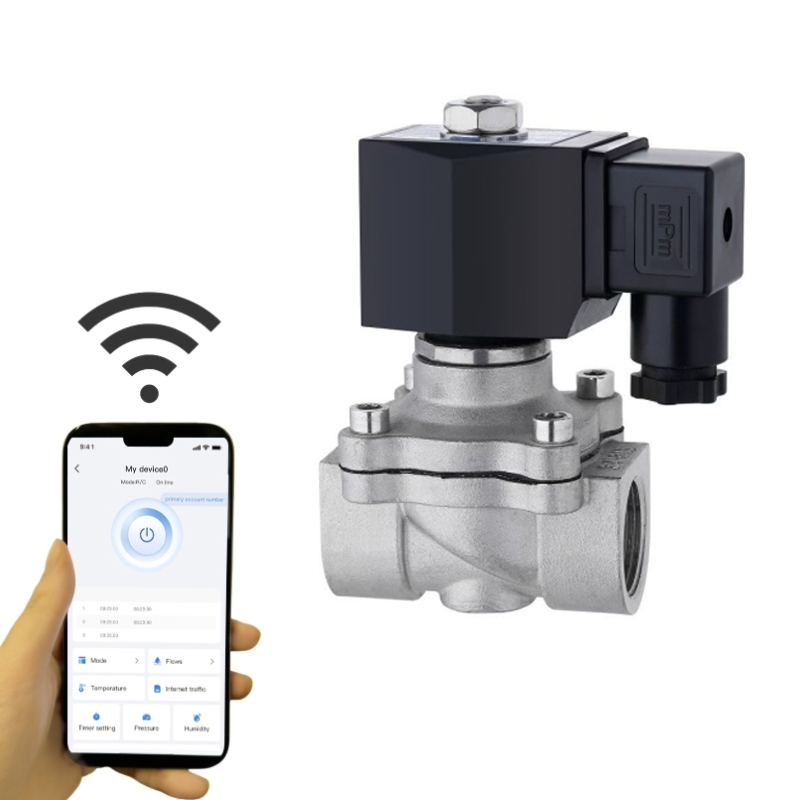
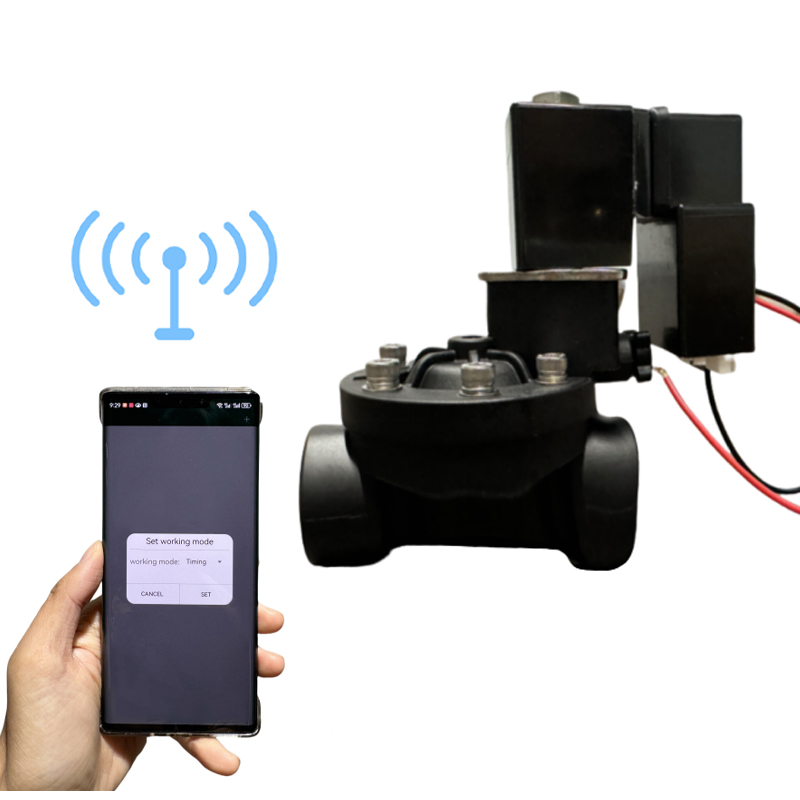
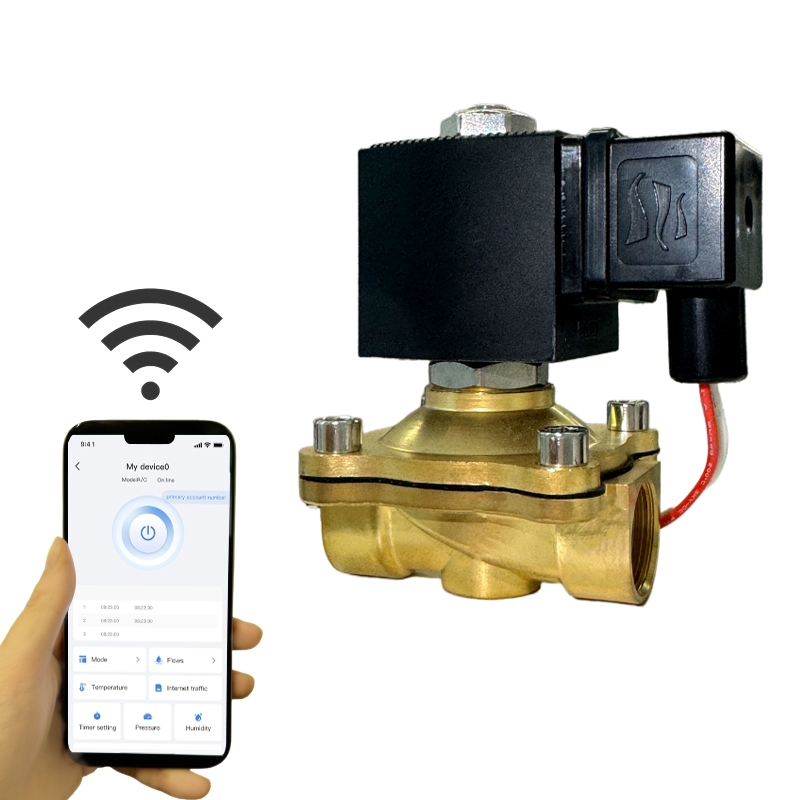
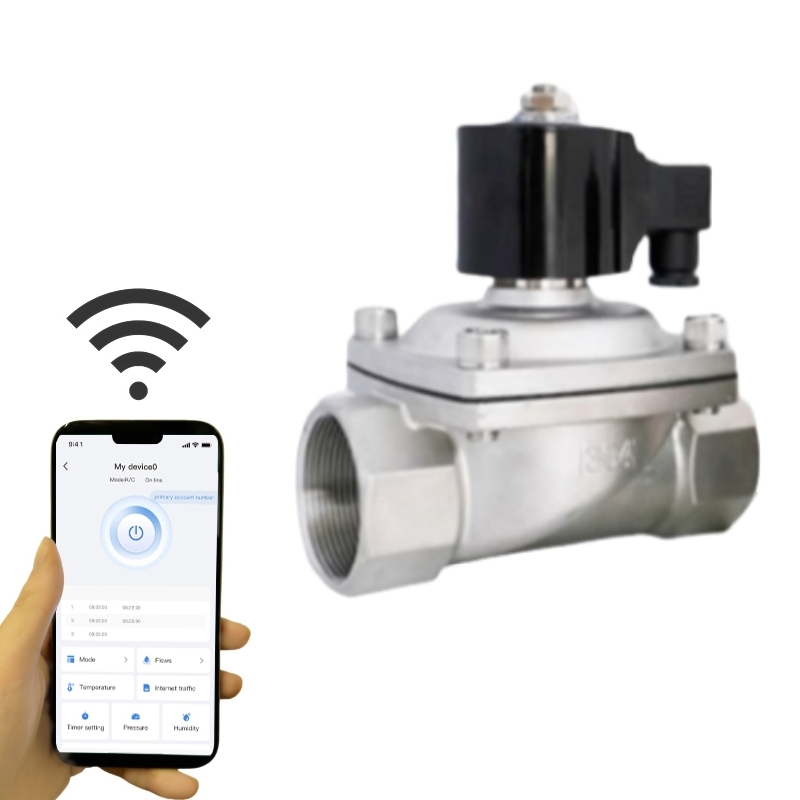
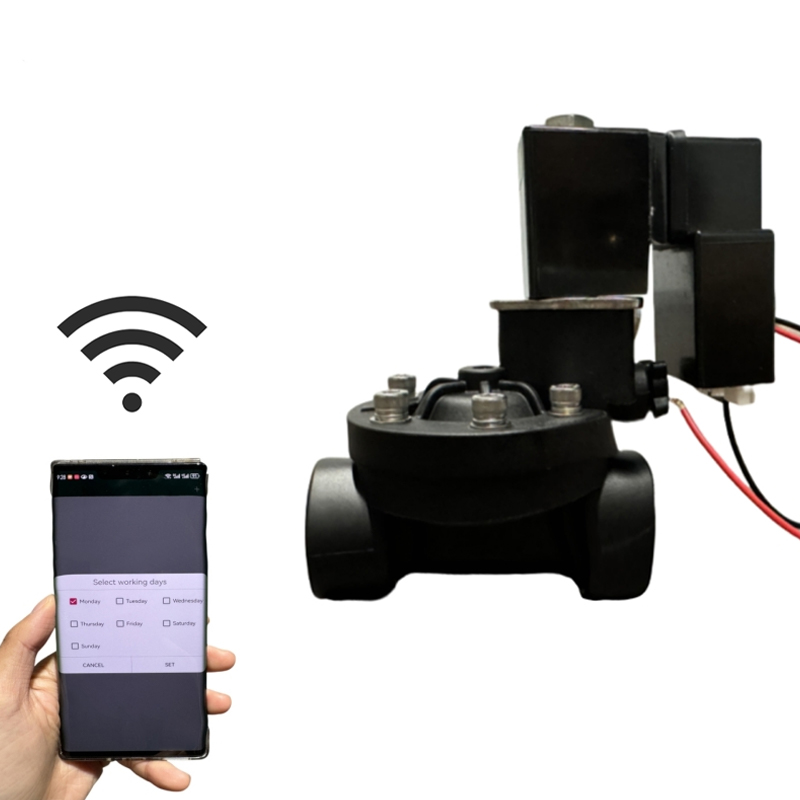
2. Power consumption. Conventional direct-acting valves consume 5–15 W continuously, generating heat that degrades seals and shortens coil life in long-energized applications. Advanced designs — such as the Alahot 2W Series — achieve sub-1 W operation (as low as 0.5 W) through an integrated smart control chip, eliminating coil heating while delivering reliable switching performance. This specification is essential for battery-powered, solar-powered, or IoT-connected systems.
3. Switching frequency. High-cycle applications (hundreds of switches per hour) accelerate wear on the plunger and seat. Confirm the rated cycle life — a quality direct-acting valve should reliably exceed 1 million cycles under standard conditions; well-engineered designs can reach 10 million cycles in clean media service.
4. Fluid compatibility. The valve body, seals, and plunger must all be chemically compatible with the medium. NBR seals handle water, air, and light oils well; EPDM is preferred for steam and hot water; FKM (Viton) suits aggressive chemicals. Get this wrong and you'll see swollen seals and internal sticking within weeks of commissioning.
The body material is often the first decision point and frequently the most misunderstood. Here is a direct comparison based on actual product characteristics:
| Material | Best For | Key Limitation | Typical Application |
|---|---|---|---|
| Brass | Water, air, neutral fluids | Not suited for acidic/alkaline media | HVAC, irrigation, general automation |
| Stainless Steel (304/316) | Corrosive media, high pressure, food/pharma | Higher cost | Medical devices, chemical dosing, marine |
| Nylon / Plastic | Mildly corrosive fluids, low-pressure gas | Lower pressure/temperature ceiling | Water treatment, lab instruments, IoT |
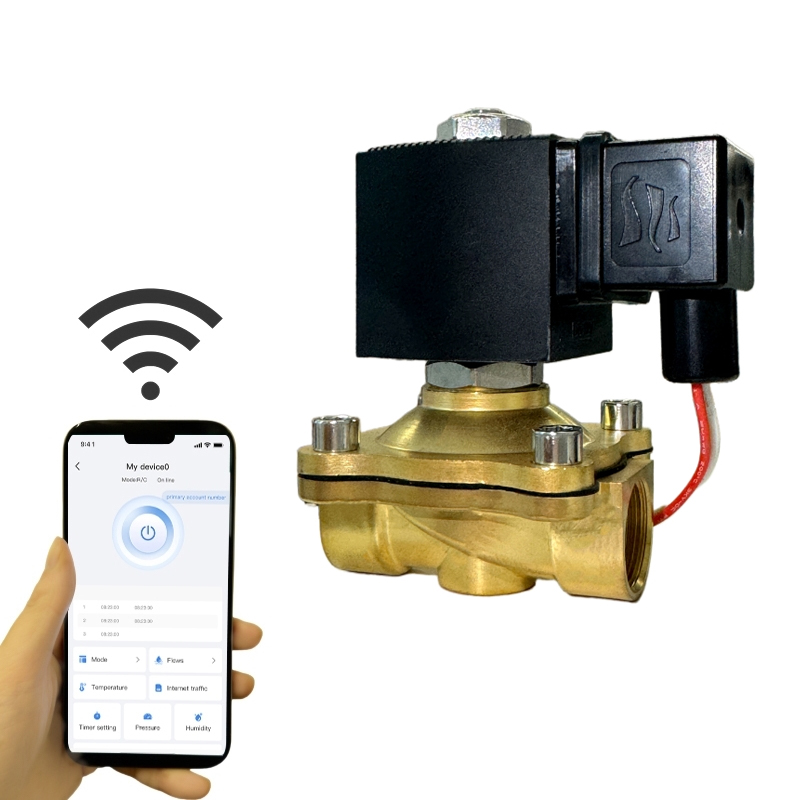
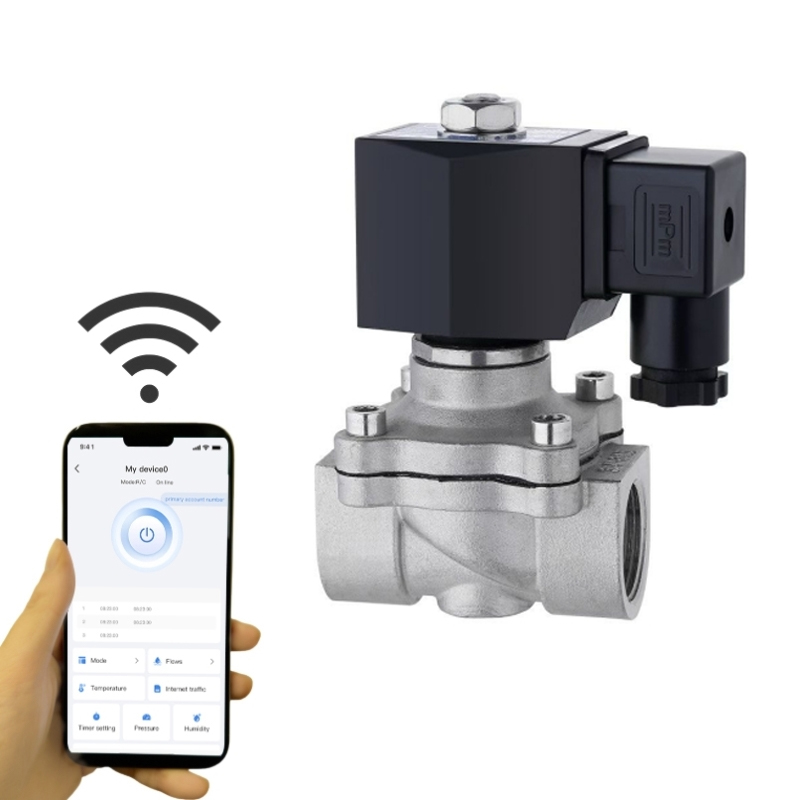
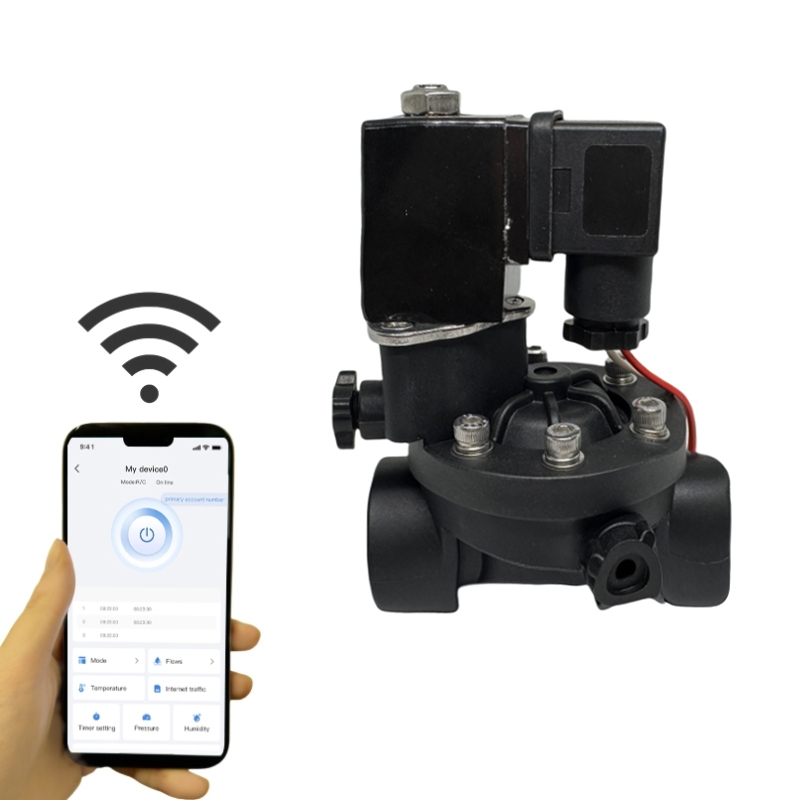
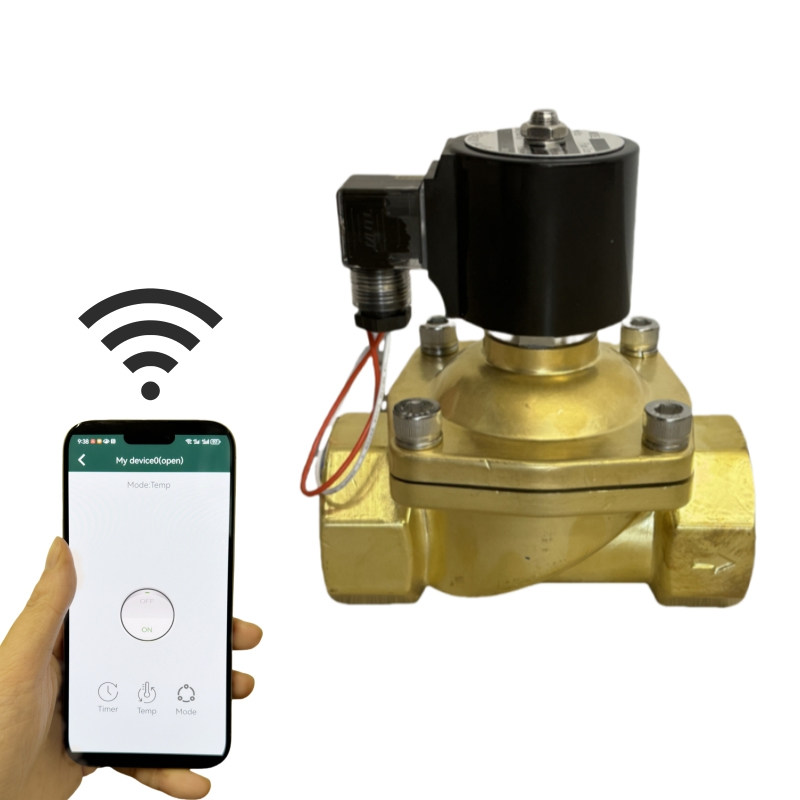
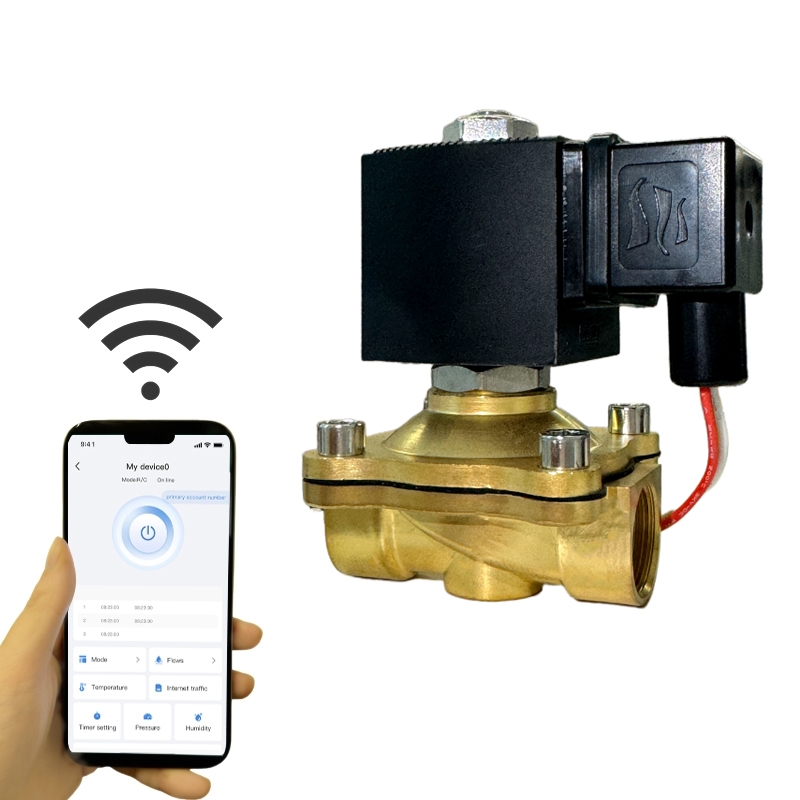
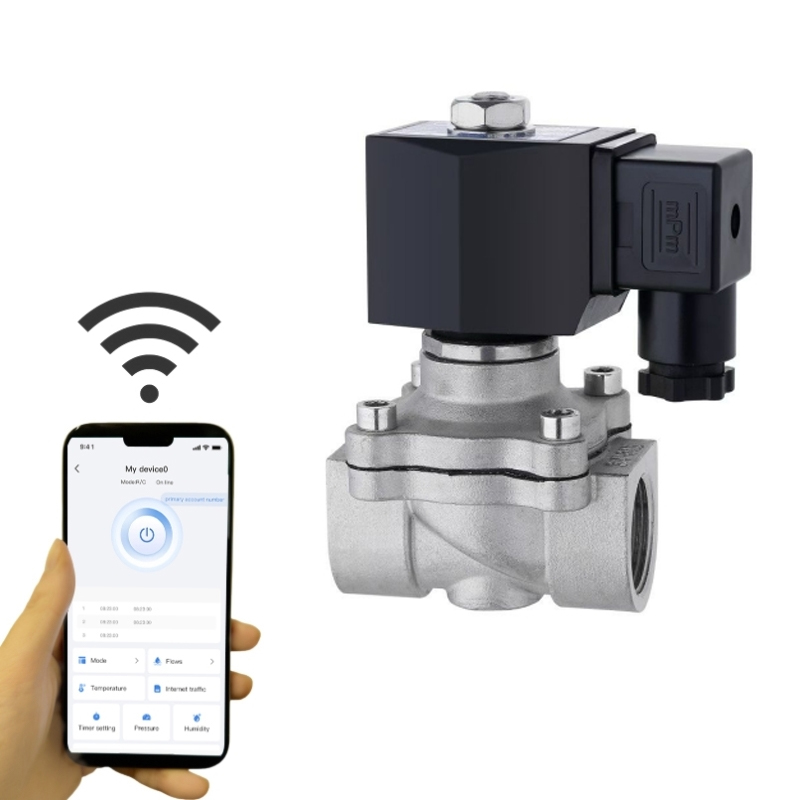
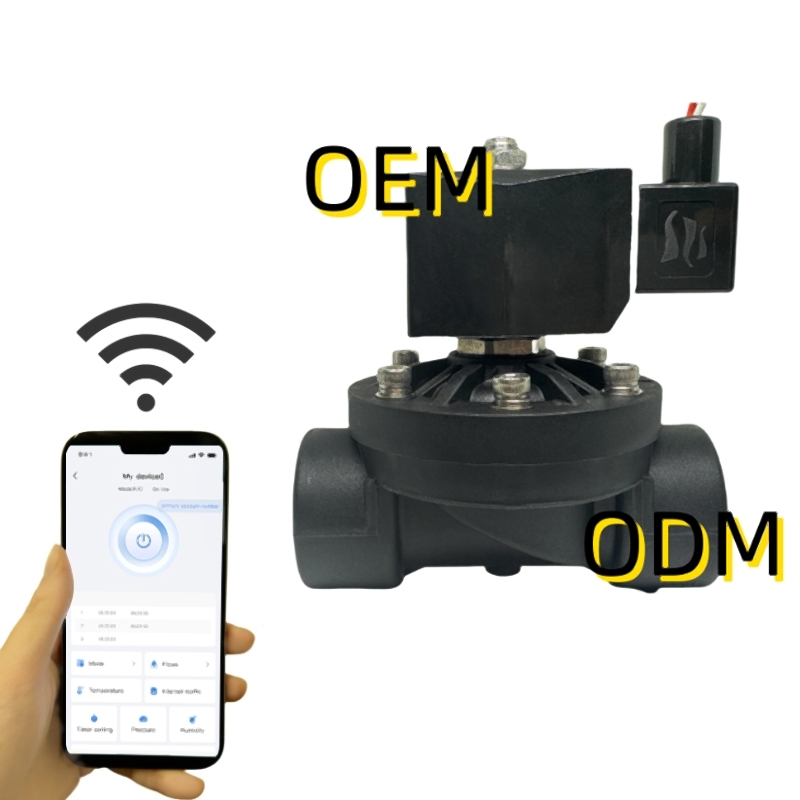
The 2-Way Direct-Acting Solenoid Valve range is available in all three body materials — brass, 304 stainless steel, and nylon plastic — allowing engineers to match both the chemical environment and the cost target without compromising on electrical performance.
Direct-acting valves are the right choice in the following scenarios:
Where direct-acting valves are the wrong choice: high-flow, high-pressure industrial pipelines. If you need to control 2-inch pipe flow at 16 bar, the coil force required to directly actuate a valve of that orifice size becomes impractical. That is precisely where high-pressure designs with pilot-assisted actuation belong — see the high-pressure solenoid valve series rated from 16 bar to 100 bar for those applications.
Before specifying a direct-acting solenoid valve, confirm each point below:
Getting these seven parameters aligned before placing an order eliminates the vast majority of field failures. A valve that is correctly specified for its operating environment will routinely exceed its rated service life; one that isn't will fail in ways that are difficult to diagnose and expensive to fix mid-installation.
For a broader view of how direct-acting designs compare with pilot-operated and semi-direct types across different pressure and flow regimes, the technical overview of solenoidvalve operating mechanisms provides useful background on the underlying physics. Then match those principles to real-world specifications when you browse the full solenoid valve product range to find the configuration that fits your system exactly.



Copyright © 2025 Alahot (zhejiang) Technology Co., Ltd.
All Rights Reserved.
OEM/ODM Electric Solenoid Valves Manufacture
