


 English
 Español
News
Home / News / Solenoid Valve Solutions / How to Improve Automation Efficiency with Smart App WiFi Solenoid Valves
News
Content
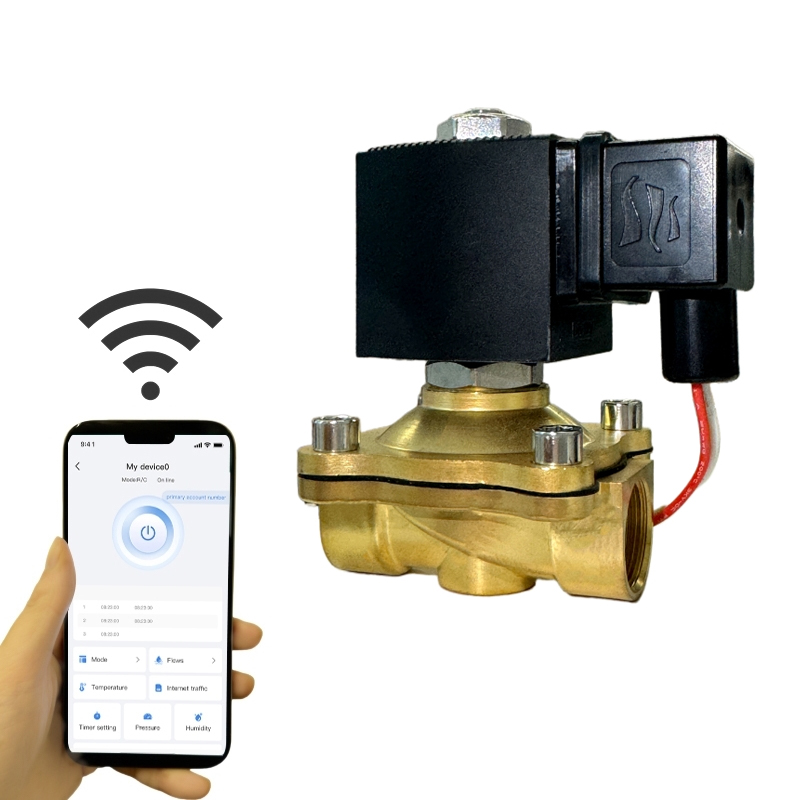
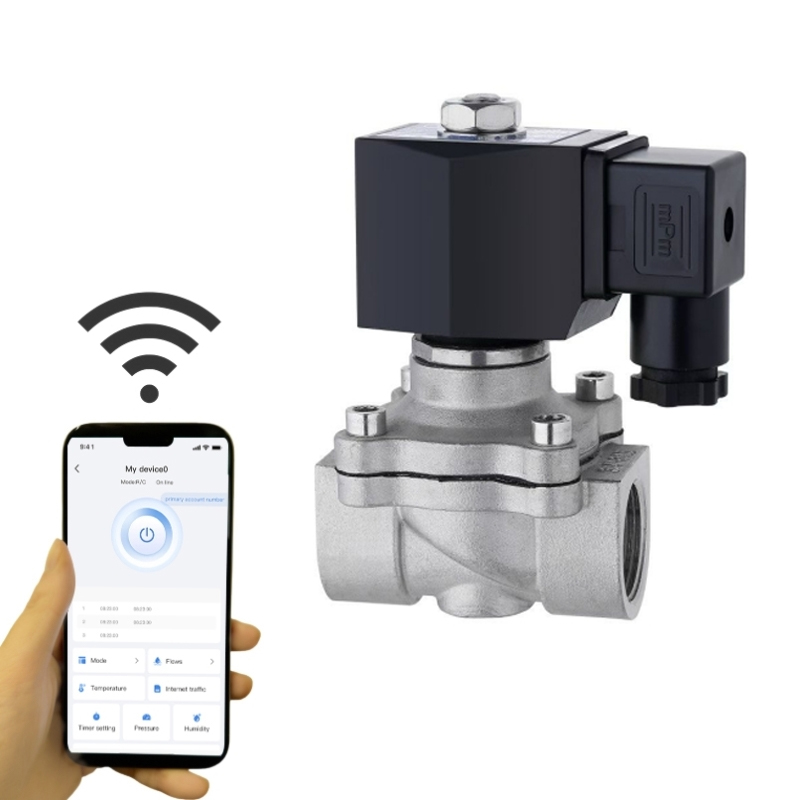
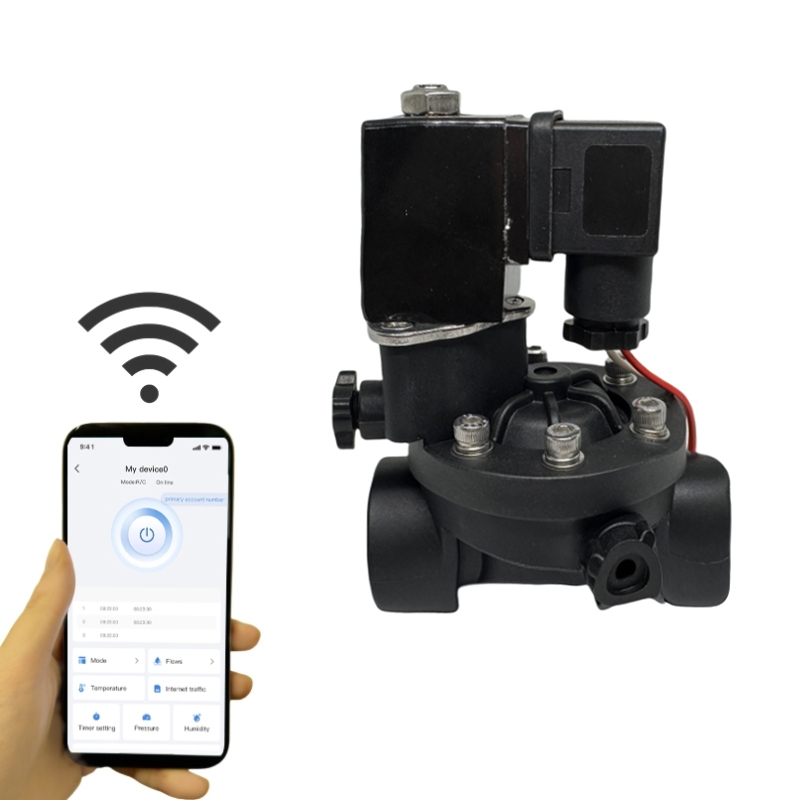
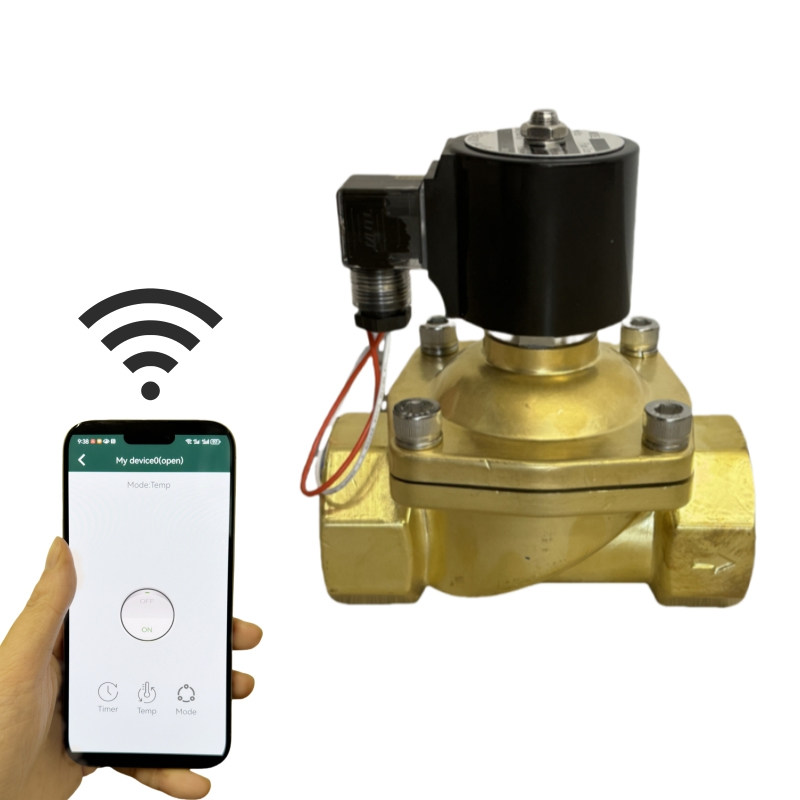
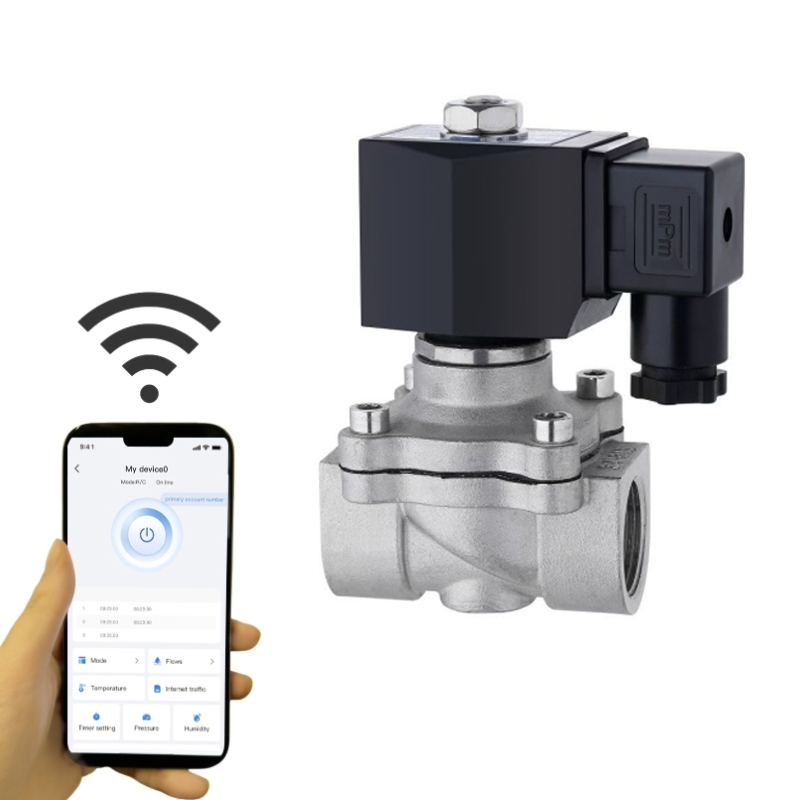
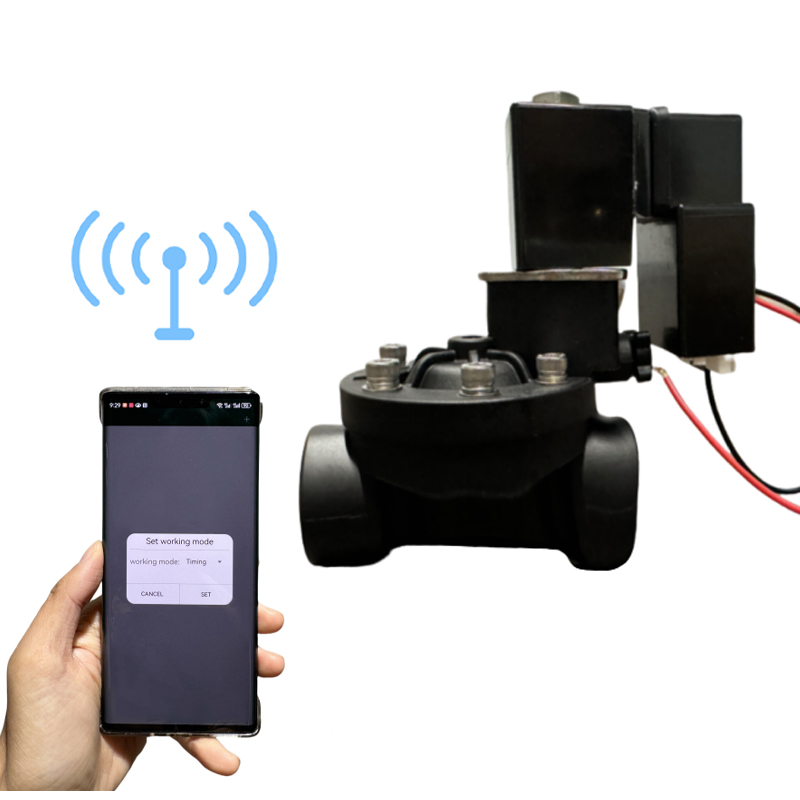
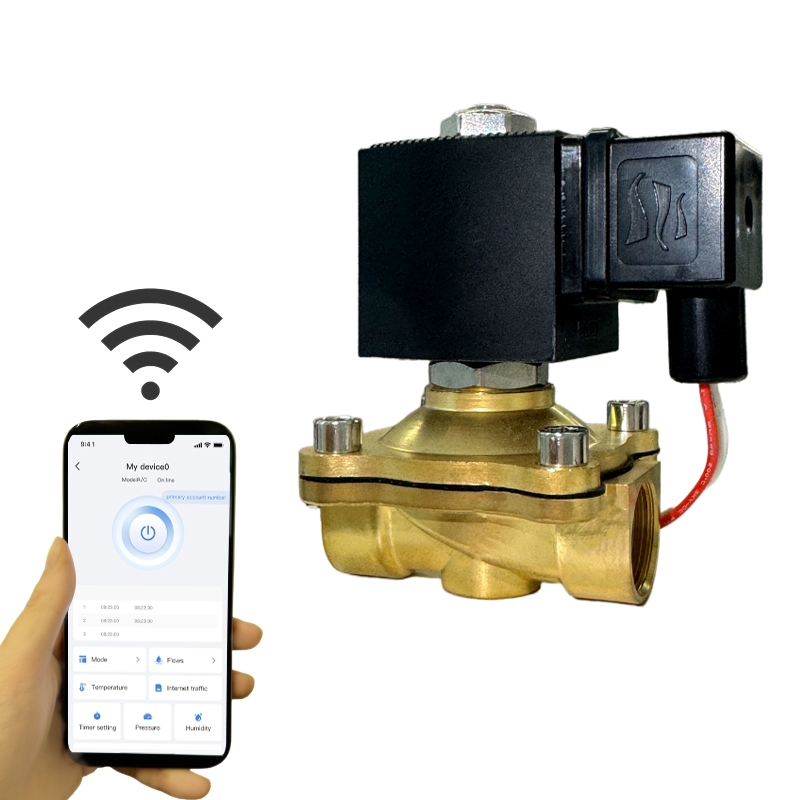
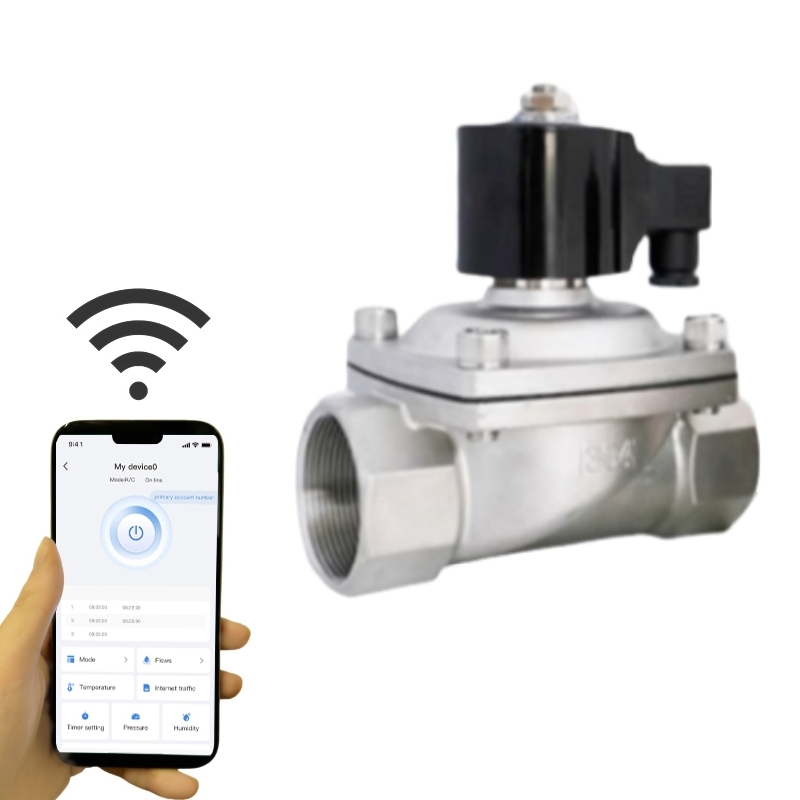
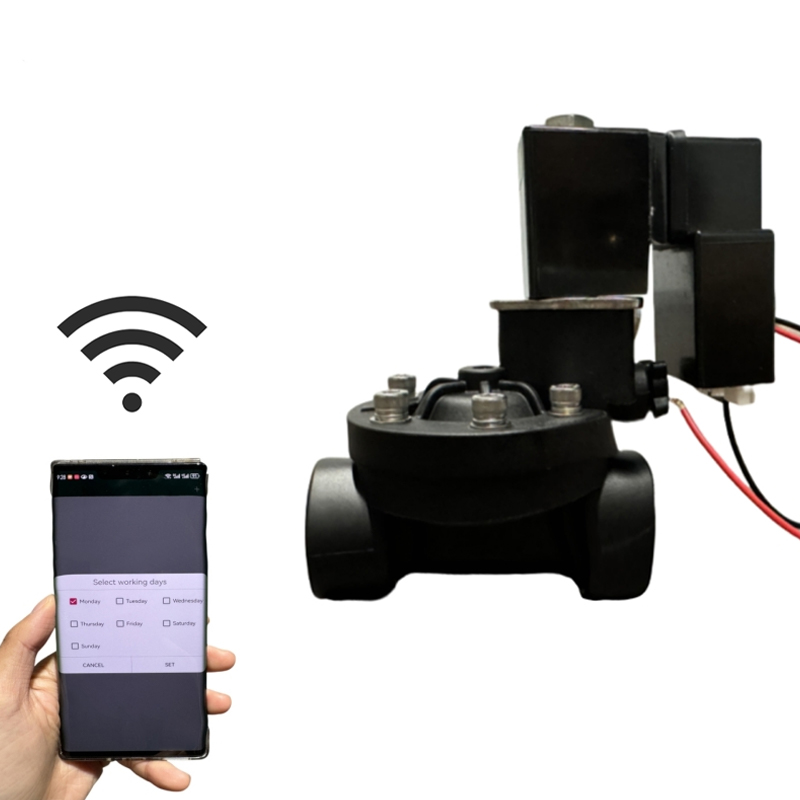
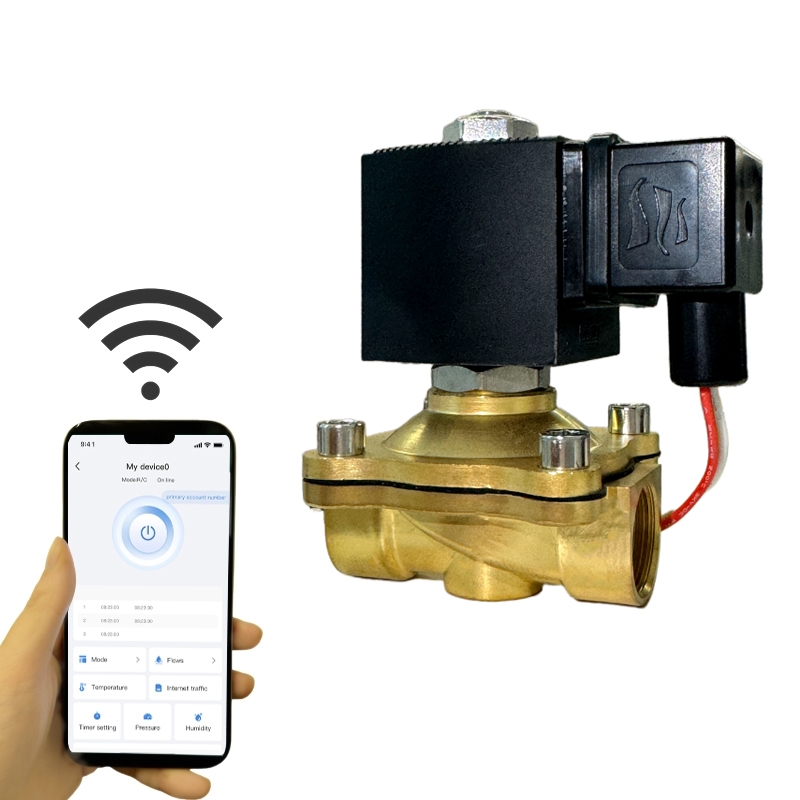
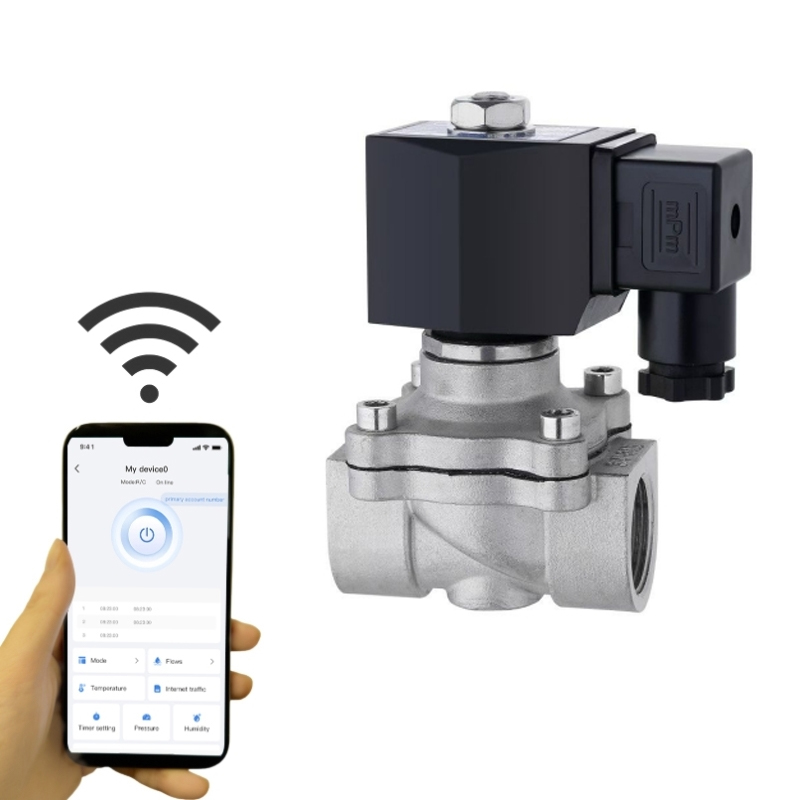
Integrating Smart App WiFi solenoid valves into an automated system can reduce manual intervention by up to 70% and cut response time to valve events from hours to seconds. Unlike conventional solenoid valves that require on-site operation or hardwired control panels, WiFi-enabled models push real-time status updates directly to a mobile app, allowing operators to open, close, schedule, or diagnose valves from anywhere on the network.
The efficiency gain is not just about convenience. It stems from three structural improvements: eliminating travel time to remote valve stations, enabling predictive maintenance through live diagnostics, and replacing static timer-based schedules with dynamic, data-driven control logic. Across agriculture, HVAC, water treatment, and industrial fluid management, these advantages compound into measurable operational savings.
Traditional solenoid valves sit at the end of a control chain: a PLC or timer sends a signal, the valve actuates, and feedback — if any — travels back through dedicated wiring. Smart App WiFi solenoid valves break this architecture by embedding a wireless module (typically 2.4 GHz 802.11b/g/n) directly into the valve body or actuator, making each valve an independent node on the network.
This shift has two critical consequences for automation efficiency:
For large installations managing dozens of valve points — such as drip irrigation networks spanning multiple hectares or multi-zone chilled water systems — this architecture reduces wiring costs by 30–50% compared to hardwired SCADA alternatives, according to field implementation data from industrial IoT deployments.
Most smart valve apps support time-based scheduling with day/week/seasonal granularity. More advanced platforms add conditional triggers: a soil moisture sensor reading below a threshold automatically opens an irrigation valve; a temperature spike in a cooling loop commands a bypass valve to actuate without any human input. This replaces static, over-irrigating or under-cooling schedules with responsive logic that reacts to actual system conditions.
A valve that fails silently is an automation liability. WiFi-enabled valves push instant push notifications when a coil draws abnormal current, when an end-of-stroke position is not confirmed within a set timeout, or when the valve is manually overridden on-site. Maintenance teams receive actionable fault data — valve ID, fault type, timestamp — rather than discovering failures during the next scheduled walk-through. Studies in predictive maintenance show that alert-driven repair reduces unplanned downtime by 25–45% compared to time-based maintenance schedules.
Grouping valves within the app allows a single command to sequence or simultaneously actuate multiple valves across different physical zones. In irrigation, this means running zone 1 through zone 8 in a defined sequence without individual commands. In process piping, it enables coordinated switchover between primary and standby lines. Group control directly compresses the time required to execute complex valve sequences from minutes to seconds.
Not all WiFi solenoid valves are interchangeable. Selecting the wrong specification undermines both efficiency and reliability. The table below summarizes the key parameters to match against your application requirements:
| Parameter | Irrigation / Agriculture | HVAC / Cooling | Industrial Process |
|---|---|---|---|
| Body Material | Plastic (PP/ABS) | Brass | Stainless Steel 316 |
| Operating Pressure | 0.02 – 0.8 MPa | 0 – 1.6 MPa | 0 – 4.0 MPa |
| Power Supply | Battery / Solar | 24V AC/DC | 24V DC / 220V AC |
| IP Rating | IP65 minimum | IP54 | IP67 / IP68 |
| App Protocol | WiFi + Cloud | WiFi + Modbus TCP | WiFi + MQTT / OPC-UA |
Battery-powered models are particularly impactful for remote field automation where running mains power is cost-prohibitive. Modern latching solenoids paired with low-power WiFi modules can achieve 1–2 year battery life on a standard AA lithium cell, making fully wireless, off-grid valve automation practical for the first time.
WiFi solenoid valves deliver the highest efficiency return when they connect to a broader automation ecosystem rather than operating as standalone devices. The most effective integration paths include:
When evaluating integration compatibility, confirm that the valve's app platform supports open protocol export (MQTT, REST, or Modbus TCP) rather than a proprietary closed ecosystem. Lock-in to a vendor's cloud platform creates a single point of failure and limits future scalability.
Before deploying smart WiFi solenoid valves, establish baseline KPIs so the efficiency improvement can be measured objectively. The most relevant metrics are:
Tracking these metrics before and after deployment gives procurement and operations teams the data to justify further smart valve rollout and calculate a clear payback period — typically 6 to 18 months for mid-scale commercial or agricultural installations.
Smart App WiFi solenoid valves do not automatically deliver efficiency improvements. Several implementation mistakes consistently undercut their potential:



Copyright © 2025 Alahot (zhejiang) Technology Co., Ltd.
All Rights Reserved.
OEM/ODM Electric Solenoid Valves Manufacture
