


 English
 Español
News
Home / News / Solenoid Valve Solutions / Energy Efficiency and Performance Optimization in Modern Solenoid Valves
News
Content
Energy efficiency in solenoid valves is not simply about reducing power draw — it is about delivering reliable actuation at the lowest sustainable energy cost without compromising switching speed, sealing integrity, or service life. Modern industrial systems may operate hundreds of solenoid valves simultaneously; even a 30% reduction in per-valve power consumption can translate to tens of thousands of dollars saved annually across a mid-sized facility.
The key efficiency metrics engineers track are holding power (watts consumed while the valve remains open), inrush current (the spike at actuation), duty cycle rating, and leakage rates. An inefficient design wastes energy on all four fronts — drawing excess current to hold a position that could be maintained with far less electromagnetic force, or allowing internal leakage that forces compressors and pumps to work harder to maintain system pressure.
Understanding these parameters before selecting a valve is the foundation of any energy optimization strategy.
Several engineering advances have significantly raised the performance ceiling of solenoid valves over the past decade.
Traditional solenoid drivers apply constant full voltage throughout the open cycle. Peak-and-hold (PAH) circuitry instead delivers a high inrush current to achieve fast, positive actuation, then immediately drops to a lower holding current — typically 25–40% of the peak value — once the plunger has seated. This single change routinely cuts steady-state power consumption by 60–75% without altering valve response time, and it substantially reduces coil temperature, extending insulation life.
PWM drivers regulate average coil current by rapidly switching supply voltage on and off at frequencies between 1 kHz and 20 kHz. This enables precise force control across a wide range of supply voltages and ambient temperatures. In proportional solenoid valves, PWM is the standard method for achieving variable flow control — translating a 4–20 mA or 0–10 V command signal into precise plunger displacement with repeatability typically within ±0.5% of full scale.
Latching solenoid valves use a permanent magnet to hold the plunger in the open or closed position after actuation. Power is only needed for the brief switching pulse — typically 20–50 milliseconds — rather than continuously. In applications where valves remain in one position for extended periods, latching designs can reduce energy consumption by more than 95% compared to continuously energized equivalents, making them especially valuable in battery-powered or remote installations.
Modern coil winding uses high-conductivity copper alloys with optimized wire gauges and bobbin geometries to minimize resistive losses while maintaining the magnetic flux density needed for reliable actuation. Encapsulation compounds with high thermal conductivity (often above 1.0 W/m·K) improve heat dissipation, enabling higher ambient temperature ratings — some modern coils are now rated for continuous operation at 180°C Class H insulation standards.
Not all solenoid valve architectures offer the same energy profile. The table below summarizes typical power characteristics across the most common designs in industrial applications.
| Valve Type | Typical Holding Power | Response Time | Best Use Case |
|---|---|---|---|
| Direct-acting (standard) | 5–30 W | 10–50 ms | Low-flow, zero differential pressure |
| Direct-acting with PAH | 1.5–8 W | 10–50 ms | High-density manifolds |
| Pilot-operated | 3–15 W | 20–100 ms | Large-bore, high-pressure lines |
| Latching (bistable) | <0.1 W (avg.) | 15–60 ms | Battery-powered / long-hold applications |
| Proportional (PWM) | 5–25 W | 5–30 ms | Variable flow, closed-loop control |
Valve leakage is one of the most underestimated contributors to energy waste in fluid and pneumatic systems. A single solenoid valve leaking at 0.5 SCFM in a compressed air system — well within many "acceptable" tolerance ranges — can waste over 2,600 kWh of compressor energy per year, depending on system pressure and compressor efficiency. Multiplied across dozens or hundreds of valves, leakage becomes a dominant energy cost.
Modern high-performance solenoid valves address this through several sealing innovations:
Selecting the right seat material and geometry for the specific fluid, temperature range, and pressure differential is as important as coil design in achieving true system efficiency.
Valve-level efficiency gains are amplified — or negated — by how valves are integrated into larger systems. The following strategies deliver the highest returns when optimizing solenoid valve performance at the system level.
Oversized valves are common in industrial systems, often specified with generous safety margins. An oversized valve operating at a small fraction of its rated Cv forces the solenoid to work against disproportionately high differential pressure on the seat, increasing wear and potentially requiring higher coil power. Accurately sizing valves to the 95th percentile of actual operating conditions — rather than theoretical maximums — typically reduces both energy consumption and total valve count.
Operating a solenoid coil at voltages significantly above its rated value accelerates insulation degradation and increases resistive heating. Conversely, chronic undervoltage causes sluggish actuation and incomplete plunger travel, leading to seat wear and leakage. Specifying coils rated for actual supply voltage — accounting for line drop under load — extends service life and maintains designed efficiency parameters throughout the valve's operational life.
In manifold-mounted valve islands, heat generated by adjacent solenoids accumulates and raises coil operating temperatures. Every 10°C rise in coil temperature above rated conditions roughly halves insulation service life (Arrhenius degradation model). Strategies include specifying higher-class insulation materials, selecting low-wattage PAH coils, providing forced-air cooling in enclosed enclosures, and derating duty cycles where continuous energization is unavoidable.
Smart solenoid valve controllers now offer real-time monitoring of coil resistance, response time, and cycle count. Gradual increases in response time indicate mechanical wear or contamination buildup before failure occurs. Coil resistance trending toward specification limits signals impending insulation breakdown. Integrating these data streams into SCADA or IIoT platforms enables condition-based maintenance — replacing valves at the end of their useful life rather than on arbitrary schedules, reducing both maintenance costs and unplanned downtime.
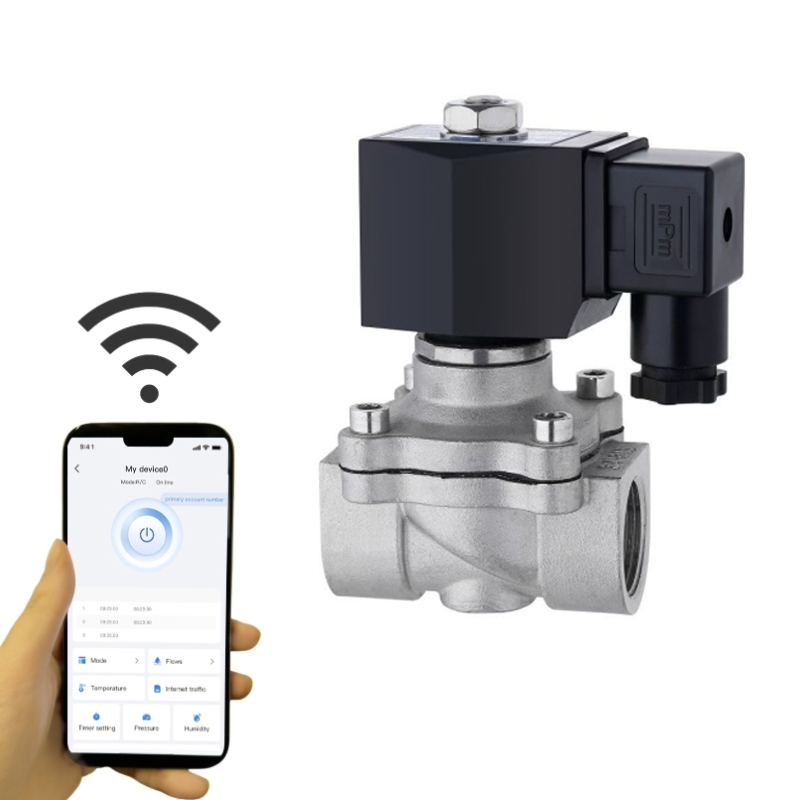
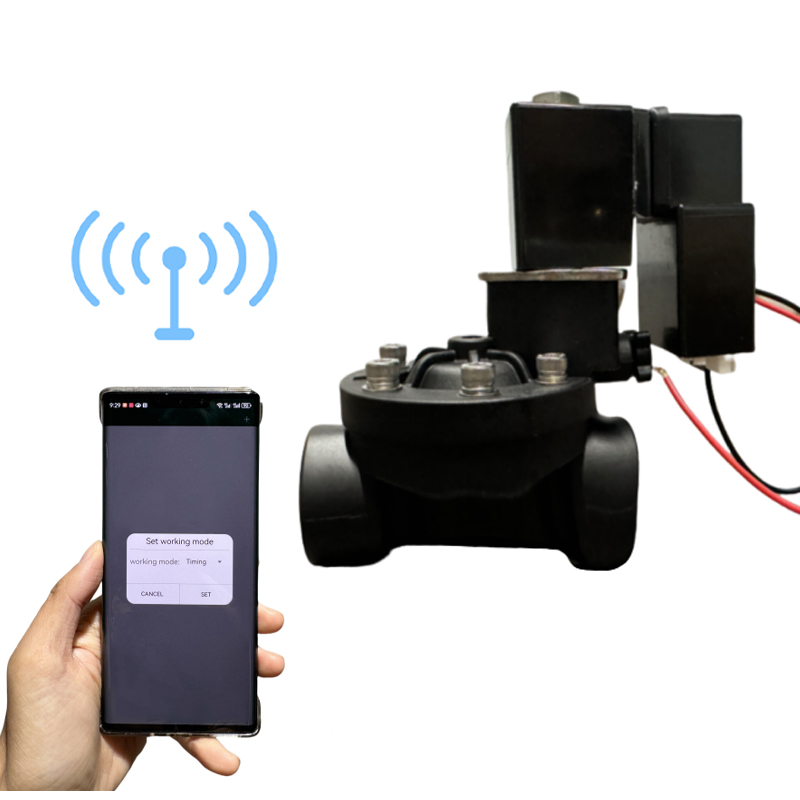
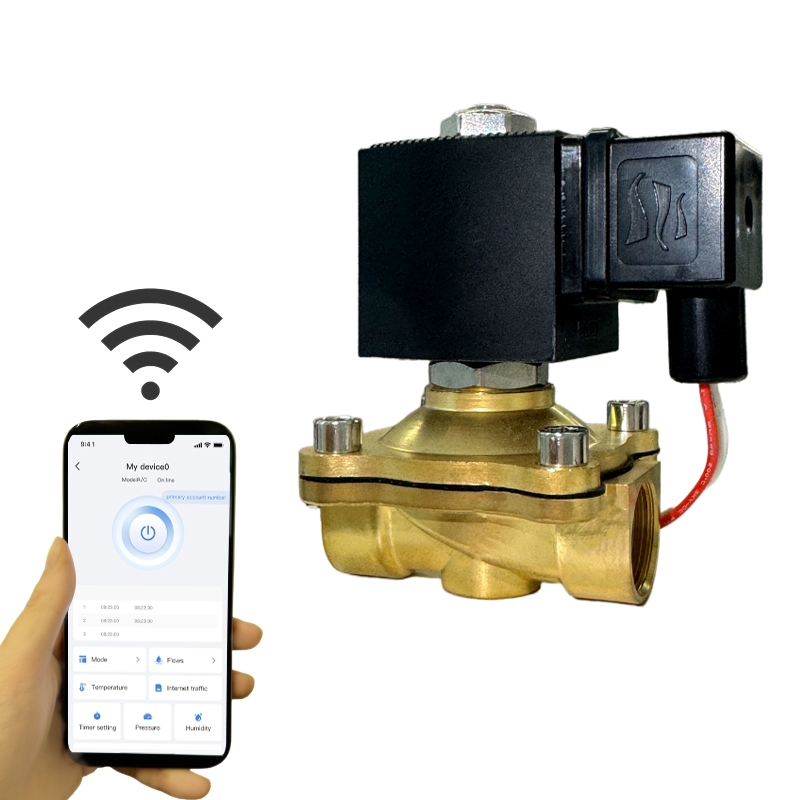
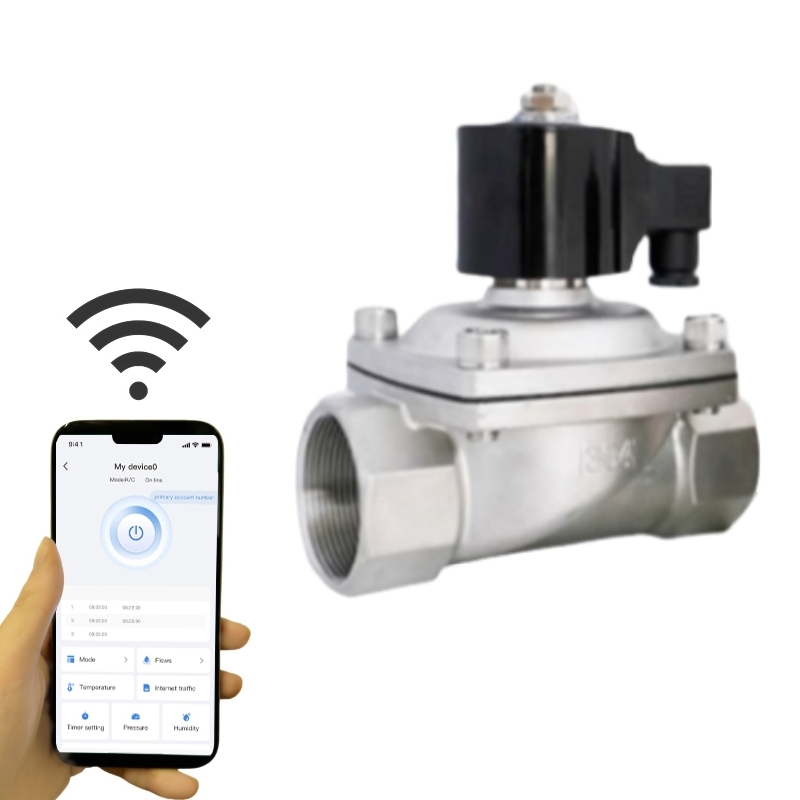
The next generation of solenoid valve technology integrates sensing, diagnostics, and adaptive control directly into the valve body. Several developments are already appearing in high-end industrial applications:
These capabilities are converging with broader Industry 4.0 infrastructure, positioning solenoid valves as active data sources within digital twin models rather than passive actuators. The efficiency gains from closed-loop adaptive control — adjusting actuation parameters in real time based on process conditions — are expected to push system-level energy savings well beyond what hardware improvements alone can achieve.
When evaluating solenoid valves with energy efficiency and performance optimization as primary criteria, engineers should verify the following parameters before specifying:
Prioritizing these specifications over purchase price alone consistently delivers lower total cost of ownership across the full valve service life, particularly in high-cycle or continuously energized applications where energy and maintenance costs dominate.



Copyright © 2025 Alahot (zhejiang) Technology Co., Ltd.
All Rights Reserved.
OEM/ODM Electric Solenoid Valves Manufacture
