


 English
 Español
News
Home / News / Solenoid Valve Solutions / NC vs NO 2-Way Solenoid Valve: How to Choose the Right One for Your System
News
Content
Pick the wrong configuration between a normally closed (NC) and normally open (NO) 2-way solenoid valve, and the system may behave correctly 99% of the time — and fail catastrophically during the 1% that matters: a power outage, an emergency stop, or an unplanned fault. The decision isn't about which valve works when energized. It's about which fail state is safer for your application.
A 2-way solenoid valve has exactly two ports — inlet and outlet — and two positions: open or closed. When the coil receives an electrical signal, a plunger moves to either open or block the orifice, controlling whether fluid or gas passes through. Remove the power, and the valve returns to its default position.
That default position is the entire point of the NC/NO designation. The "normally" in the name always refers to the de-energized state. Engineers often confuse this by focusing on what the valve does when powered, but the critical question is: what does it do when power is absent?
2-way direct acting solenoid valves operate at zero differential pressure, making them reliable even when the system pressure drops to zero — a key advantage over pilot-operated designs in unpredictable or low-pressure environments.
An NC solenoid valve stays shut when de-energized. The plunger is spring-loaded against the orifice seat, blocking flow. When the coil is energized, the magnetic field pulls the plunger back, opening the passage. Cut the power, and the spring closes it again.
Choose NC when stopping flow is the safer outcome during a power failure. This is the most common configuration across industrial systems — and for good reason. If a line ruptures, a controller fails, or a breaker trips, you want the valve to default to closed rather than allow uncontrolled flow.
NC valves are the standard choice for:
One practical note: using an NC valve for applications that require the valve to stay open for long periods increases energy consumption and coil heat. The coil must remain continuously energized to keep the valve open. For those scenarios, a normally open valve or a latching pulse solenoid valve that holds position without continuous power is often the smarter choice.
An NO solenoid valve does the opposite — it passes fluid freely when de-energized, and closes only when the coil is energized. This makes it energy-efficient for applications where flow must run continuously, and the valve only needs to shut temporarily.
Choose NO when maintaining flow during a power failure is the safer outcome. If stopping flow creates a bigger hazard than allowing it to continue, NO is the correct configuration.
Common NO applications include:
The trade-off: an NO valve is not suitable as an end-of-line shut-off valve. If you need to stop flow and keep it stopped as a default, NO is the wrong fit — even if it does the job when energized.
| Feature | Normally Closed (NC) | Normally Open (NO) |
|---|---|---|
| De-energized state | Closed (no flow) | Open (flow passes) |
| Energized state | Open (flow passes) | Closed (no flow) |
| Power use during flow | Continuous energization required | No power needed |
| Fail-safe behavior | Stops flow on power loss | Maintains flow on power loss |
| Typical use | Shut-off, isolation, on-demand dosing | Cooling, fire safety, continuous supply |
| End-of-line shut-off | Yes | No |
Both NC and NO configurations are available across multiple body materials, and material choice is just as important as configuration. Each serves a different environment:
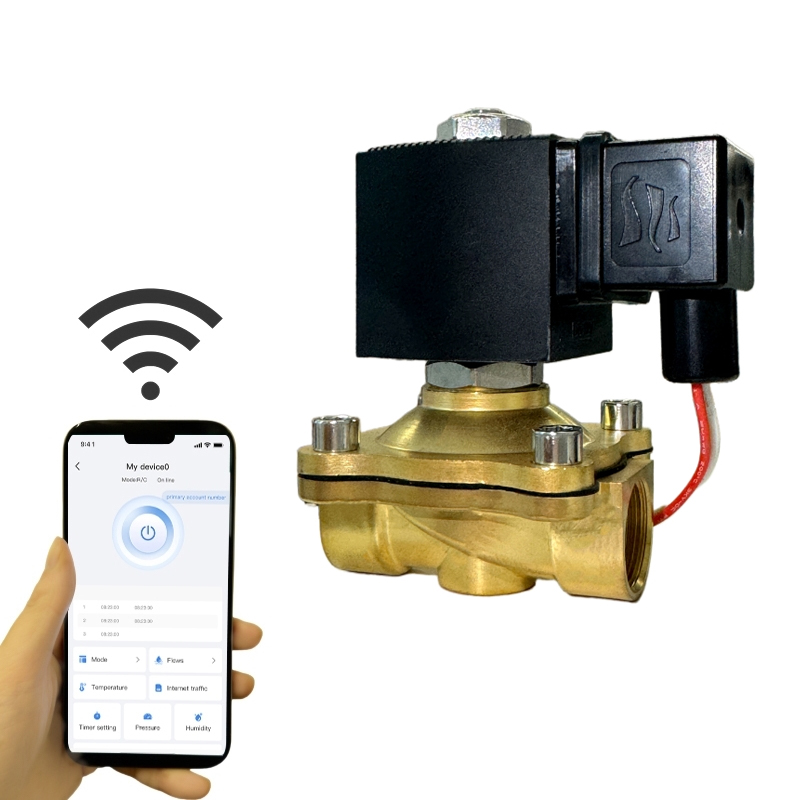
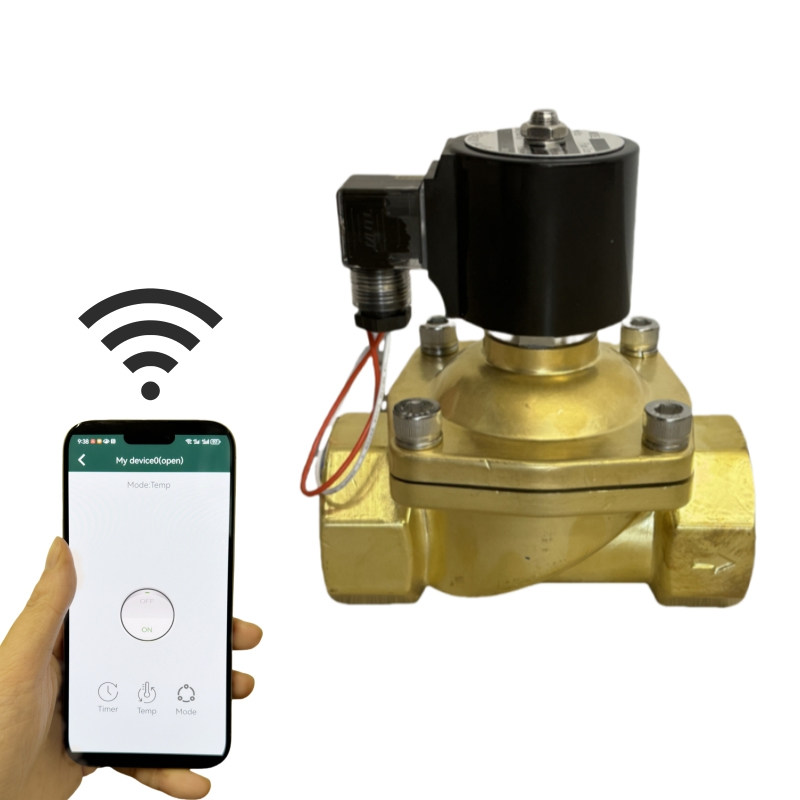
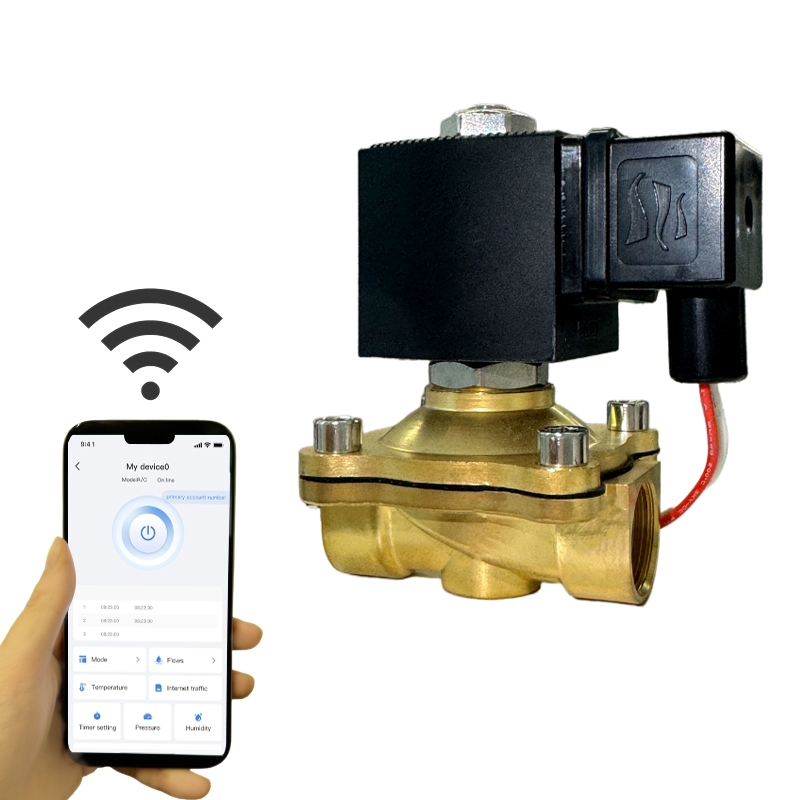
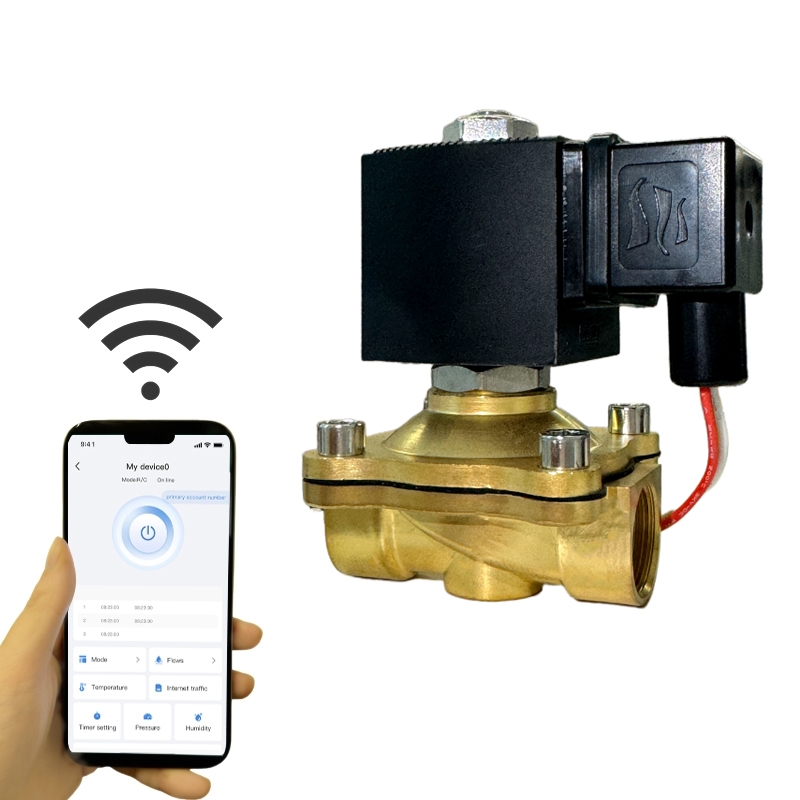
Brass is the workhorse of the industry — cost-effective, durable, and suitable for water, air, and light oils up to moderate temperatures. The brass 2-way direct acting solenoid valve covers most HVAC, irrigation, and general industrial applications.
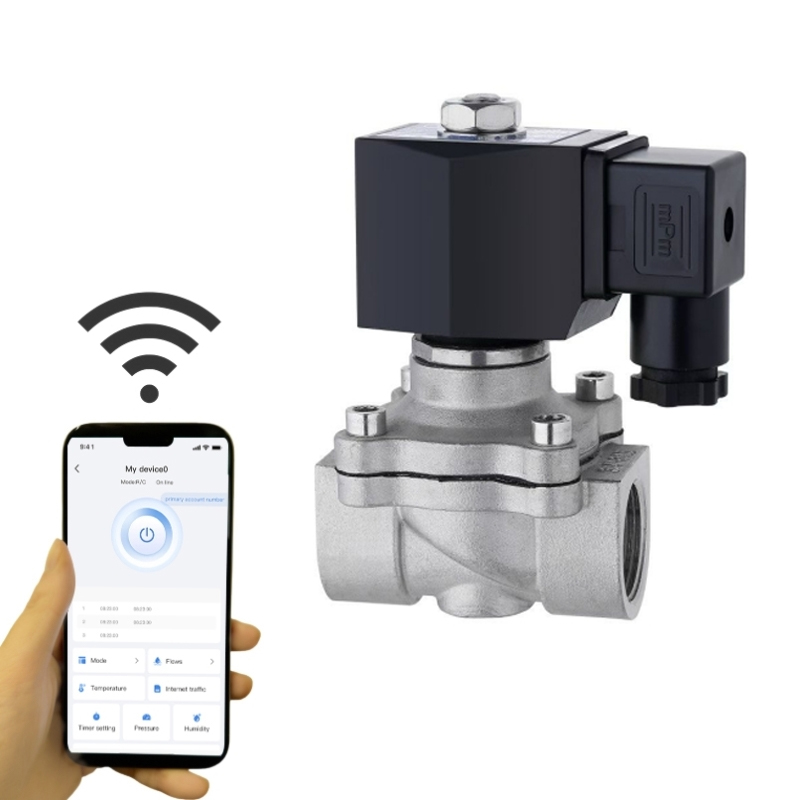
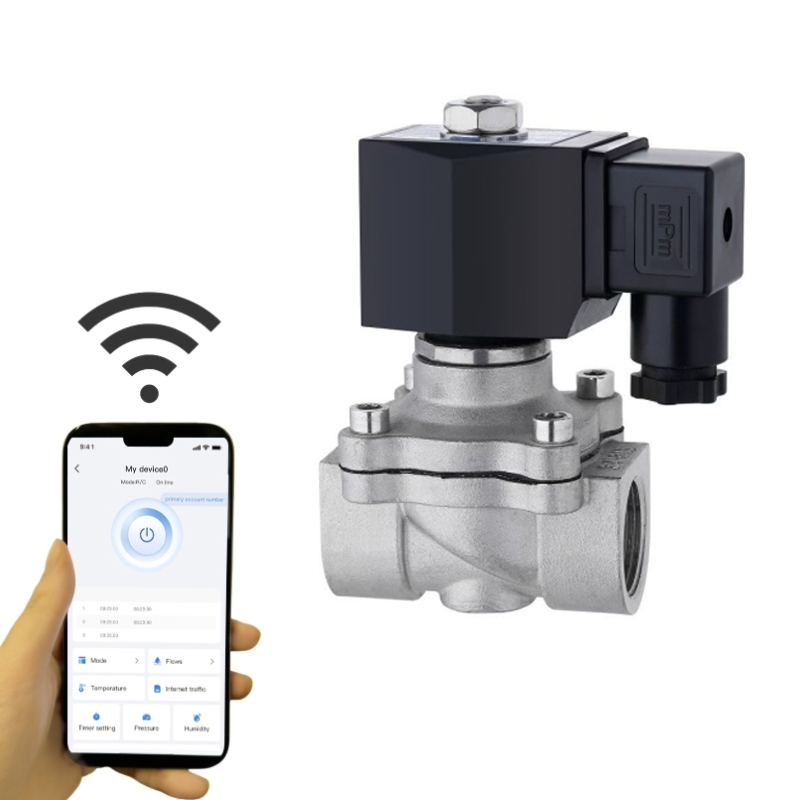
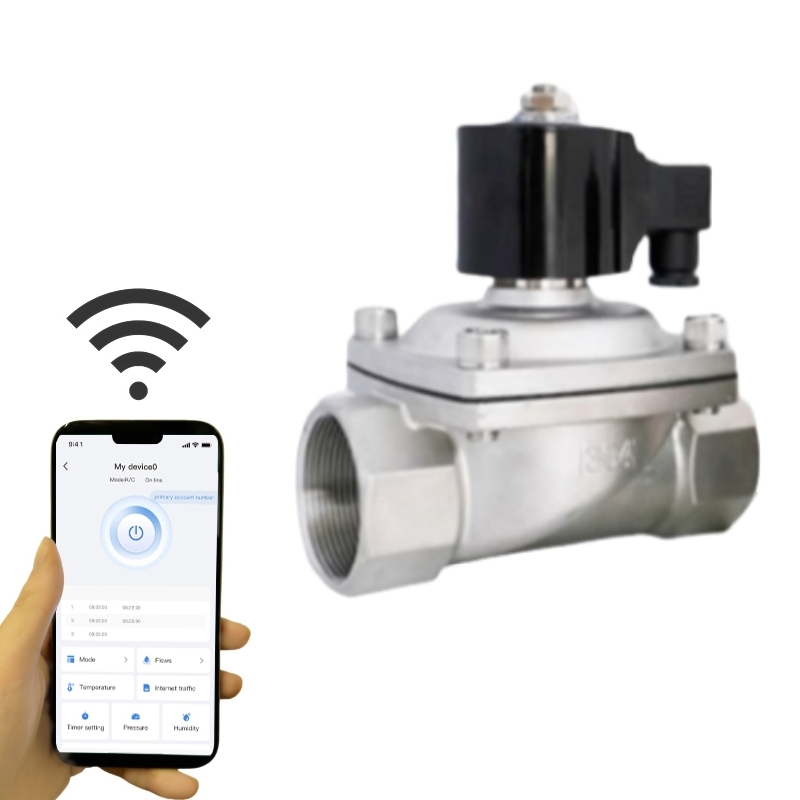
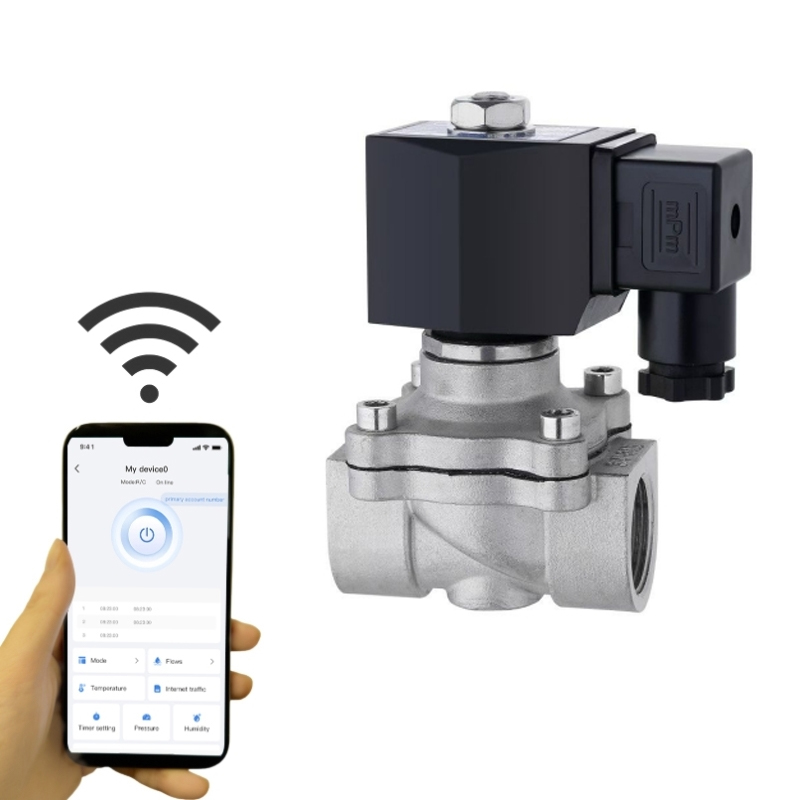
Stainless steel (304 or 316) is the choice for corrosive media, food-grade applications, high pressures, and elevated temperatures. The stainless steel 2-way direct acting solenoid valve handles demanding conditions that would degrade a brass body over time.
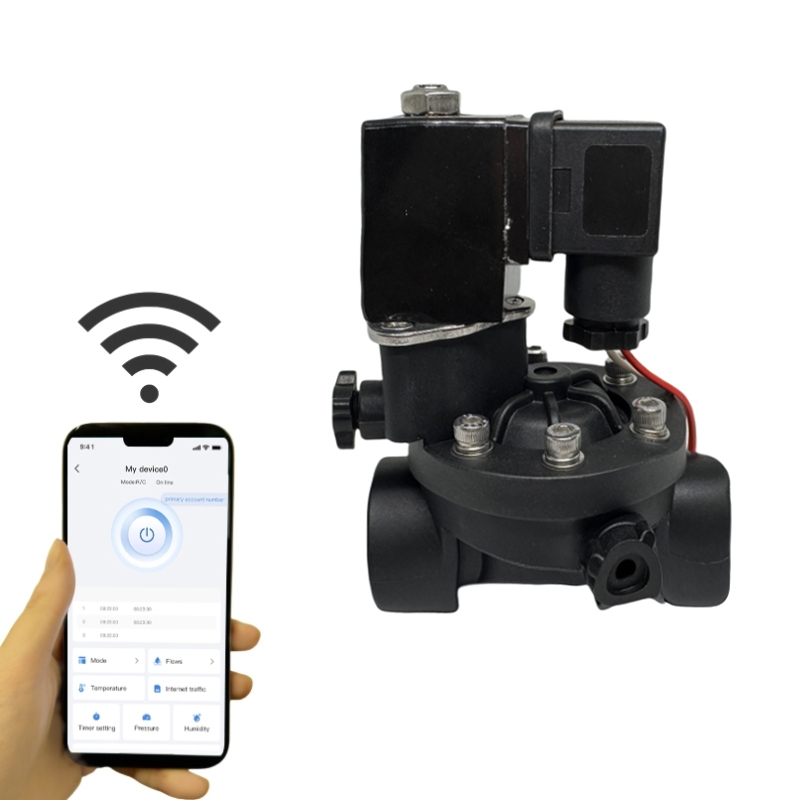
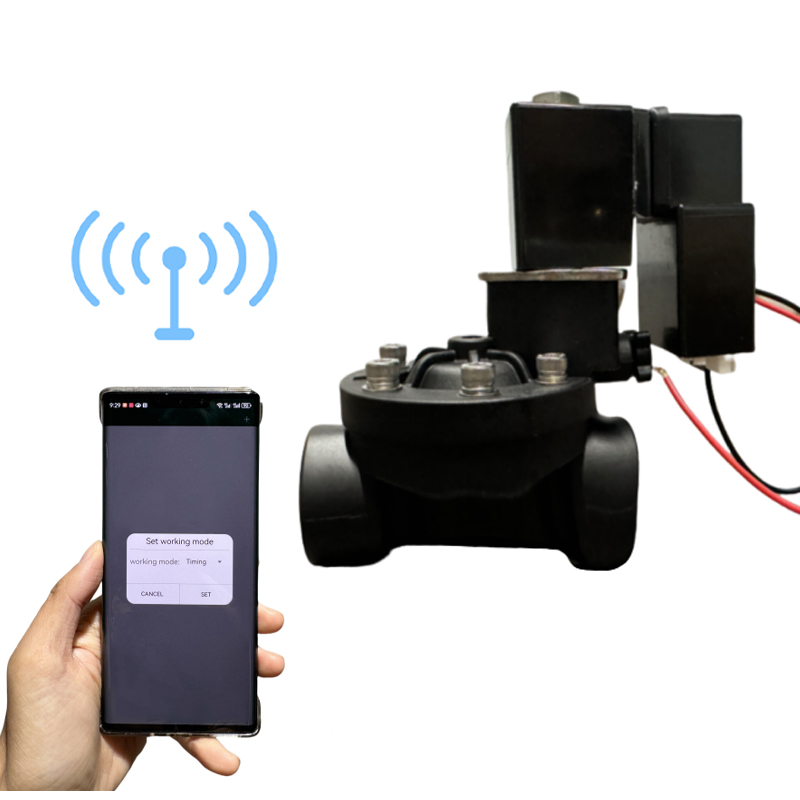
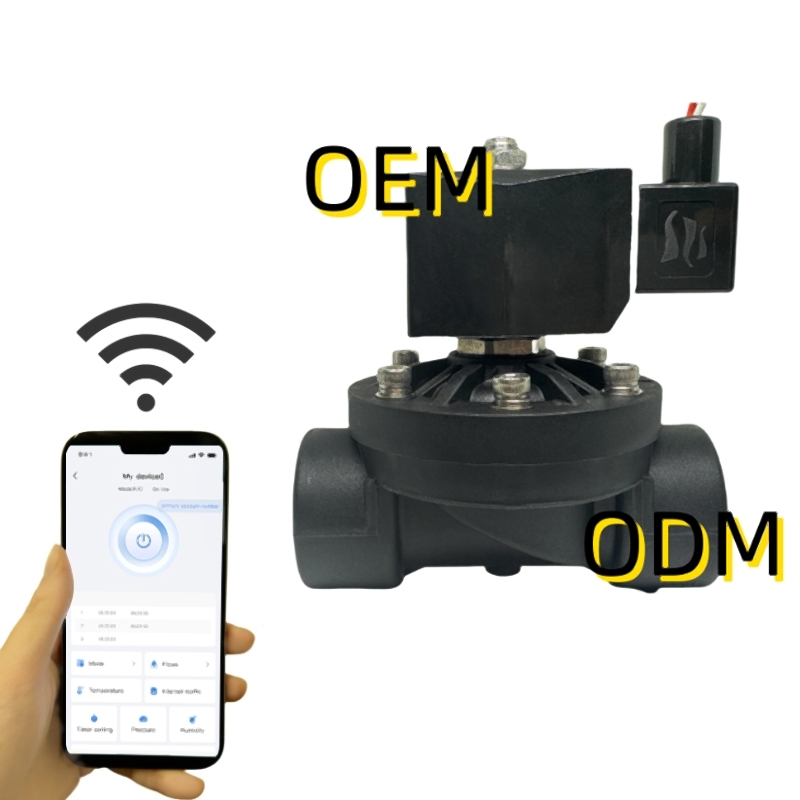
Nylon/plastic offers chemical resistance for lighter, cooler media — particularly useful in applications where weight matters or where metallic contamination is a concern. The nylon plastic 2-way direct acting solenoid valve suits low-pressure chemical and irrigation lines well.
Seal material matters equally: NBR for air and general water, EPDM for steam and hot water, FKM (Viton) for oils and fuels, PTFE for aggressive chemicals. Confirm the seal spec — not just the body material — before ordering.
Every NC vs NO decision reduces to a single question: which condition is more dangerous — flow or no flow? If stopping flow is safer when power is lost, choose NC. If maintaining flow is safer, choose NO.
A secondary consideration: if the valve will be energized for most of its operating life (open state holds for hours), continuous coil heat and energy draw from an NC valve may shorten coil lifespan. In those cases, evaluate whether a latching valve — which uses a pulse to switch position and then holds without any power — is a better long-term solution.
For applications across solar irrigation, portable medical equipment, IoT automation, and battery-powered systems, ultra-low power consumption becomes a critical spec alongside the NC/NO decision. Direct acting designs operating below 1W eliminate coil heating while maintaining the same switching reliability, making them suitable where conventional solenoid valves would drain a battery in hours rather than months.



Copyright © 2025 Alahot (zhejiang) Technology Co., Ltd.
All Rights Reserved.
OEM/ODM Electric Solenoid Valves Manufacture
