


 English
 Español
News
Home / News / Solenoid Valve Solutions / Pulse Solenoid Valves: Working Principles, Selection Criteria, and Buying Guide
News
Content
Picture a dust collector at a cement plant: hundreds of diaphragm pulse valves fire short blasts of compressed air to knock filter cake off the bags. A few meters away, an irrigation integrator is wiring a different kind of pulse valve into a solar-powered field controller, where every milliampere counts and a continuously energized coil would flatten the battery before harvest. Both teams type the same search term, "pulse solenoid valves," but they are looking for different hardware.
The phrase covers two distinct valve families: pilot-operated diaphragm valves that release air pulses for filter cleaning, and latching solenoid valves that switch with a brief electrical pulse and hold their position with zero holding current. Choosing the wrong family is a common and expensive mistake. This guide explains how each type works, where it belongs, and what to verify before you commit to a purchase.
In the filter-cleaning world, a pulse valve is usually a diaphragm valve with a small pilot solenoid on top. When the pilot opens, upstream compressed air fills the diaphragm chamber, lifts the diaphragm, and releases a short, high-energy air blast into the filter bag. These valves are common in cement, ceramics, paint lines, thermal power plants, concrete batch plants, glass production, and steel processing — anywhere dry dust collection is required. The pilot solenoid is the component that consumes electricity; the diaphragm does the heavy work.
In fluid-control systems, a pulse solenoid valve means something different. It is a latching valve that changes state only when it receives a controlled electrical pulse. Permanent magnets or a second coil keep the armature in its last position, so the valve holds open or closed indefinitely with no coil current. That is why these valves are also described as zero-power latching solenoid valves. The practical difference is large: a conventional coil drawing 6 to 20 W continuously is replaced by a pulse drawing the same power for 50 to 200 milliseconds, then nothing.
The most obvious benefit is energy consumption. For battery-powered irrigation, remote telemetry, or solar-driven installations, the difference between 8 W continuous and a few millijoules per cycle is the difference between a battery that lasts one week and one that lasts an entire growing season. Latching valve documentation for battery-driven designs is built entirely around this principle.
For these reasons, latching pulse valves are now the default in off-grid irrigation and energy-retrofit projects where valves must hold a setting for hours or days without attention. For exposed outdoor valve boxes, a plastic-bodied latching valve avoids corrosion and keeps switching weight low.
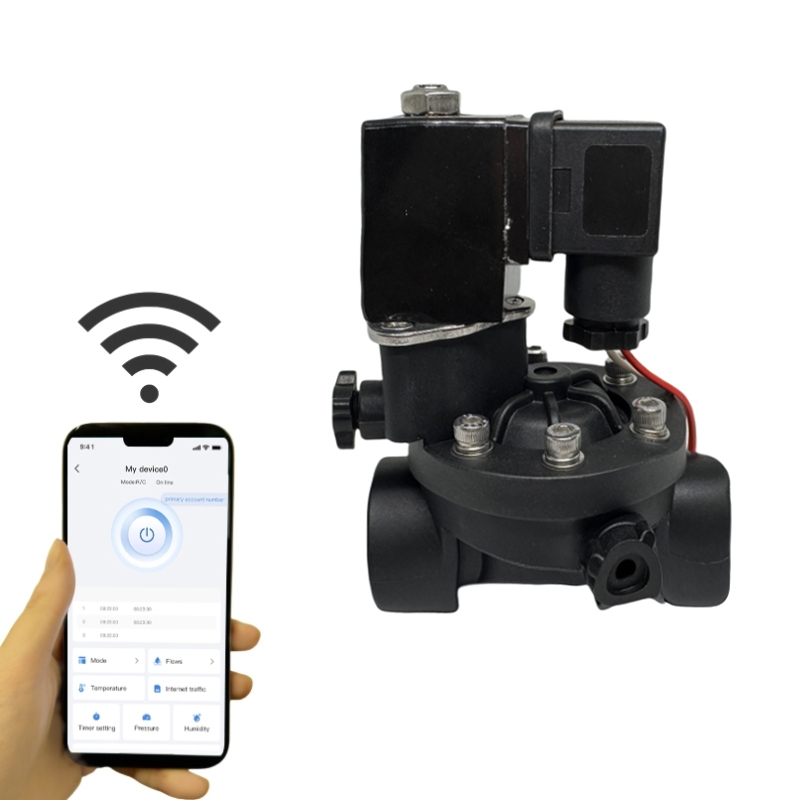
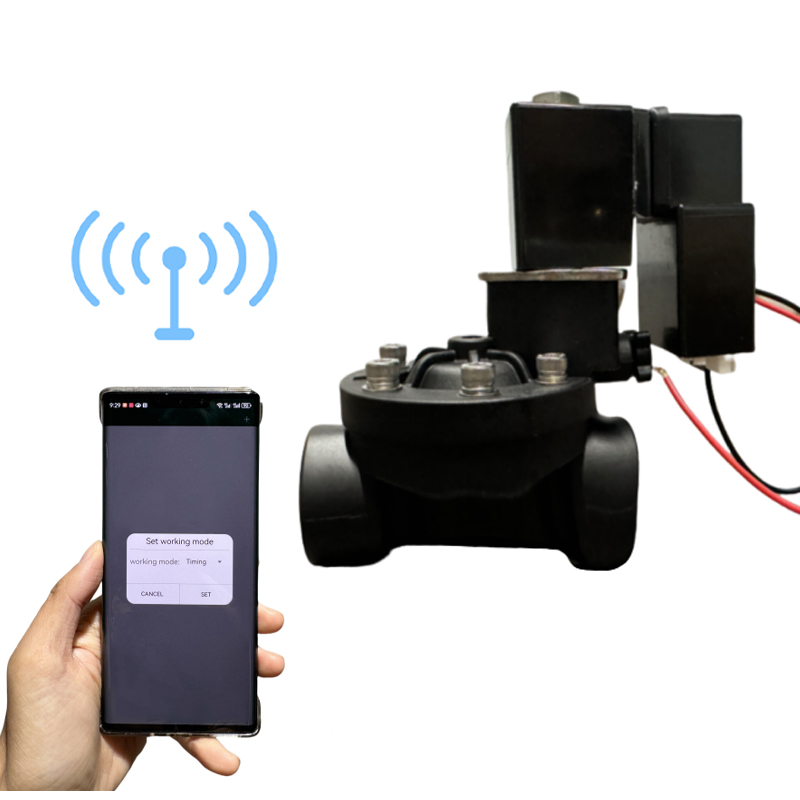
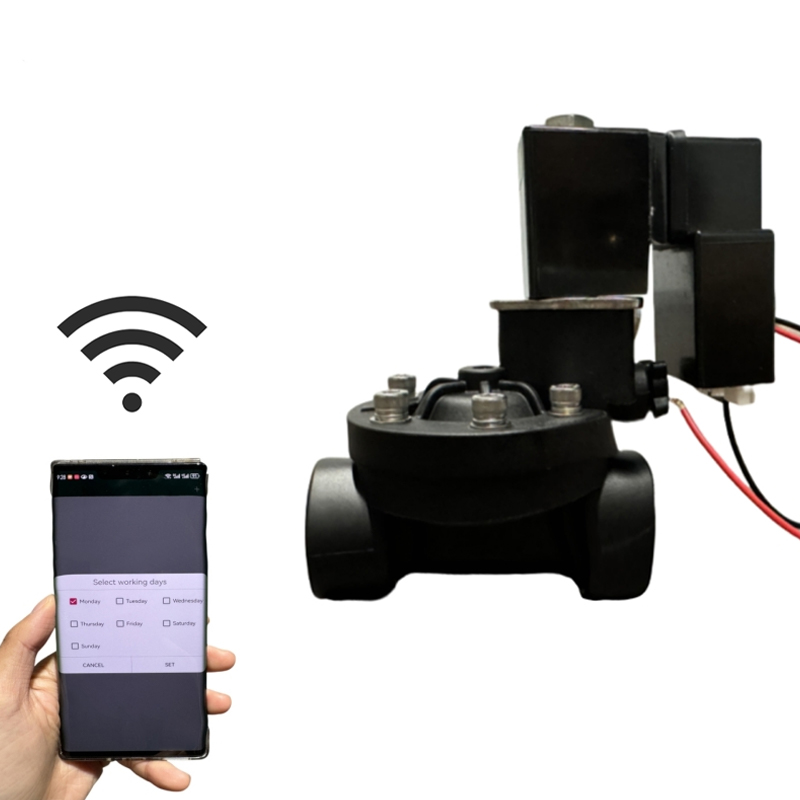
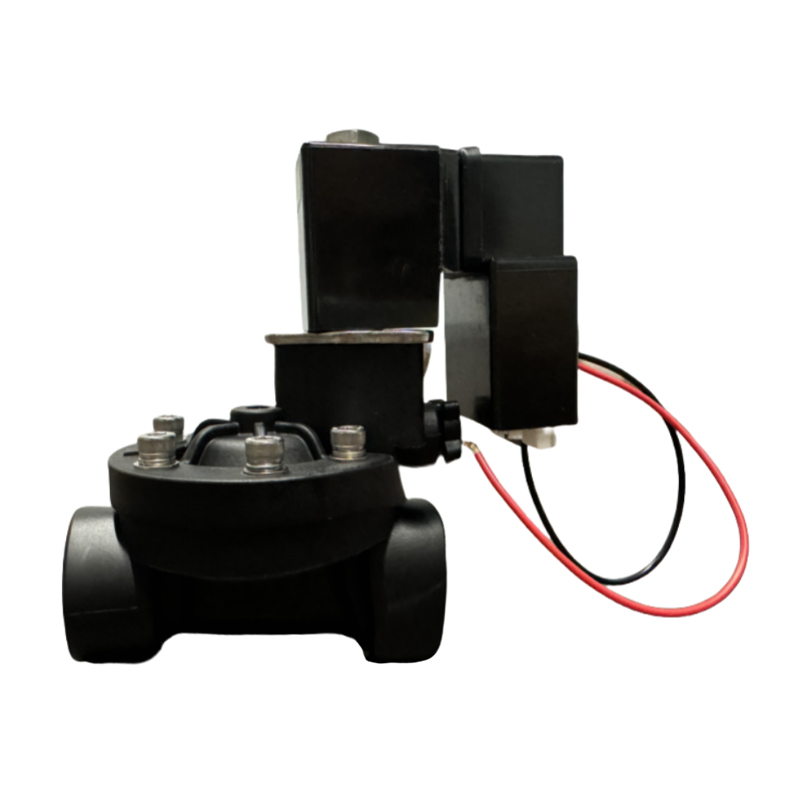 Plastic Latching Solenoid Valve with Integrated Auto-ResetThis plastic-bodied latching valve suits outdoor irrigation boxes and energy-retrofit projects, combining corrosion resistance with ultra-low power consumption and a standard DIN43650 interface for easy installation.View Product →
Once you know you need a latching pulse valve, the next decision is the number of stable states. A bistable valve keeps both open and closed positions when de-energized: a positive pulse opens it, and a reverse or second pulse closes it. A single-stable pulse valve has one default state — usually closed — and relies on an internal reset, so it returns to that default when the controller sends a reset condition or when power is reapplied. The choice affects wiring, driver electronics, and fail-safe behavior.
Bistable valves fit remote battery stations where the controller must move the valve in both directions and then go fully back to sleep. Single-stable layouts are simpler when the fail-safe state is always closed, or when a spring return at the beginning of a cycle is acceptable. Engineers comparing the two designs will find a detailed treatment of single-stable and bistable pulse solenoid valves useful before locking in the choice.
Both types share one requirement: the pulse must be long and strong enough to move the armature reliably, but short enough not to stress the coil. A driver board that outputs a clean, polarity-controlled pulse will dramatically improve cycle-to-cycle consistency.
Pulse valves earn their place where continuous power, heat, or frequent switching is a problem. Four situations dominate real-world specifications.
Field controllers in orchards, vineyards, and smart landscaping often run on 6 V, 9 V, or 12 V batteries charged by a small solar panel. A latching valve needs no holding current, so the controller can open or close each zone and then drop to near-zero standby draw. The same logic applies to drip systems, which operate at low pressure and benefit from a valve that seals reliably even when the differential across the seat is small.
Closed-loop HVAC systems benefit from latching valves on zone circuits and mixing loops: the valve holds a zone open without pulling power and without heating the valve body. Brass-bodied versions handle the higher working pressures and temperatures of boiler and heat-pump circuits, and they resist the corrosion that appears in closed water loops.
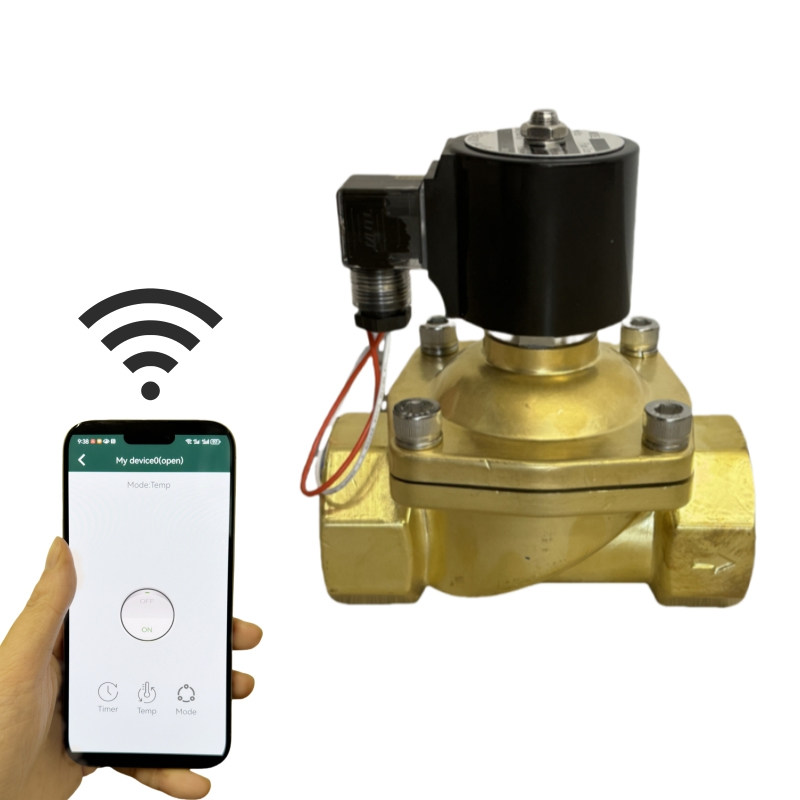
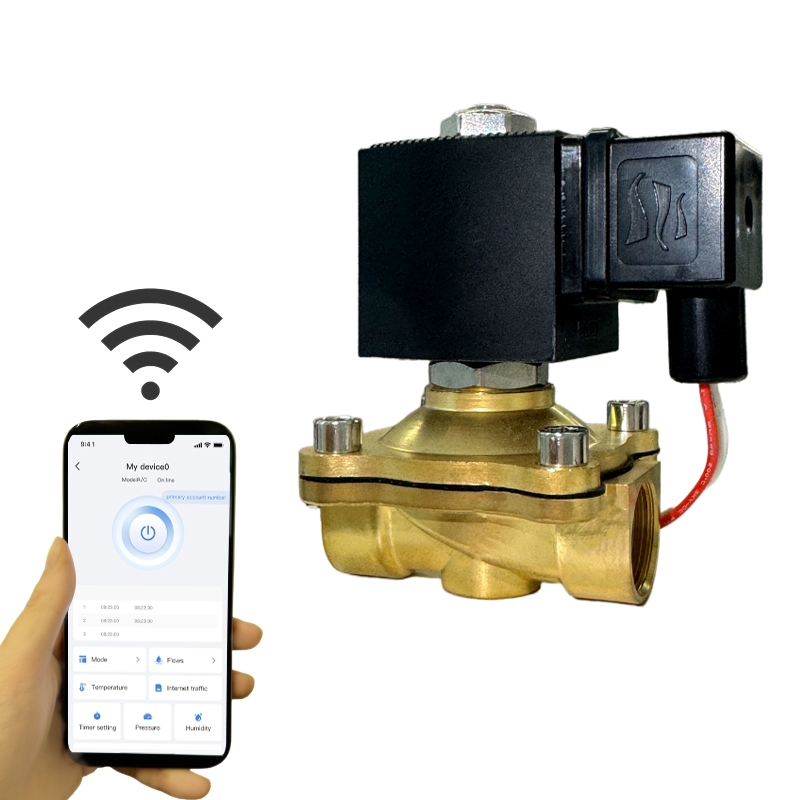
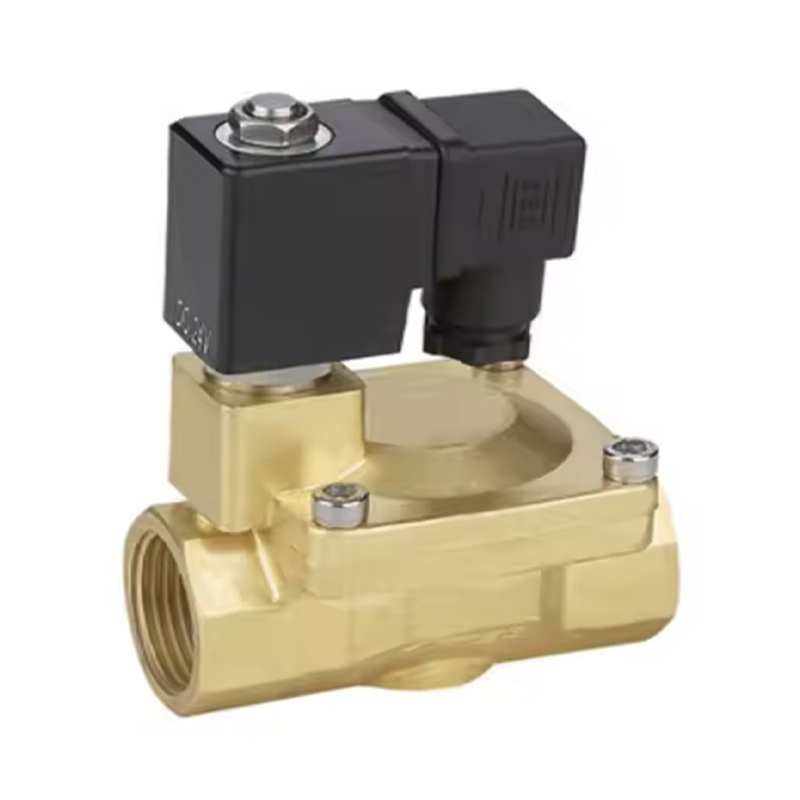 Brass Pulse Solenoid Valve for HVAC and Water CircuitsFor closed-loop HVAC and boiler circuits, this brass-bodied latching valve handles higher pressures and temperatures while holding without power draw or coil heating, making it a reliable choice for zone and mixing loops.View Product →
On baghouses and reverse-pulse filters, the pulse valve must open fast, deliver a consistent air blast, and seal with zero leakage between pulses. Here the specification focuses on diaphragm stroke, pressure differential, and valve seat quality more than on coil power — a good reminder that "pulse valve" in an industrial filter context maps to a different product line than a latching fluid valve.
Replacing continuously energized coils with latching valves is a straightforward energy-saving retrofit in factories, water treatment plants, and process skids. When the media are corrosive or the environment is humid, stainless steel pulse valves resist rust and chemical attack much longer than plated versions. For marine, food-processing, or outdoor installations, 304 stainless construction is the safer procurement choice.
Comparing pulse valves is easier when you separate the fluid-side specs from the electrical side. On the fluid side, check body material, port size, pressure range, and flow coefficient. On the electrical side, check coil voltage, pulse duration, coil resistance, and peak current. A valve that latching-holds at zero power still needs a properly shaped drive pulse; voltage drops caused by long cables are one of the most common causes of intermittent switching.
| Characteristic | Standard Solenoid Valve | Latching Pulse Valve | Diaphragm Pulse Valve |
|---|---|---|---|
| Holding power | 6–20 W continuous | Zero after pulse | Pilot coil only |
| Heat generation | High | Negligible | Low |
| Battery-friendly | Poor | Excellent | Moderate |
| Fail-safe behavior | Depends on NC/NO | Holds position or resets | Depends on pilot logic |
| Main applications | General fluid control | Remote and battery systems | Baghouse filter cleaning |
For body material, the rule of thumb is simple: brass offers a strong balance of pressure rating and cost for water and HVAC media; plastic adds chemical resistance and light weight for irrigation and outdoor valve boxes; stainless steel justifies itself in corrosive, marine, food-contact, or extreme-duty environments. Differential pressure is another trap: some pilot-operated constructions require a minimum pressure drop to reseat correctly, while direct-acting latching designs switch reliably at zero differential, an advantage in low-pressure gravity-fed systems.
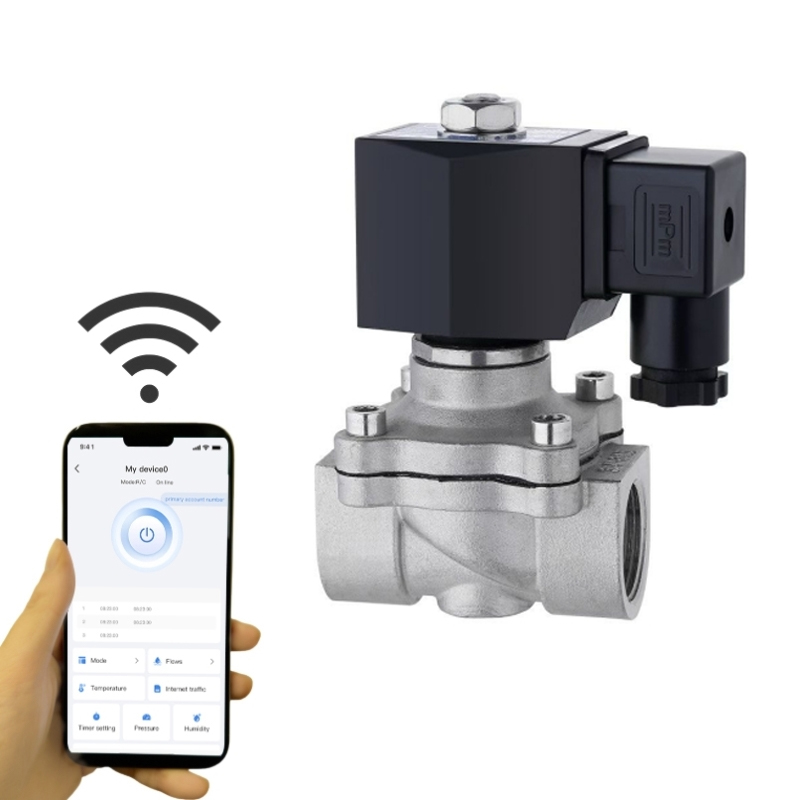
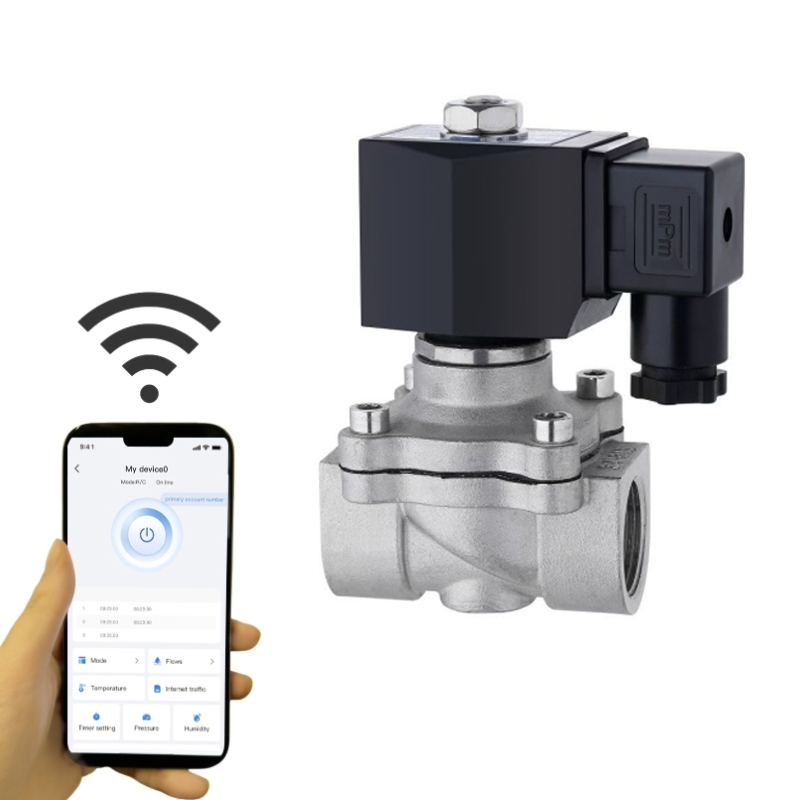
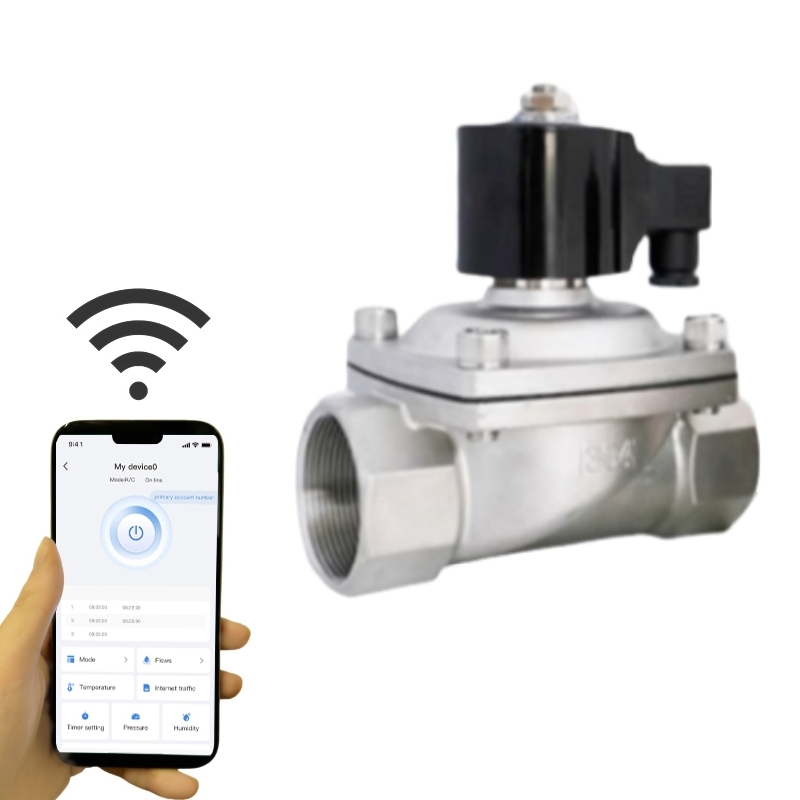
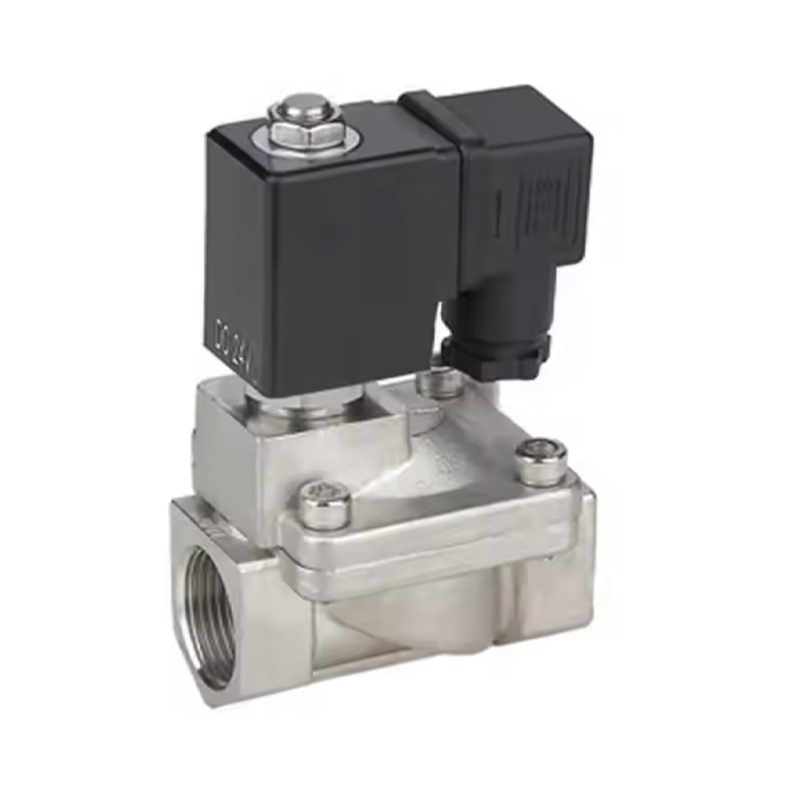 Stainless Steel Pulse Solenoid Valve for Corrosive EnvironmentsWith stainless steel construction, this latching valve resists corrosion and suits marine, food-contact, or extreme-duty uses, while maintaining low-power pulse operation and reliability at zero differential pressure.View Product →
Finally, ask about cycle-life testing. A reputable manufacturer should provide a documented cycle count, not just a datasheet number. Delivery matters as well: if your project needs quick validation, a supplier that can ship the first sample in roughly two weeks lets you test the hardware before freezing the design. A manufacturer that integrates coil winding, fluid engineering, and driver electronics in one facility can close most specification gaps at the design stage instead of leaving them for field troubleshooting.
Field failures in pulse solenoid valves rarely come from the valve itself; they come from mismatched drivers, poor power supply design, or wrong media assumptions. These five issues account for most service calls.
Each of these risks is easier to eliminate before the valve is installed than after. Confirming the drive signal, the pressure window, and the environmental rating at the specification stage prevents most of what looks like "valve failure" in the field.
Pulse solenoid valves solve a narrow but important set of problems: filter cleaning that depends on fast, repeatable air blasts, and fluid control that must run on battery power without holding current. For the filter side, evaluate diaphragm speed, pressure differential, and seating quality. For the fluid side, evaluate latch reliability, pulse-drive compatibility, and material matching. When a manufacturer can provide sample hardware quickly and document cycle life, you move from datasheet confidence to design confidence.



Copyright © 2025 Alahot (zhejiang) Technology Co., Ltd.
All Rights Reserved.
OEM/ODM Electric Solenoid Valves Manufacture
