


 English
 Español
News
Home / News / Solenoid Valve Solutions / Smart App WiFi Solenoid Valves for Home and Industrial Systems
News
Content
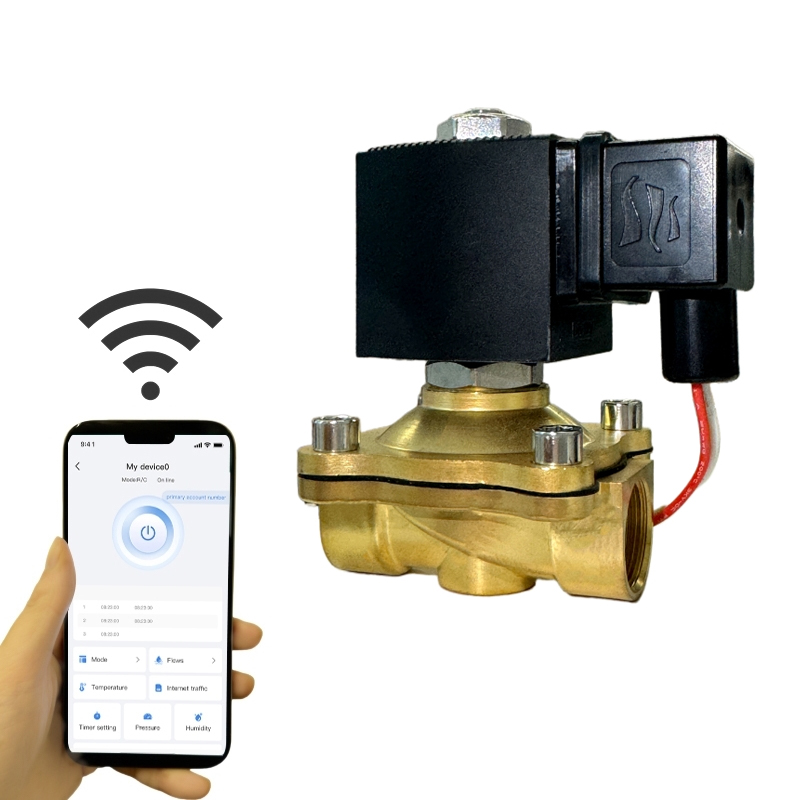
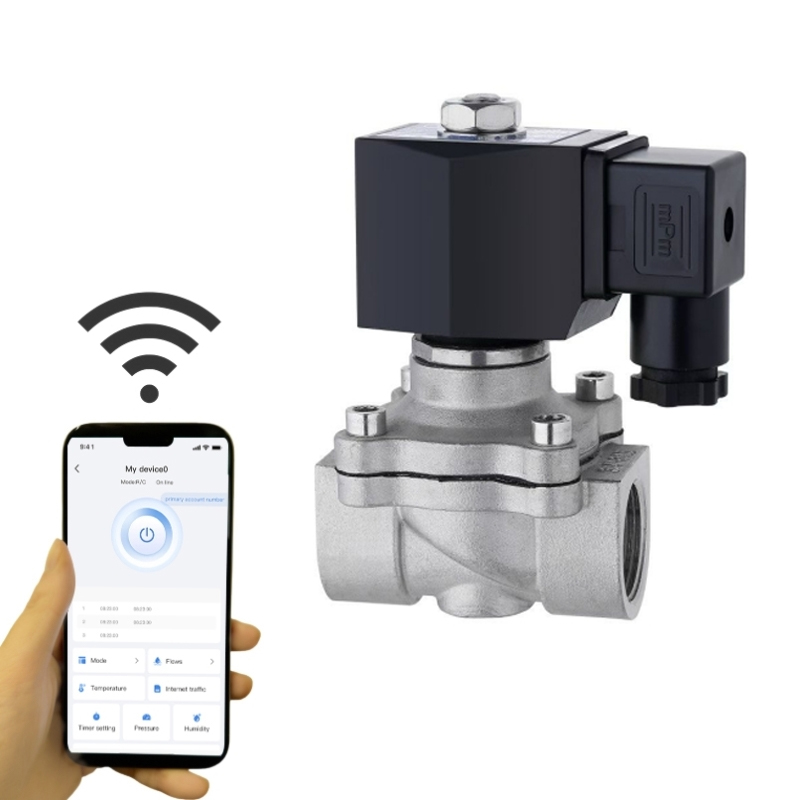
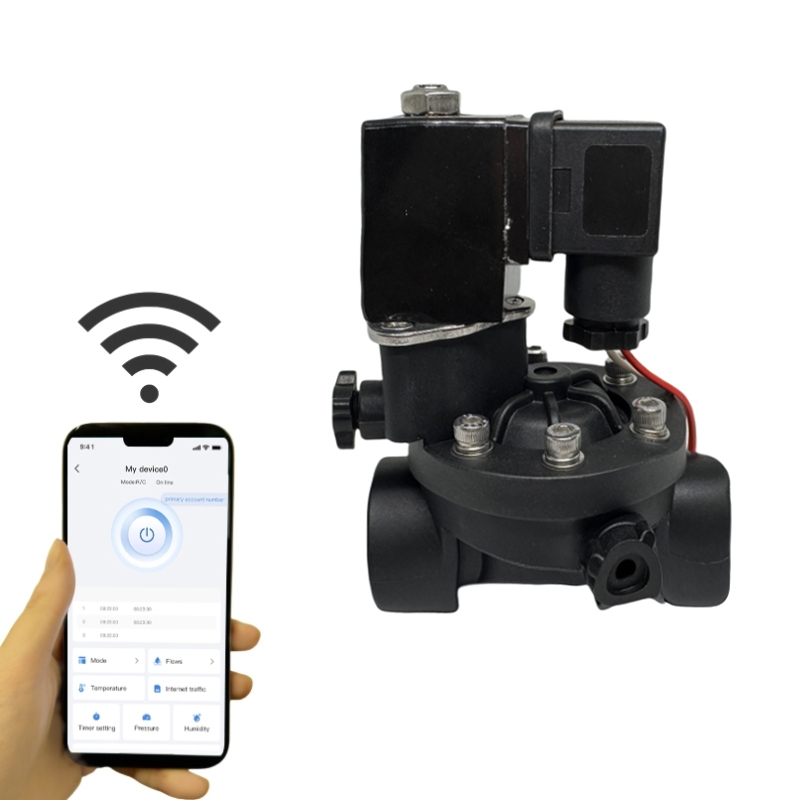
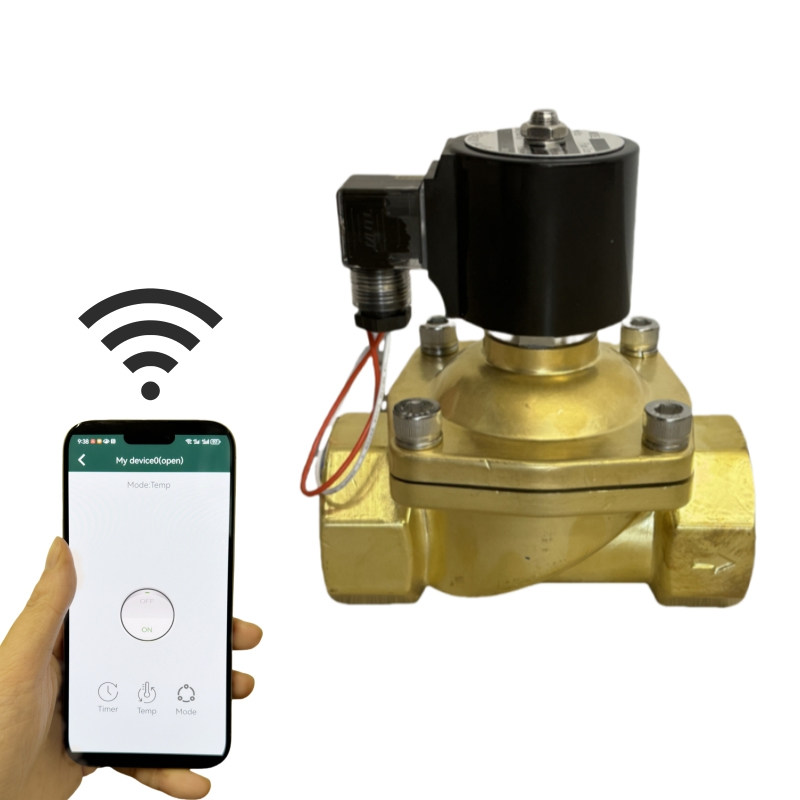
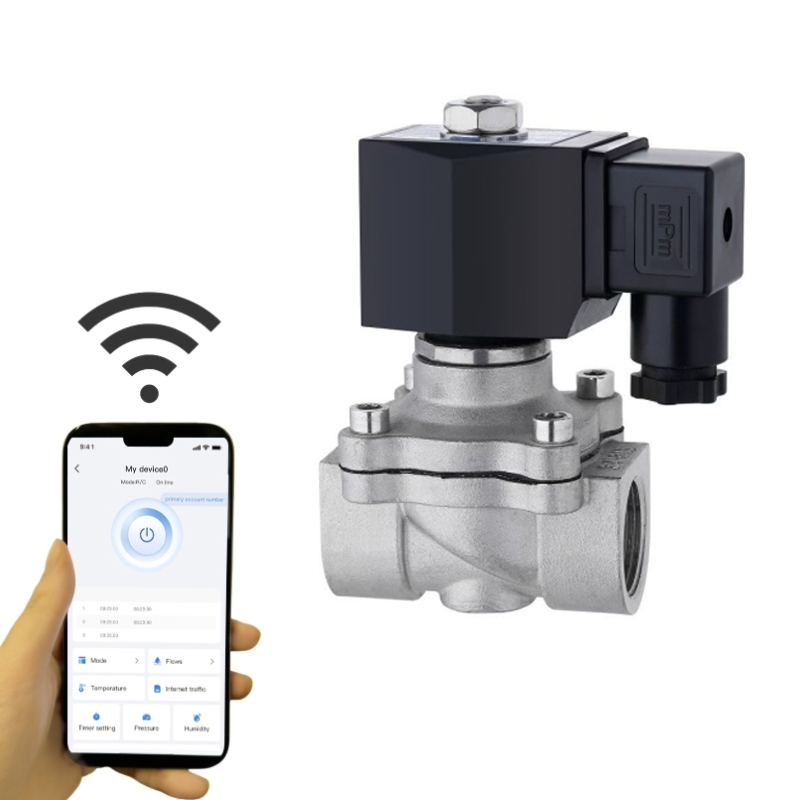
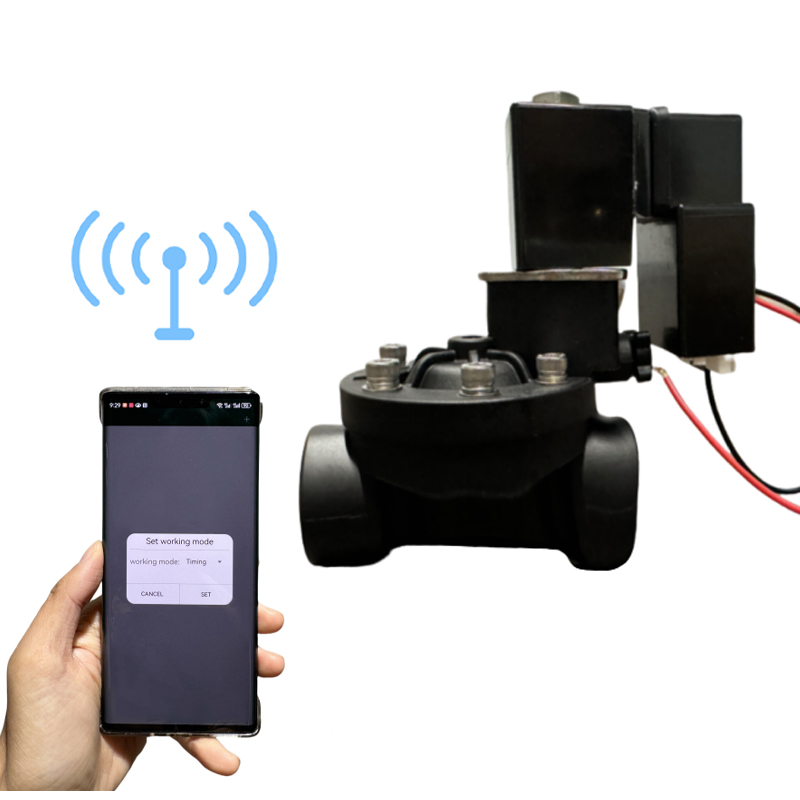
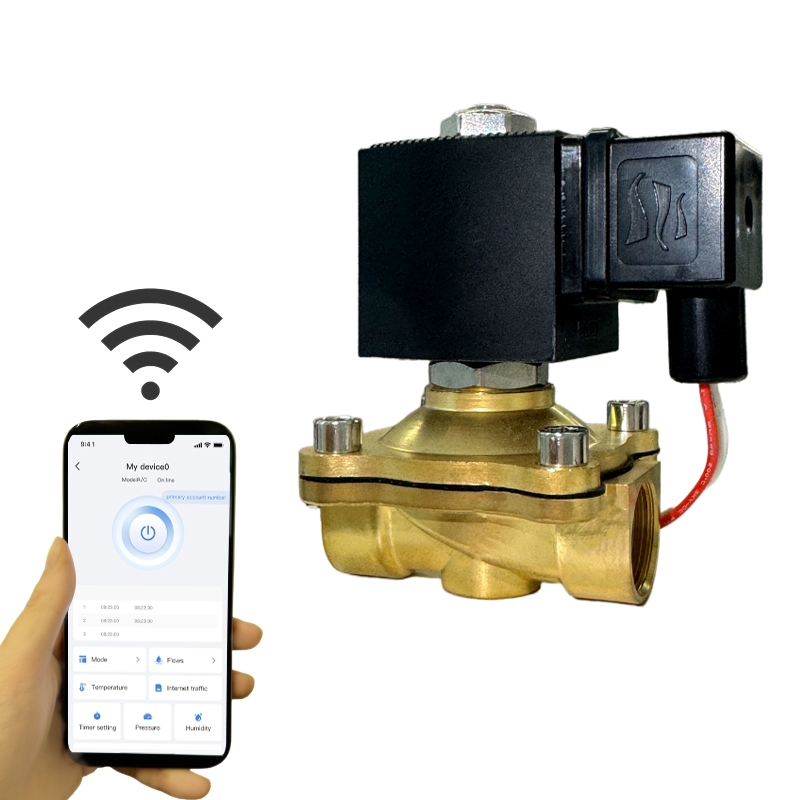
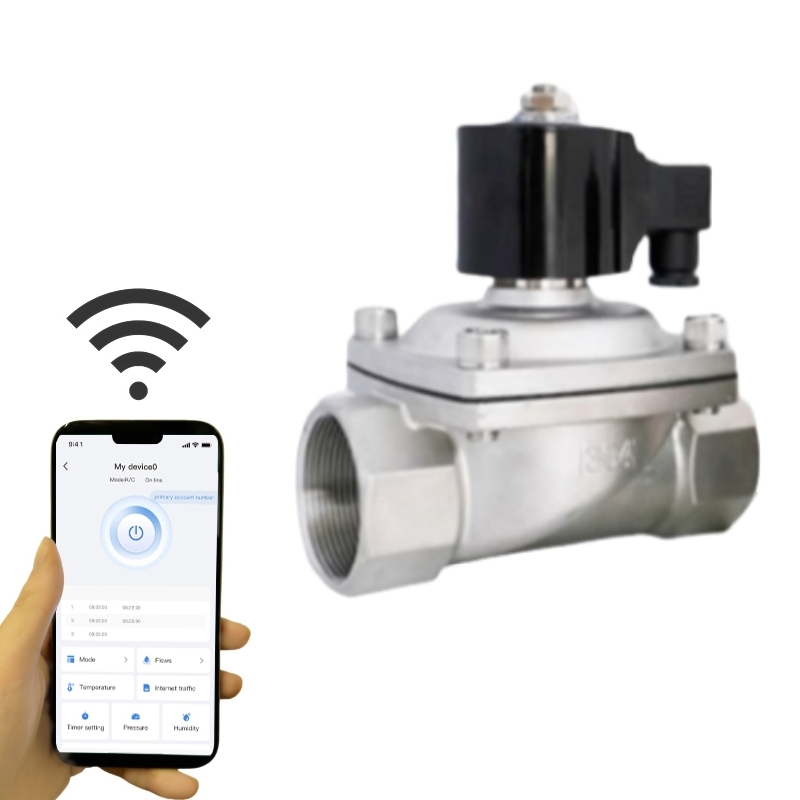
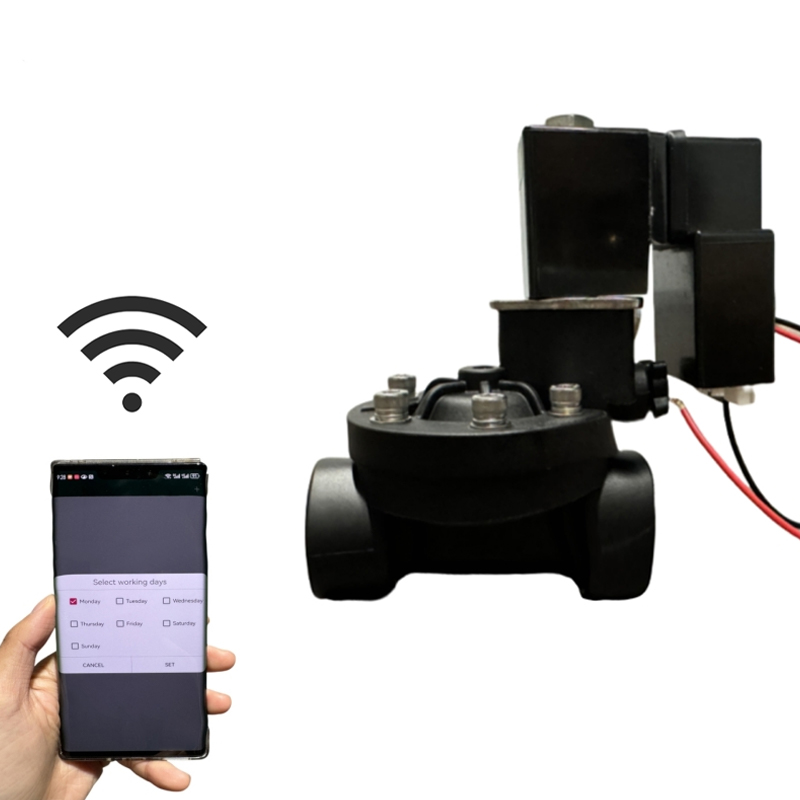
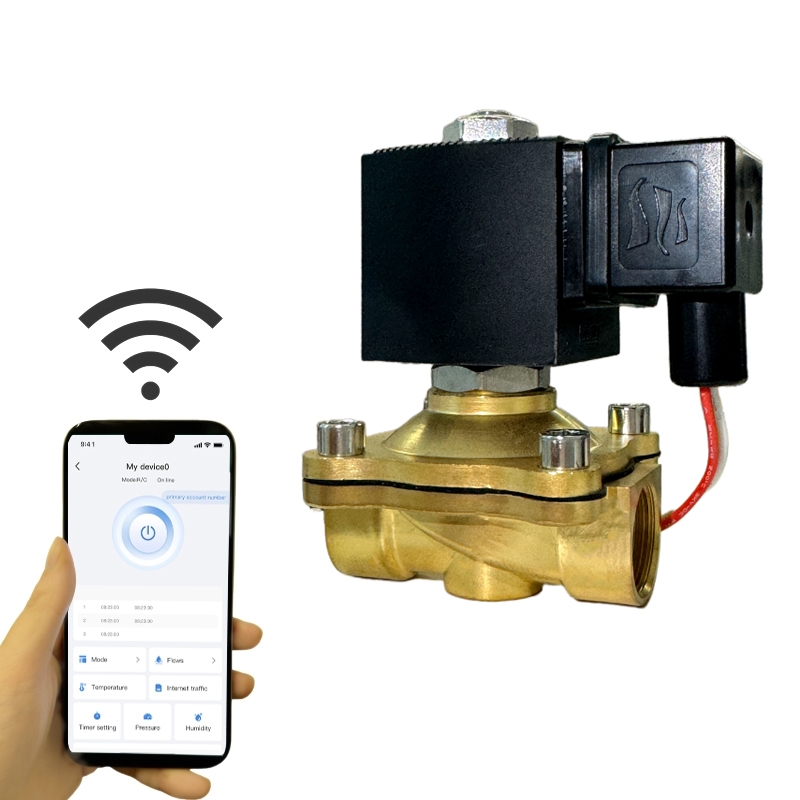
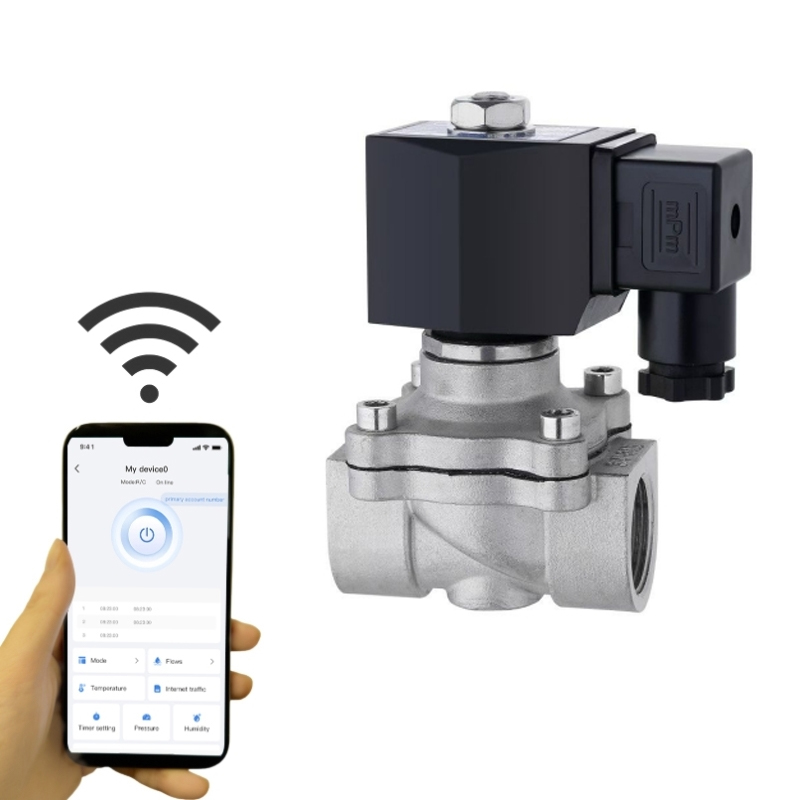
A solenoid valve is an electromechanical device that opens or closes a fluid pathway using a magnetic coil. A smart app WiFi solenoid valve adds wireless connectivity to that mechanism, allowing users to control water, gas, or air flow remotely through a smartphone application — without any physical access to the valve itself.
The difference from a conventional solenoid valve is significant. Traditional models require a local control panel or manual switching. WiFi-enabled valves connect directly to a home or industrial router (typically 2.4 GHz), register on a cloud platform, and become accessible from anywhere in the world via a dedicated app systems.
This shift from hardwired control to app-based management is not a cosmetic upgrade. In residential irrigation alone, studies show that smart irrigation controllers — including smart valves — reduce outdoor water use by an average of 15–20% compared to timer-based systems, according to the U.S. Environmental Protection Agency WaterSense program. In industrial settings, remote valve control reduces unplanned downtime and labor costs associated with on-site valve operation.
Understanding the internal workflow helps buyers choose the right valve and troubleshoot issues after installation.
When the solenoid coil is energized by an electrical signal — now triggered wirelessly — it creates a magnetic field that lifts or pushes a plunger inside the valve body. This plunger movement either opens or closes the fluid port. Two main configurations exist: normally closed (NC), which defaults to the sealed position when de-energized, and normally open (NO), which allows flow unless actively closed. Most home-use smart valves are NC for safety — power loss automatically stops flow.
The valve's onboard microcontroller connects to a local WiFi router. A command sent from the mobile app travels to a cloud server, which pushes the instruction to the valve via the MQTT or HTTP protocol. Round-trip latency is typically under 500 milliseconds on a stable connection. Most modern smart valves also support local LAN control, meaning they continue to function if internet access is disrupted — a critical requirement for industrial applications.
Beyond simple on/off commands, smart valve apps allow time-based schedules (e.g., open every day at 6:00 AM for 20 minutes), flow-trigger automation, and integration with external sensors. A soil moisture sensor, for example, can send a data signal that the app interprets to skip irrigation when ground saturation is already sufficient. In industrial systems, pressure sensors, flow meters, or PLC signals can replace manual triggers entirely.
Residential adoption of WiFi solenoid valves has grown sharply since 2020, driven by smart home ecosystems and water conservation regulations. The most impactful use cases include:
For home installations, 12V DC or 24V AC solenoid valves are the most common voltage ratings. Battery-powered variants with built-in WiFi modules are available for locations without nearby electrical outlets, typically offering 6–12 months of operation per charge depending on actuation frequency.
In industrial environments, the stakes are higher and the technical requirements more demanding. Smart WiFi solenoid valves are deployed in:
Dosing systems require precise, repeatable valve timing. WiFi-enabled valves integrated with flow meters and app-based dosing schedules replace error-prone manual dosing, and their open/close logs provide full audit trails for regulatory compliance.
Large-scale farms use multi-zone smart valve networks to irrigate hundreds of acres. When paired with weather API data, the control app can automatically delay irrigation if rain is forecast — a feature that has demonstrated water savings of 30–50% in drip irrigation trials conducted by agricultural research institutes in Israel and Australia.
Smart solenoid valves control airflow in pneumatic systems, manage refrigerant or glycol routing in HVAC networks, and enable zone-level shutoff without technician deployment. For facility managers overseeing multiple buildings, centralized app control means a single operator can manage valve states across an entire campus.
Hygienic-grade smart solenoid valves (typically featuring EPDM or PTFE seals, and stainless steel bodies) are used in CIP (Clean-In-Place) systems, ingredient dosing lines, and automated filling stations. The ability to log every valve actuation supports HACCP documentation requirements.
Industrial smart valves typically operate at 24V DC or 110/220V AC, with body materials ranging from brass and stainless steel to high-performance polymers like PVDF for aggressive chemical media. IP65 or IP67 waterproof ratings are standard for outdoor or wash-down environments.
Not all smart solenoid valves are equal. The table below outlines the most critical parameters and their typical ranges for home versus industrial applications:
| Parameter | Home Use | Industrial Use |
|---|---|---|
| Operating Voltage | 12V DC / 24V AC | 24V DC / 110–220V AC |
| Body Material | Brass / ABS Plastic | Stainless Steel / PVDF |
| Pressure Range | 0.02–0.8 MPa | 0–1.6 MPa (up to 10 MPa for specialized) |
| Connectivity | WiFi 2.4 GHz, Alexa/Google | WiFi / Modbus / MQTT / 4G fallback |
| Ingress Protection | IP54–IP65 | IP65–IP67 |
| Certifications | CE, FCC, RoHS | ATEX / UL / NSF-61 (water contact) |
One often-overlooked factor is seal material compatibility. EPDM seals are suitable for water, steam, and mild chemicals. NBR (Nitrile) seals handle oils and fuels. PTFE is required for aggressive acids, solvents, and high-purity applications. Using the wrong seal leads to premature failure or fluid contamination.
Smart solenoid valve installation combines standard plumbing tasks with a brief digital commissioning process. Most residential users can complete both within 30–60 minutes. Industrial installations with system integration may require an automation engineer.
Identify the correct flow direction (marked by an arrow on the valve body), ensure pipe size matches the valve port (G½", G¾", or G1" are the most common for home use), and use PTFE tape on threaded joints. For high-pressure industrial lines, weld-end or flanged connections are preferred over threaded fittings.
Most smart valves use a press-and-hold pairing procedure: hold the reset button until an LED blinks, open the manufacturer's app, and follow the on-screen WiFi provisioning wizard. The valve must be within reliable WiFi range — ideally with a signal strength above -70 dBm. For remote installations (irrigation fields, pump houses), a WiFi range extender or mesh network node near the valve is recommended.
WiFi is not the only wireless protocol for smart solenoid valves. The right choice depends on deployment scale, range, and existing infrastructure:
For most home users and small businesses, smart app WiFi solenoid valves strike the best balance of cost, ease of installation, and smartphone integration without requiring additional hubs or gateways.
The cost of a smart WiFi solenoid valve ranges from approximately $25–$80 for residential models to $150–$600+ for industrial-grade units. Against these costs, the value delivered is measurable:
As smart home ecosystems mature and industrial IoT standards converge, the smart app WiFi solenoid valve is transitioning from a premium option to a baseline expectation in fluid control infrastructure — both at the residential tap and the industrial pipeline.



Copyright © 2025 Alahot (zhejiang) Technology Co., Ltd.
All Rights Reserved.
OEM/ODM Electric Solenoid Valves Manufacture
