


 English
 Español
News
Home / News / Solenoid Valve Solutions / Zero-Power Integrated Reset-Type Latching Solenoid Valve: The Only Type That Runs on Batteries
News
Content
Powering a standard solenoid valve from a battery pack might last only a few days, or a few weeks at most, before the pack is drained. The coil has no alternative: to keep the plunger pulled in against spring force, current must flow continuously for the entire time the valve stays open. The moment power is cut, the spring snaps the valve shut.
This one requirement rules out almost every conventional design for battery operation. A typical 12V DC coil draws 2.5–9W of power, pulling 0.2A to 0.8A continuously the entire time it's held open. Multiply that by hours or days of open time, and even a large battery pack drains quickly. Solar trickle charging can offset some of this, but in remote or unattended installations, that approach is often impractical.
The zero-power integrated reset-type latching solenoid valve solves this problem at the source: it doesn't use current to hold its state at all. A small permanent magnet built into the valve body keeps the plunger in whatever position it was last switched to, whether open or closed. Power is only needed for the instant the valve changes state, and that pulse typically lasts just 20 to 50 milliseconds.
"Integrated reset" matters just as much as self-holding does. The reset mechanism is built into the valve body, so no separate reset circuit or manual lever is needed to bring the valve back to a known position. This means the controller only has to send one short pulse of one polarity to open the valve, then a reverse pulse to close it — no continuous signal, no auxiliary reset wiring, and no extra components competing for battery capacity. For engineers designing a drop-in replacement for standard-coil brass-body pulse latching valves, this is often the deciding factor over a conventional design.
Numbers make the difference clearer than any description. A standard solenoid valve draws current for the entire time it's held open. A zero-power self-holding valve draws current only for the instant it switches, and nothing after that.
| Valve Type | Holding Current | Powered Duration | Approx. 24-Hour Consumption |
|---|---|---|---|
| Standard solenoid valve | 0.2A–0.8A continuous | 24 hours | 4.8–19.2 Ah |
| Zero-power self-holding valve | ~0.5A–1A, pulse only | ~0.03 seconds | <0.00001 Ah |
This gap explains why, once an open state needs to be held for more than a few minutes, a standard valve is simply not a good fit for battery power. A self-holding valve, by contrast, can stay open continuously for months, consuming no more energy than it did at the moment it switched. This is the same principle explored in more depth in our detailed analysis of how self-holding valve designs reduce overall power consumption, but the practical takeaway here is more direct: only a design that stops drawing current between switches can realistically achieve a long service life on batteries.
Low voltage and near-zero standby power make installations possible that a continuously powered valve simply couldn't support. For example:
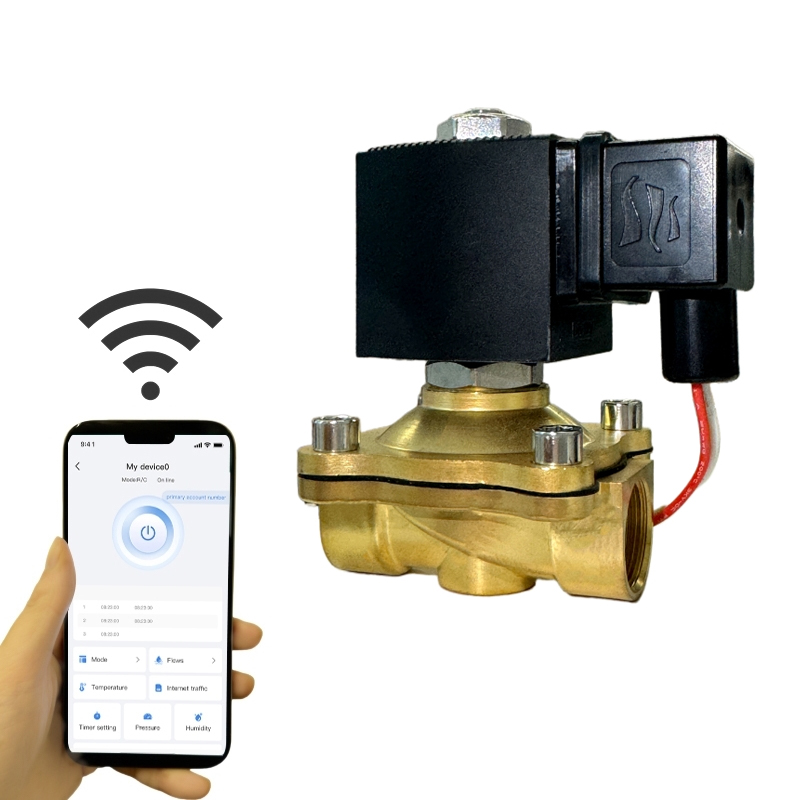
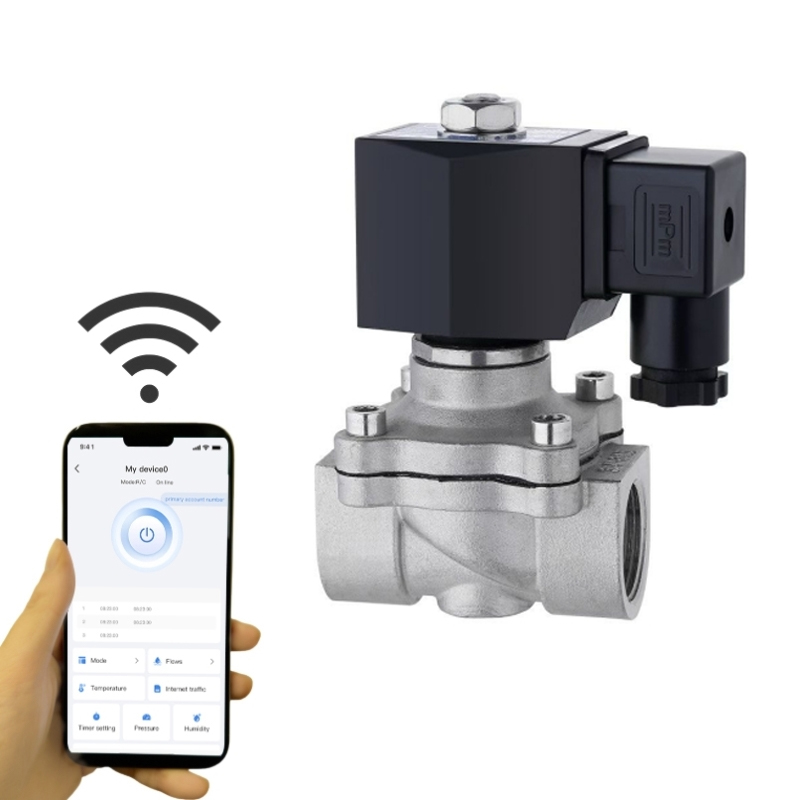
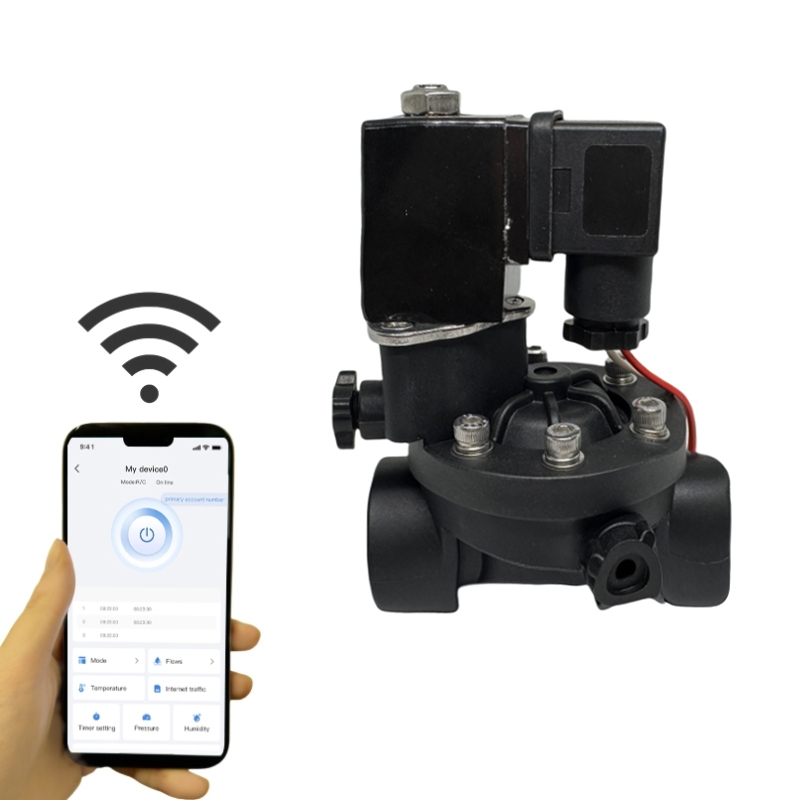
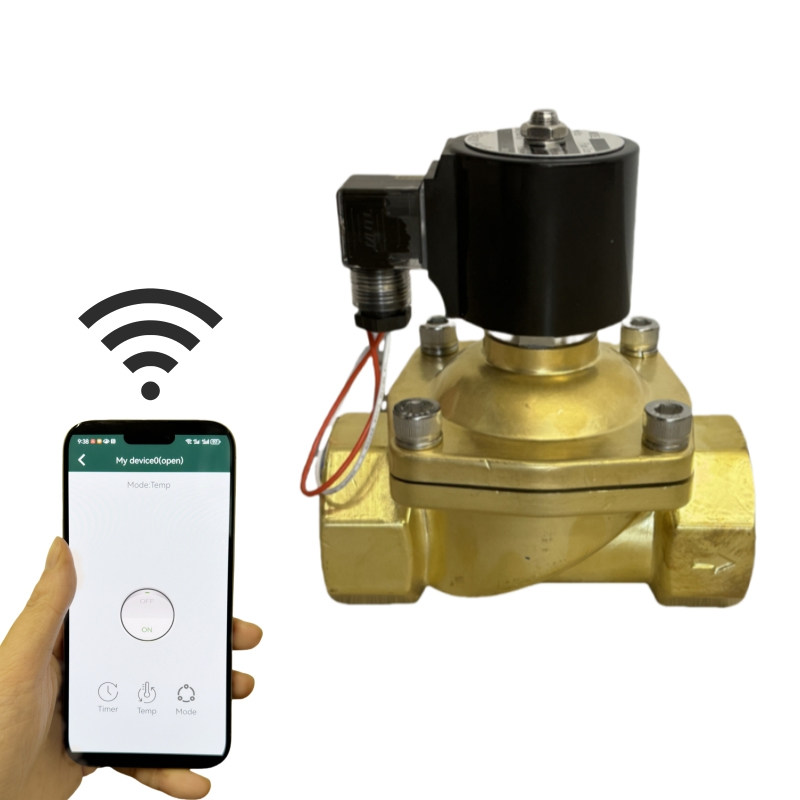
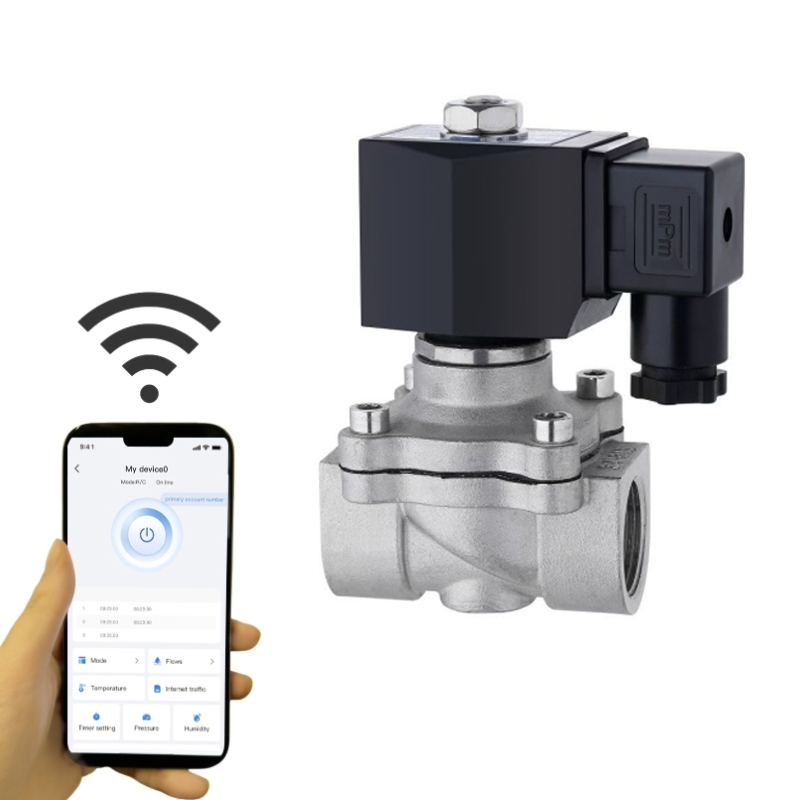
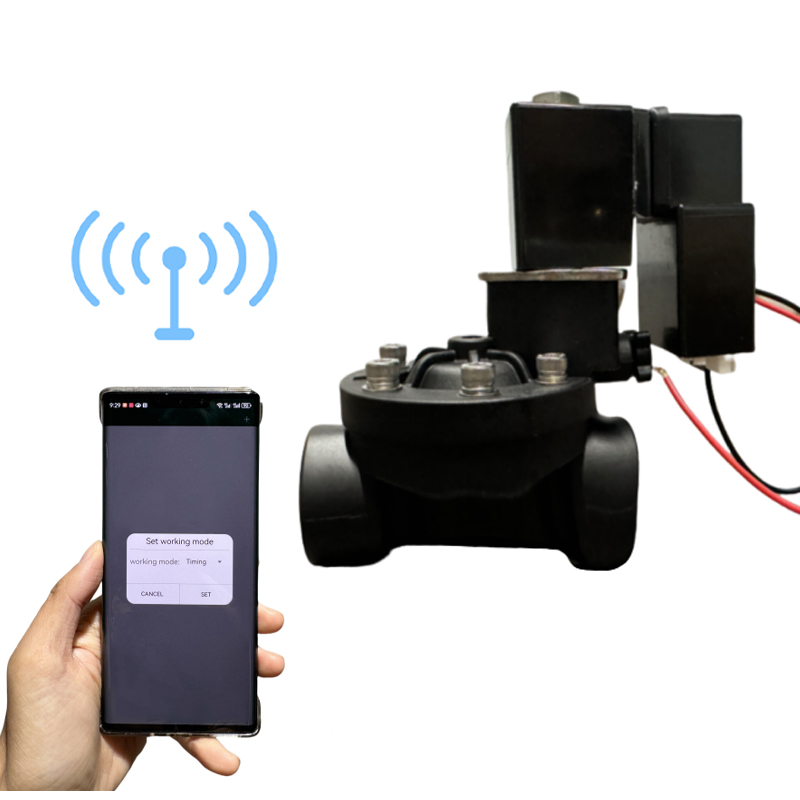
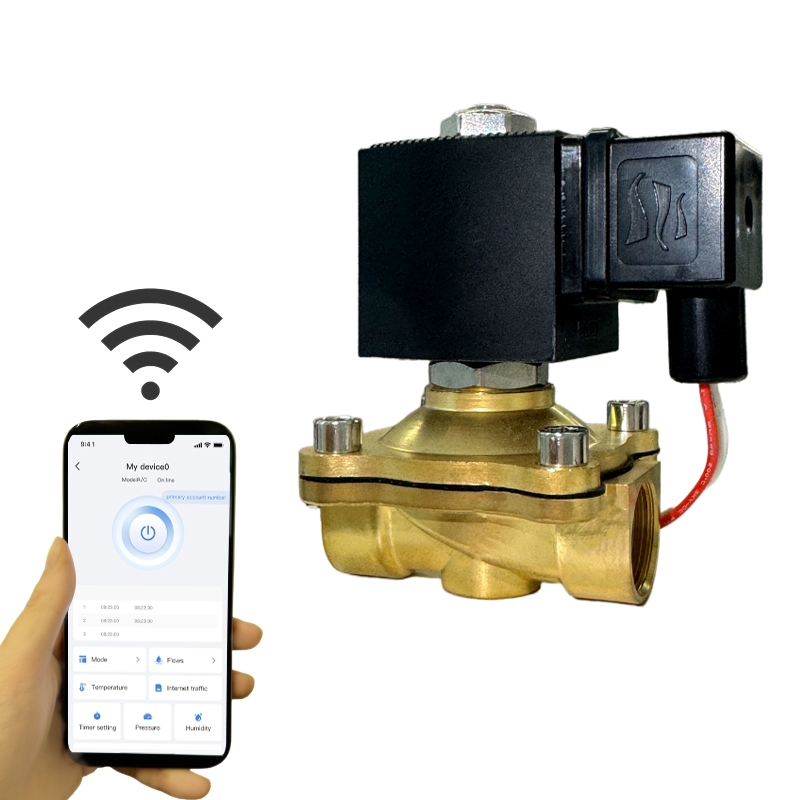
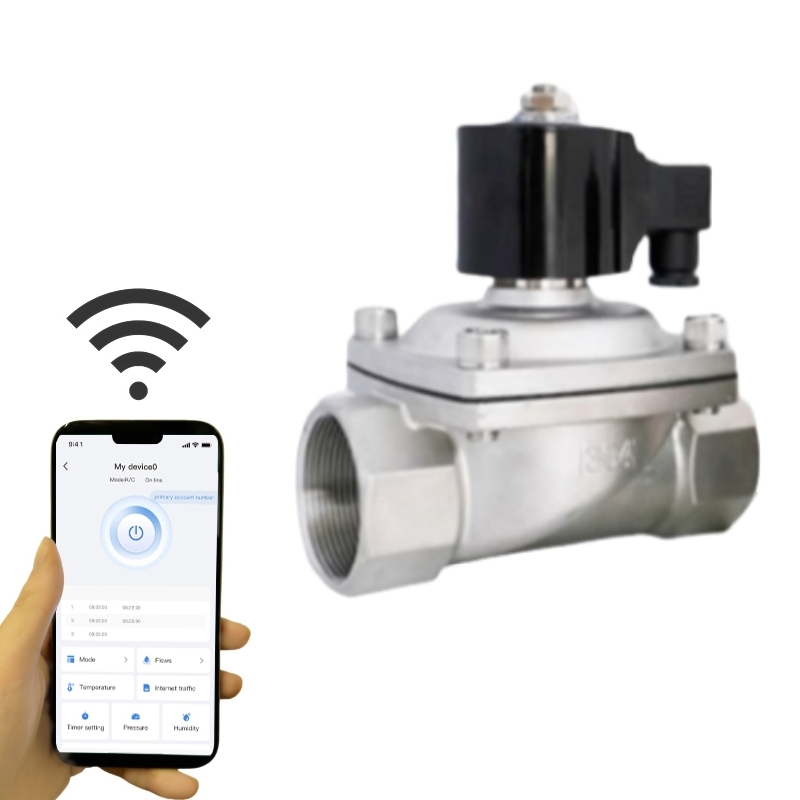
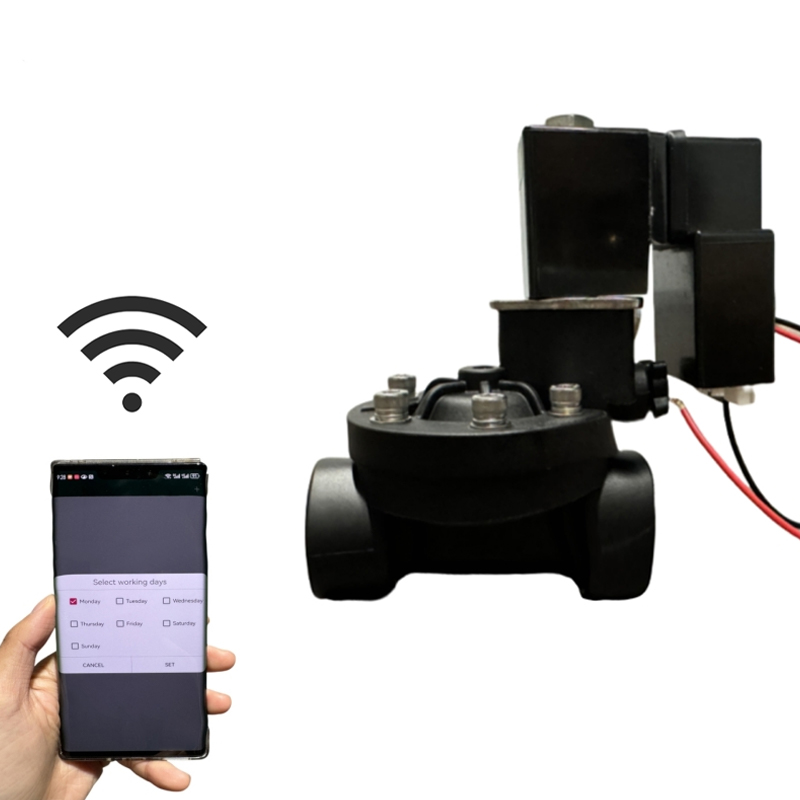
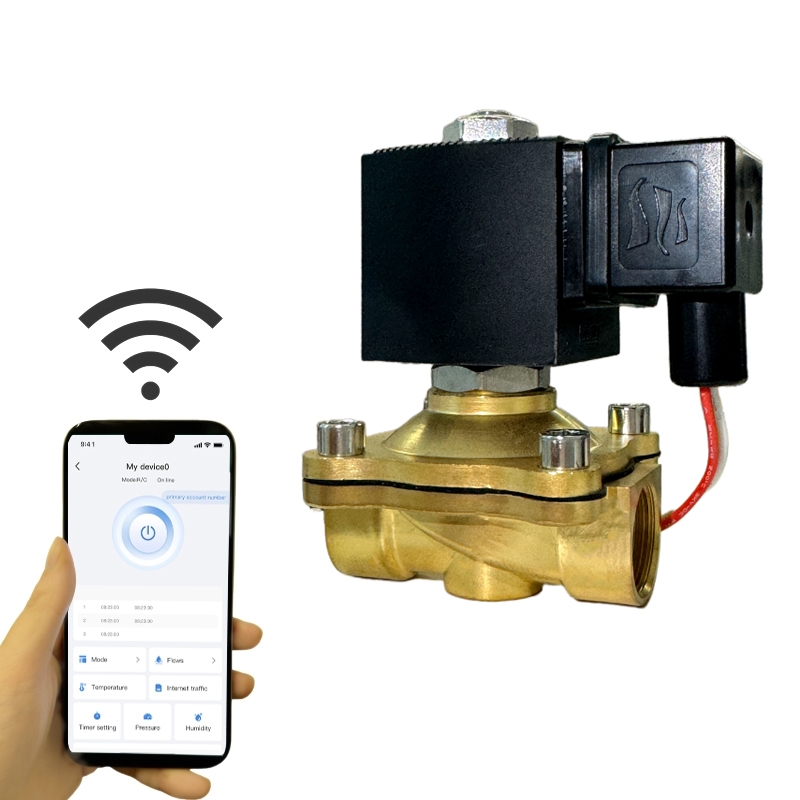
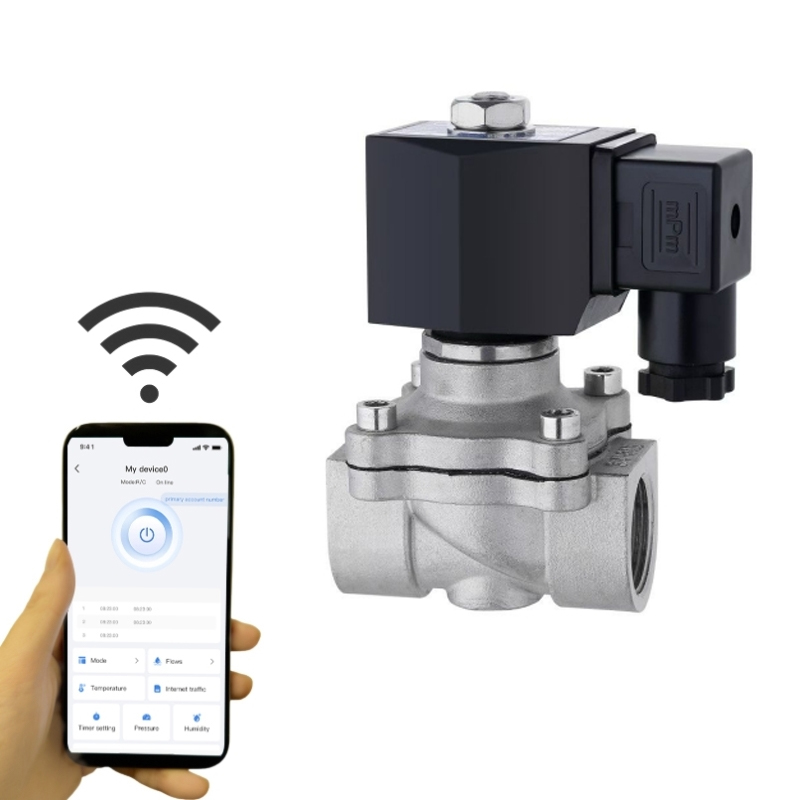
It's also naturally suited to wireless control. Since the valve only needs a brief pulse to change state, it can be triggered by a battery-powered controller for remote on/off switching through an app — useful for unattended irrigation — without the controller itself needing to supply continuous current to the valve.
This doesn't mean a self-holding valve fits every application. Voltage must stay within tight tolerances during the switching pulse, and the system needs some way to track whether the valve is currently open or closed, since cutting power won't return it to a default position the way it does with a standard valve. But for any installation where the alternative is running a cable that can't reach, or replacing batteries every week, the zero-power integrated reset-type latching solenoid valve is essentially the only type of solenoid valve that makes long-term battery operation realistic.



Copyright © 2025 Alahot (zhejiang) Technology Co., Ltd.
All Rights Reserved.
OEM/ODM Electric Solenoid Valves Manufacture
