


 English
 Español
News
Home / News / Solenoid Valve Solutions / Zero-Power Integrated Reset-Type Latching Solenoid Valve for Industrial Energy Retrofits
News
Content
Walk through most process plants and you'll see the same story playing out hundreds or even thousands of times: a standard direct-acting solenoid valve, its coil energized around the clock, quietly drawing 5 to 10 watts just to hold a single position. On its own, that figure looks negligible. But multiply it across a facility with dozens or hundreds of control points, and it becomes a measurable line item on the electricity bill — while the continuous heat generated also shortens coil life.
Retrofit teams tasked with cutting energy costs typically start with motors, compressors, and lighting. Solenoid valves get overlooked because each one draws so little current individually. But an analysis of how coil standby power adds up across fluid control systems shows why this "invisible load" deserves a second look before any retrofit budget is finalized.
A second pain point rarely shows up in the spec sheet: many low-power or pulse-driven valves require a separate driver board or control cabinet mounted alongside the valve just to function. That external controller becomes a burden in its own right. It takes up panel space, needs its own wiring run, introduces a new point of failure, and — on an existing production line — requires dedicated retrofit engineering to fit into a control scheme that was never designed for it.
Plant engineers know this pattern well: a valve upgrade that looks simple on paper turns into a multi-trade job once conduit, junction boxes, and a separate low-voltage driver enter the picture. From there, the maintenance team has twice as many components to troubleshoot, and every additional connection point becomes a fresh potential source of early retrofit failure.
A zero-power integrated reset-type latching solenoid valve directly solves the first half of this problem. Rather than continuously maintaining a magnetic field, it uses a permanent magnet or mechanical latch to hold the valve stem's position once it has moved. Power is only needed for a brief pulse while switching the valve open or closed — typically well under one second. Once the pulse ends, holding current drops to zero.
The practical effect is that the valve's electrical profile behaves more like a momentary switch than a continuous load. For processes where a valve sits in a single state for long stretches — batch dosing, seasonal shutoff lines, remote or battery-powered nodes — this alone eliminates the vast majority of the solenoid valve's lifetime energy consumption.
This is where the second pain point gets resolved as well. An integrated-reset self-holding valve builds both the pulse-drive electronics and the mechanical reset function into the valve body itself, eliminating the need for a separate external controller. There's no driver box to mount, no additional low-voltage wiring to run, and no extra components for maintenance staff to trace when something goes wrong.
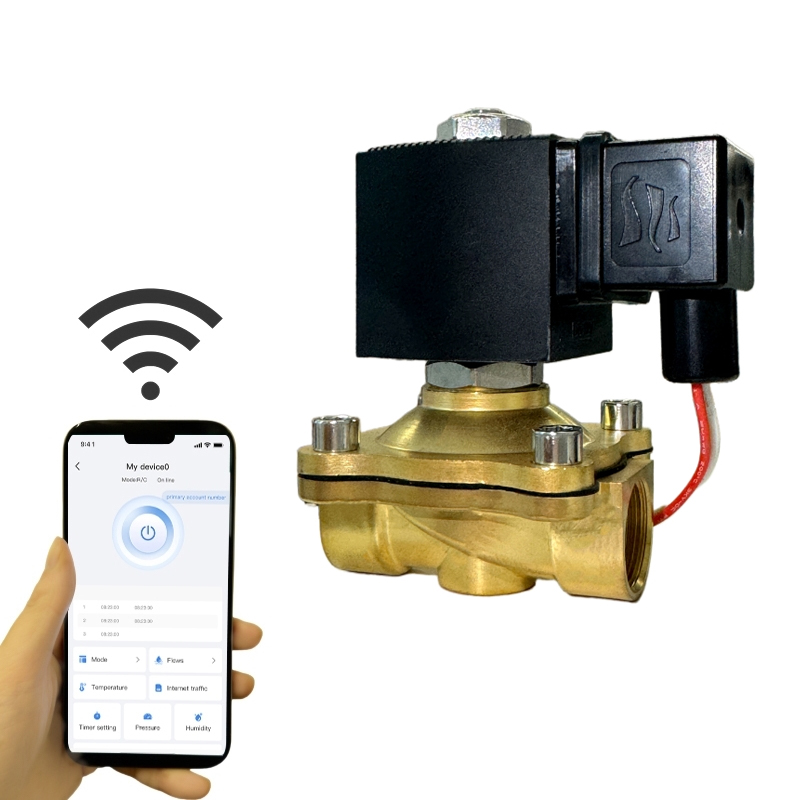
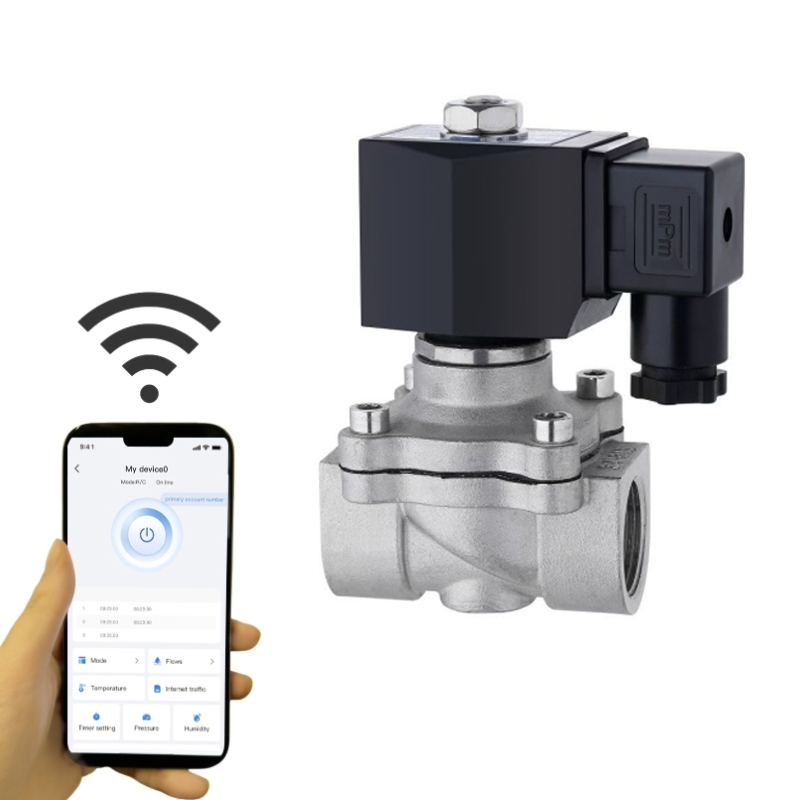
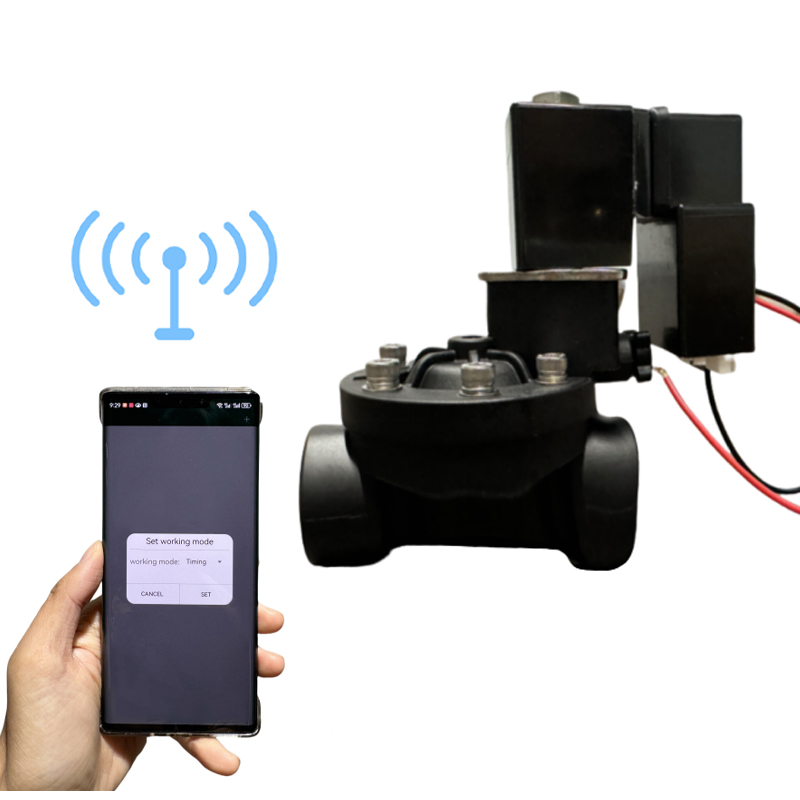
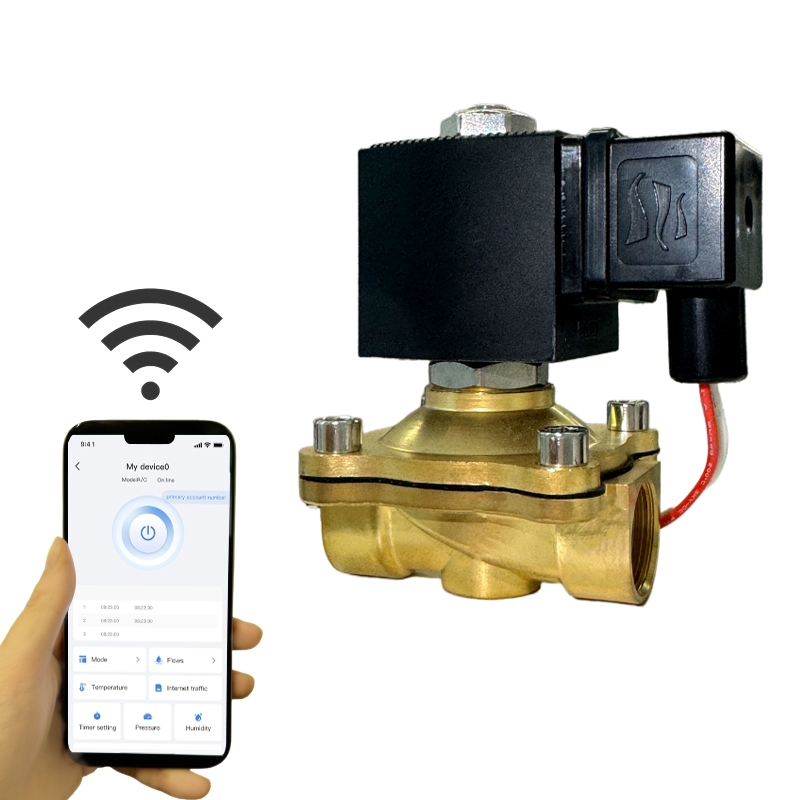
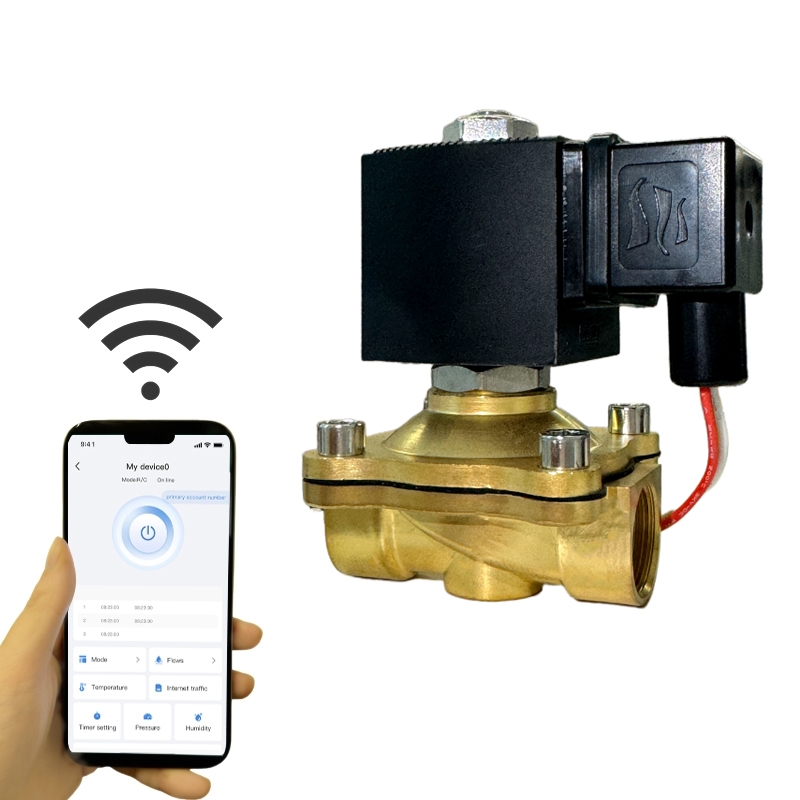
For retrofit projects, this difference directly changes the scope of the work. Replacing a continuously energized valve with a zero-power unit like a self-contained brass pulse-latching solenoid valve built for industrial-grade duty can typically be a direct in-line swap, without redesigning the control panel around a new external driver.
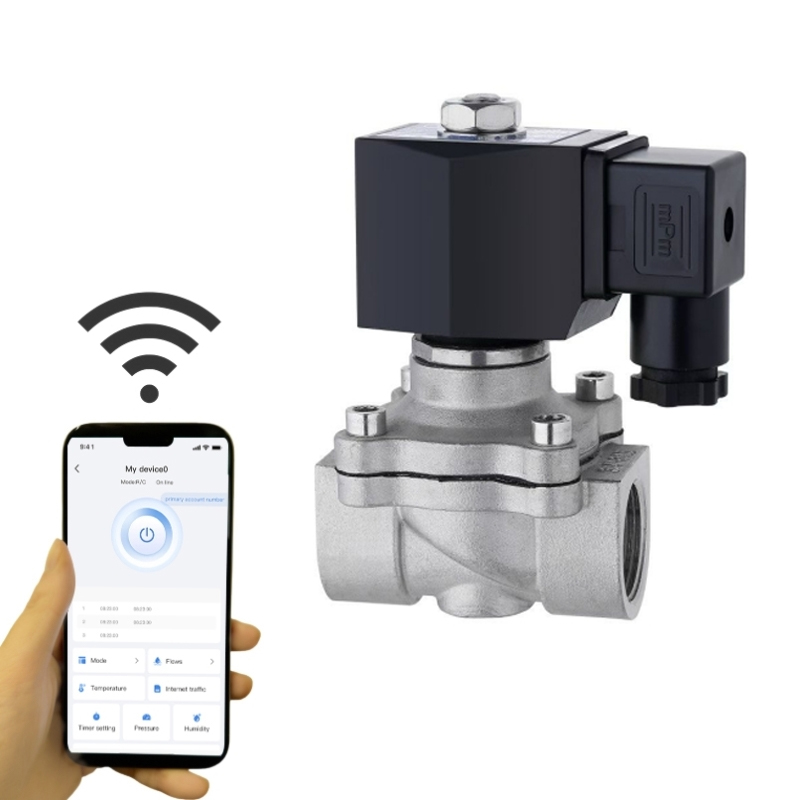
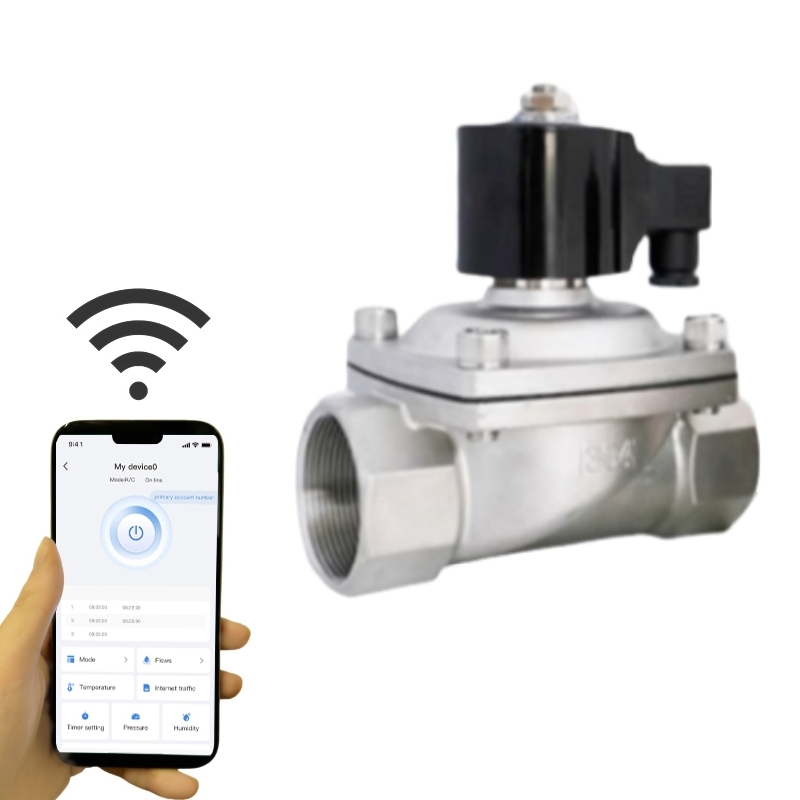
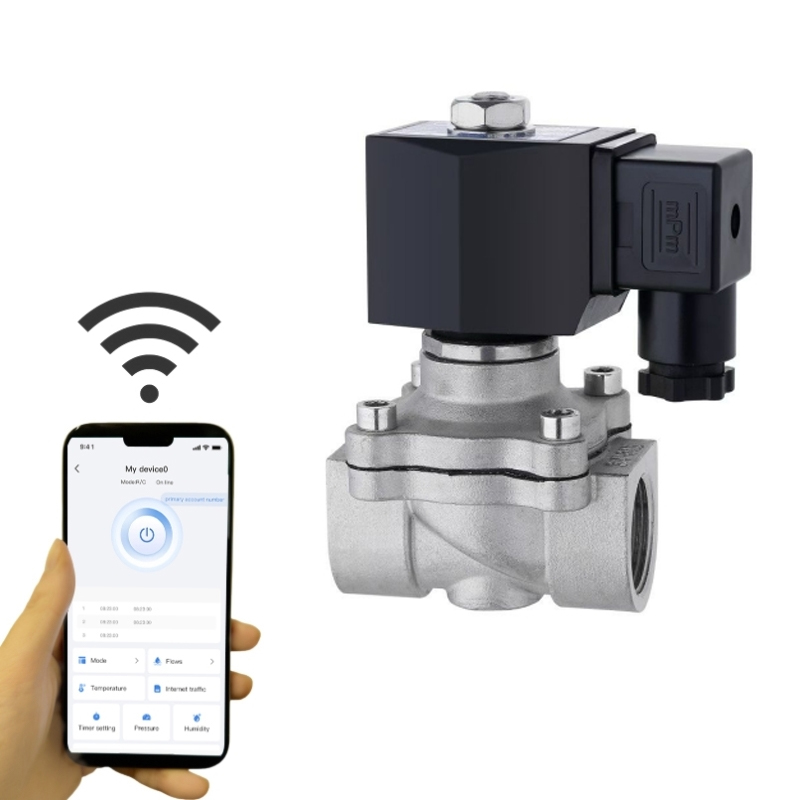
Not every application needs a self-holding valve, but the ones that benefit most tend to share one trait: long dwell time in a single state. Irrigation zone control, seasonal process isolation, batch recirculation feed lines, and remote or intermittently powered nodes are all strong candidates. In corrosive or outdoor environments, stainless steel versions built for corrosive and high-duty conditions extend the same zero-power, controller-free approach to harsher service.
Before selecting a replacement model, it's worth confirming the desired fail-safe state on power loss and reviewing how the valve is maintained in the field — points covered in detail in a troubleshooting guide on common self-holding valve issues. Getting these details right up front is usually what separates a retrofit that pays for itself within months from one that just adds complexity.



Copyright © 2025 Alahot (zhejiang) Technology Co., Ltd.
All Rights Reserved.
OEM/ODM Electric Solenoid Valves Manufacture
