


 English
 Español
 русский
 Français
 日本語
 ไทย
 Tiếng Việt
 عربى
 Deutsch
 Português
 Bahasa Melayu
 Türk

News
Home / News / Solenoid Valve Solutions / Zero-Power Monostable Latching Valve in Hydrogen Systems: Market Comparison
News
Content
A conventional solenoid valve that stays open inside a closed hydrogen cabinet keeps its coil energized for as long as the process runs. That continuous current becomes continuous heat, in the one place where heat is least welcome.
A Zero-Power Monostable Latching Valve changes this. It is energized to open or close, then drops into an ultra-low-power latching state. According to the manufacturer's data, holding power is below 0.05 W for DC models and below 0.06 W for AC models, with no coil temperature rise during operation and a power saving rate above 95%. When power is cut completely, the valve returns automatically to its initial state.
That last point is what separates it from a pulse-type bistable valve. A bistable valve stays in its last position after power loss. This design behaves like a monostable valve at the system level: no power means a known, predefined state. The full zero-power latching valve range follows the same principle across different body materials.
Hydrogen is up to 14 times lighter than air, so leak paths that are irrelevant for water or compressed air become real. Industry guidance for hydrogen solenoid valves cites seat tightness on the order of 10-6 mbar·l/s, together with tightness to the outside atmosphere. Every threaded or flanged interface is a potential leak point where gas can accumulate in an enclosure.
Material behavior adds a second layer. Elastomer seals are permeable to hydrogen, and a sudden pressure drop can cause explosive decompression that damages the seal. At high pressure, stainless steel can suffer hydrogen embrittlement, which is why hydrogen-rated valves use specific steel grades and seal materials such as PTFE, PEEK or PCTFE rather than general-purpose elastomers.
Thermal conditions matter as well. When ambient temperature rises above roughly 50 °C, copper coil resistance increases and output falls, and in confined, sound-insulated hydrogen systems heat build-up can limit valve function. Hydrogen also warms on expansion, because its Joule-Thomson inversion temperature is above -80 °C.
Pressure defines the tier of valve you need. Electrolyzers deliver hydrogen at roughly 30 to 40 bar, while refuelling stations store at 500 bar and above. The two ends of that range call for entirely different valve designs.
A Zero-Power Monostable Latching Valve belongs in low-pressure auxiliary circuits, not in high-pressure storage or dispensing. The realistic fit is where a valve is held in one position for long periods and where heat and energy use are concerns.
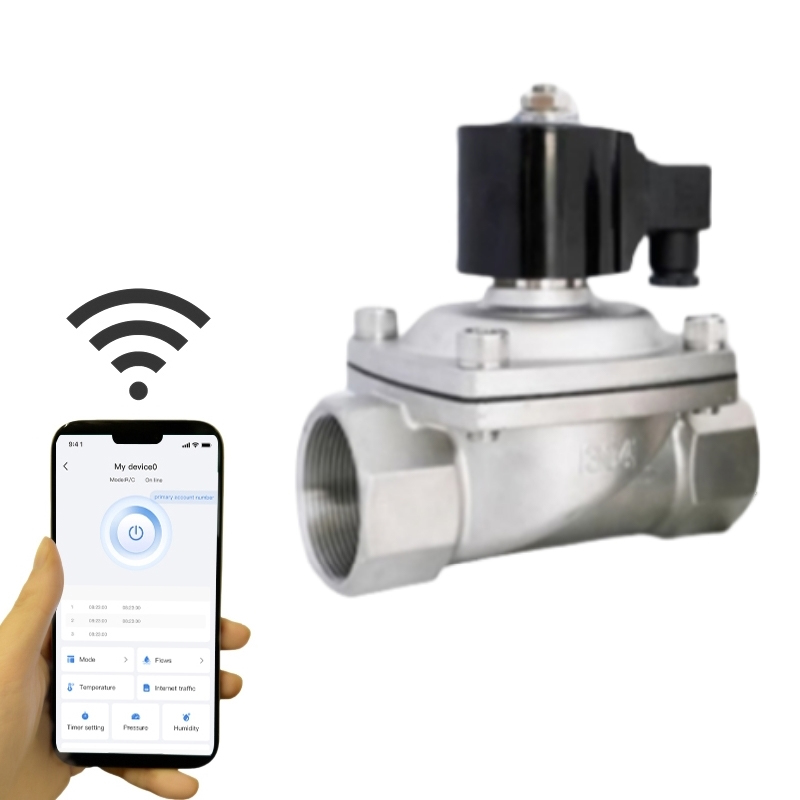
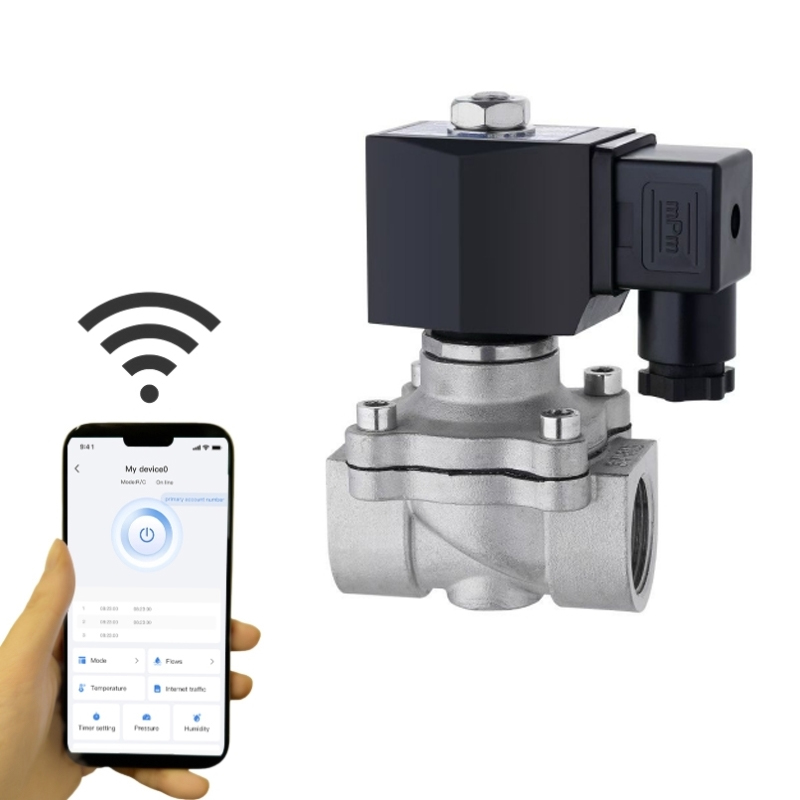
For compact manifolds in these circuits, 304 stainless steel miniature solenoid valves show the body size and material class typically considered for small-bore lines.
Three valve architectures compete for the same low-power hydrogen duty. They differ less in basic flow performance than in how they behave electrically and how they fail.
| Criterion | Conventional monostable solenoid | Pulse-type bistable | Zero-Power Monostable Latching Valve |
|---|---|---|---|
| Holding power | Continuous, full coil power | None between pulses | Below 0.05 W (DC) or 0.06 W (AC) |
| Coil heating in cabinet | Significant over long holds | Brief, during pulse only | No coil temperature rise reported |
| State after power loss | Returns to default | Stays in last position | Returns to initial state |
| External driver or pulse controller | Not required | Required | Not required, driver is integrated |
| Control wiring change when replacing a standard valve | None | New control logic needed | None, universal wiring |
| Commissioning effort | Low | Higher | Low |
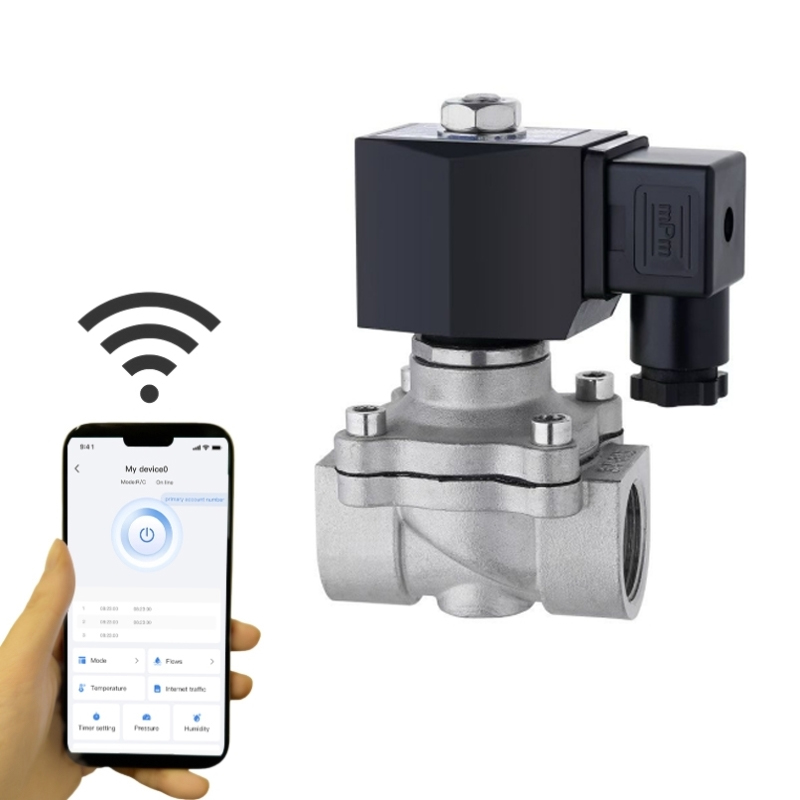
The conventional monostable valve is simple and fail-safe but pays for it in heat and energy. The pulse bistable valve solves the energy problem and adds a controller, pulse timing and a position-memory question. The zero-power monostable type sits between them: it keeps the wiring and fail-safe behavior of the first and approaches the holding power of the second. Where a plant already standardizes on a stainless steel 2-way direct-acting solenoid valve, the zero-power design is the one that can replace it without touching the control circuit.
Safety philosophy in hydrogen systems usually favors a defined state on loss of power. A normally closed valve that shuts when de-energized is the standard expectation for isolation duties.
A bistable valve breaks that expectation. If power fails while it is latched open, it stays open, and the control system must detect and correct it. Some engineers accept this with proper monitoring, but it adds a failure case that must be documented and tested.
Because the Zero-Power Monostable Latching Valve resets to its initial state when power is fully cut, it follows the familiar de-energize-to-default logic. The control architecture does not need a special case for power loss. Whether that initial state is open or closed depends on the valve configuration chosen, so it should be specified against the hazard analysis of the particular circuit.
Fuel cell and electrolyzer cabinets are compact, and designers often rely on ventilation limits, ATEX zoning and sound insulation that all restrict heat removal. A bank of ten continuously energized solenoid valves can add a measurable thermal load to such an enclosure.
Cutting holding power to a few hundredths of a watt per valve removes most of that load. It also protects coil resistance from drifting upward in warm cabinets, which is the mechanism behind the output loss seen above about 50 °C ambient. The benefit is largest in circuits where valves stay in one position for hours or days, and smallest where valves cycle constantly.
Integration cost often decides between technologies more than component price. The valve uses standard universal wiring and a DIN43650 connector, so it can replace a conventional solenoid valve without control circuit modification. The driver circuit is built into the valve, which removes the external pulse generator and the commissioning work that comes with it.
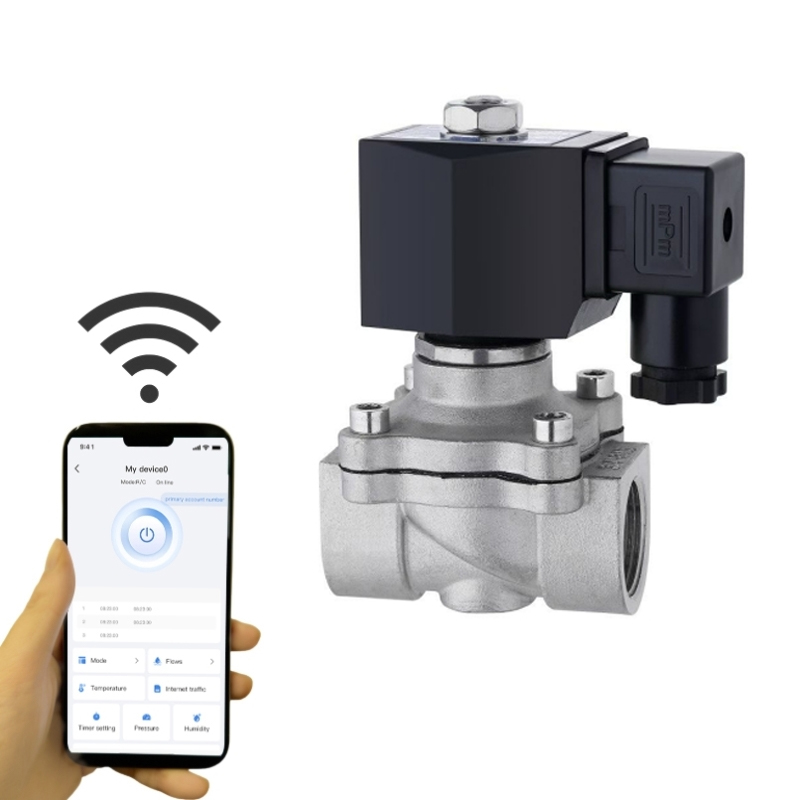
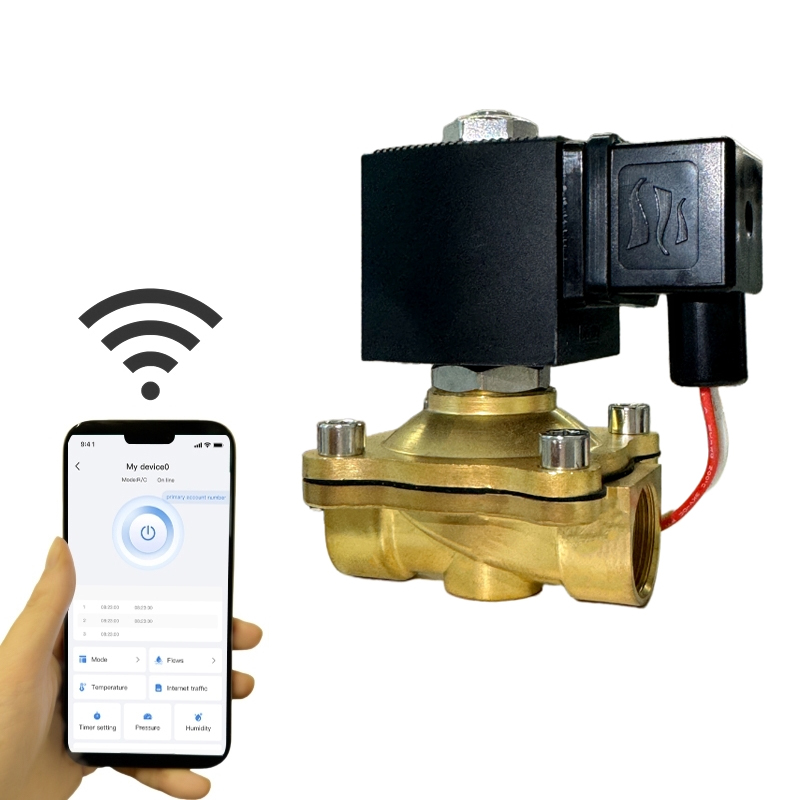
The coil assembly uses a BMC encapsulated structure integrated with that driver. For users comparing body materials in this format, the stainless steel latching pulse valve is the starting point for media where stainless wetted parts are required.
A low-power latching design does not make a valve hydrogen-ready on its own. The points below must be checked against the datasheet and the project requirements before any purchase.
For circuits that stay in the moderate range, 304 stainless steel 100 bar high-pressure solenoid valves illustrate the pressure class the manufacturer lists, and the datasheet remains the authority on hydrogen suitability.
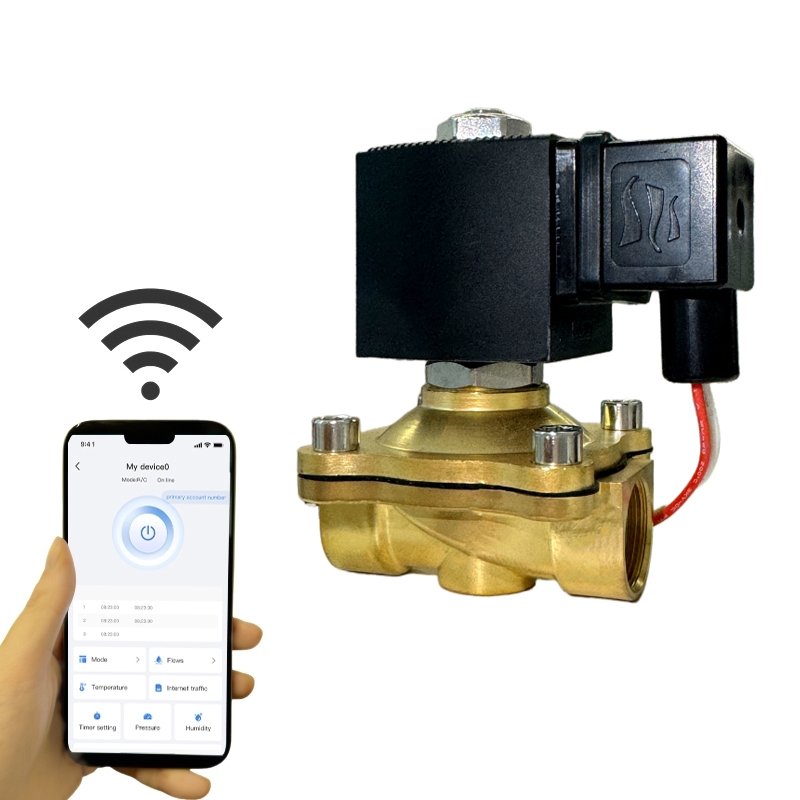
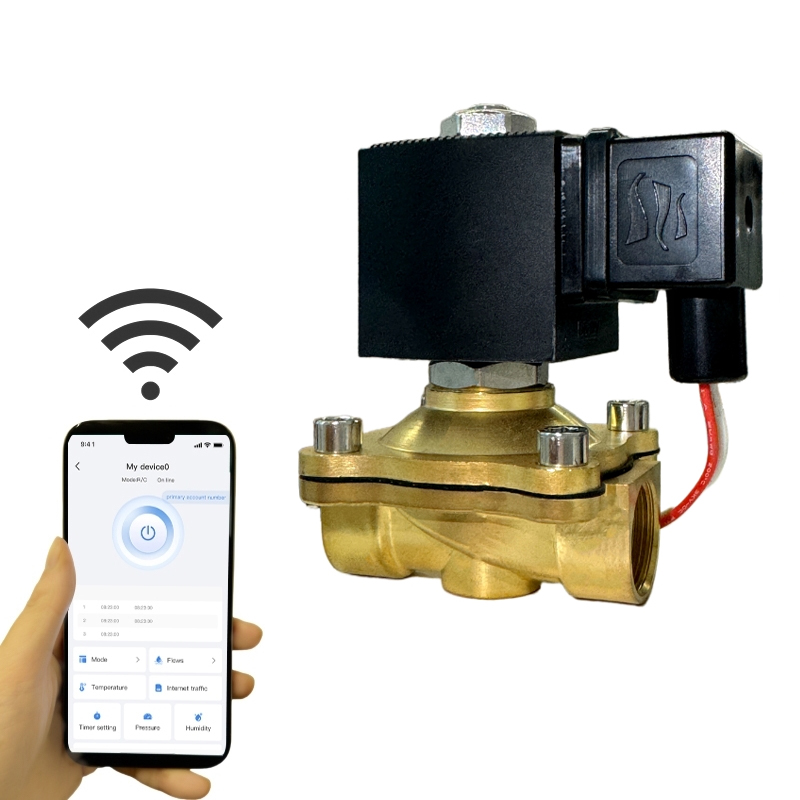
When the answers point to low pressure, long hold times and a retrofit into existing wiring, the Zero-Power Monostable Latching Valve is a reasonable candidate. Brass-bodied options such as the brass latching pulse valve may suit non-critical, lower-pressure branches, but material suitability for hydrogen must still be confirmed per project. Where pressure, certification or tightness requirements fall outside its scope, a conventional hydrogen-rated valve is the correct choice.



Copyright © 2025 Alahot (zhejiang) Technology Co., Ltd.
All Rights Reserved.
OEM/ODM Electric Solenoid Valves Manufacture
