Industry knowledge
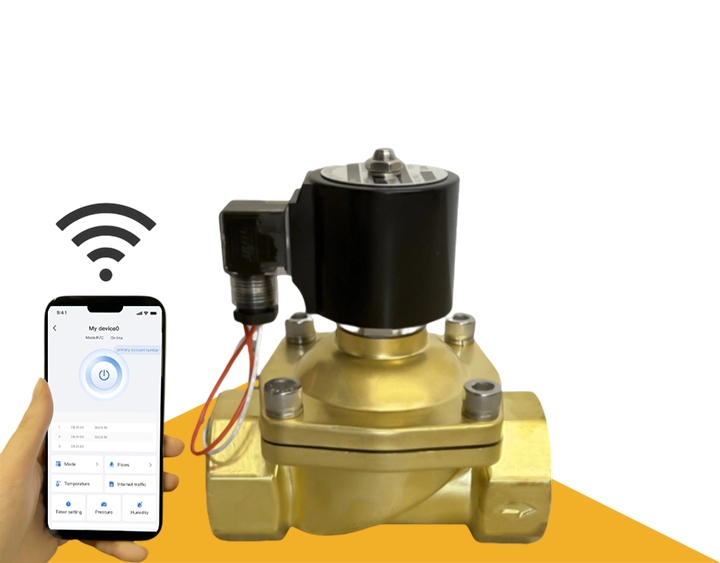
App timer control solenoid valves enable highly precise scheduling of fluid or gas flow in automated systems. Using digital timers within the app, operators can set exact opening and closing intervals, allowing for optimized resource usage and consistent system performance. Proper timing strategies prevent water hammer, reduce energy consumption, and extend valve lifespan.
- Staggered timing across multiple valves avoids simultaneous peak flow that could strain pumps.
- Short pulse timing can be used for drip irrigation or micro-dosing applications.
- Adaptive schedules can respond to environmental conditions, such as soil moisture sensors or pressure readings.
Integrating Timer Control with Seasonal Adjustments
Smart timer valves allow seasonal adjustments to automatically adapt flow schedules based on changing environmental conditions. This is particularly useful for irrigation, chemical dosing, or HVAC systems, where timing needs vary throughout the year.
- Longer watering cycles in dry months versus shorter cycles during rainy seasons prevent overuse of resources.
- Seasonal temperature-based adjustments ensure optimal operation of heating or cooling circuits.
- Integration with cloud data sources allows automatic schedule updates based on local weather forecasts.
Preventing Operational Conflicts in Multi-Valve Systems
When multiple solenoid valves are controlled by the same timer app, careful coordination is required to avoid operational conflicts. Overlapping schedules or excessive simultaneous flow can cause pressure drops, pump overload, or system instability.
- Sequencing valve activations minimizes pressure fluctuations in the main line.
- Assigning different zones to separate timers allows flexible and conflict-free control.
- Monitoring system feedback in real time helps dynamically adjust timing to prevent issues.
Energy Efficiency with Timer-Based Actuation
Timer control can optimize energy consumption by reducing unnecessary valve actuation. Precise scheduling ensures valves are only energized when required, lowering power usage and minimizing coil wear over time.
- Pulse-width modulation combined with timed intervals reduces average energy usage.
- Off-peak actuation schedules take advantage of lower electricity rates in industrial applications.
- Automated shutdown during inactivity periods preserves both energy and system components.
Monitoring and Logging Valve Activity
App timer control systems often include logging features to track valve activity. This provides insight into system performance, helps identify anomalies, and supports predictive maintenance strategies.
| Parameter |
Recommended Range |
Application |
| Valve Cycle Duration |
5-120 sec |
Drip irrigation, chemical dosing |
| Daily Actuations |
1-20 cycles |
Multi-zone systems |
| Flow Rate Consistency |
±2% |
Precision dosing or irrigation |
Troubleshooting Timer-Controlled Valve Operations
Even with advanced app timer control, valve misoperation can occur due to connectivity, scheduling, or mechanical issues. Systematic troubleshooting ensures reliability and consistent performance.
- Verify app synchronization with all connected valves to prevent timing discrepancies.
- Check battery or power supply stability for remote or low-voltage valves.
- Inspect valve plunger and seal condition if actuation duration or flow consistency deviates from scheduled values.



 English
 Español

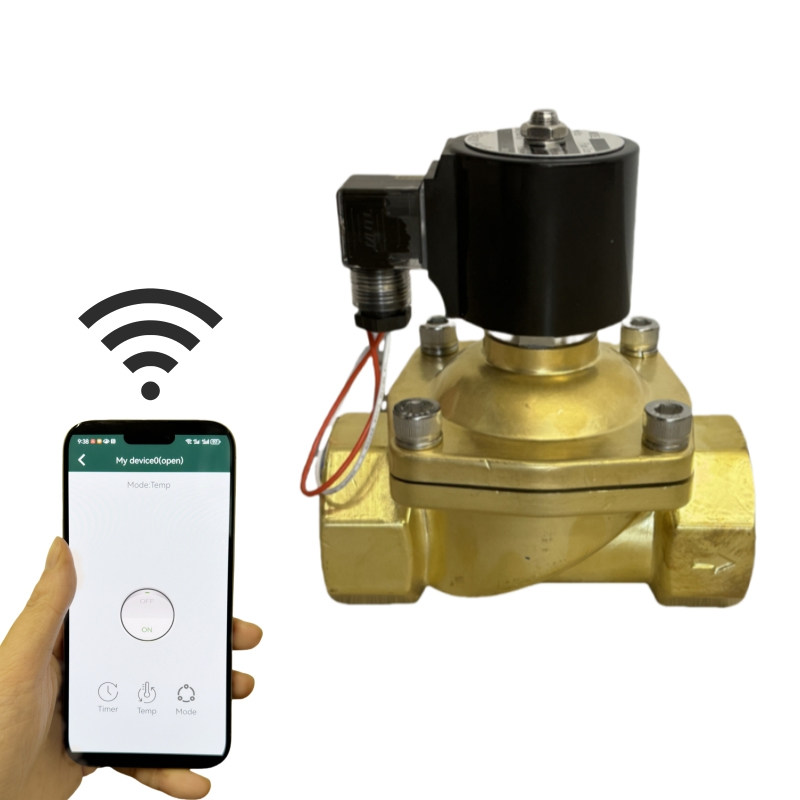 This brass App timer control solenoid valve is engineered for smart fluid management systems that require precise, scheduled operation. Featuring integrated app connectivity and a programmable timer f...
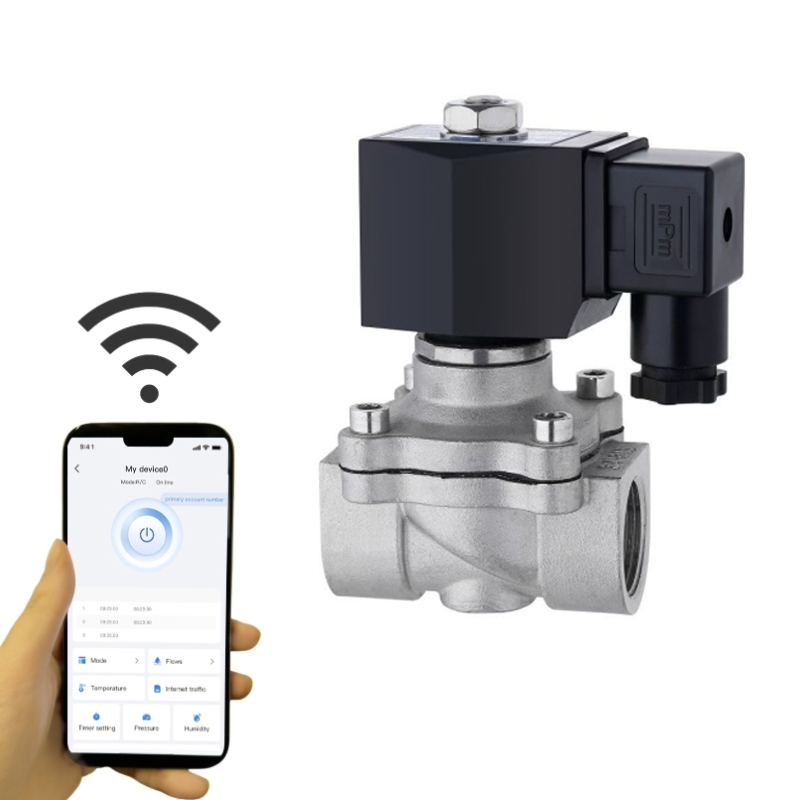 This solenoid valve is made from high-grade 304 stainless steel and supports smart app-based timer control, enabling precise and automatic valve operation based on scheduled times. With only 0.5W of p...
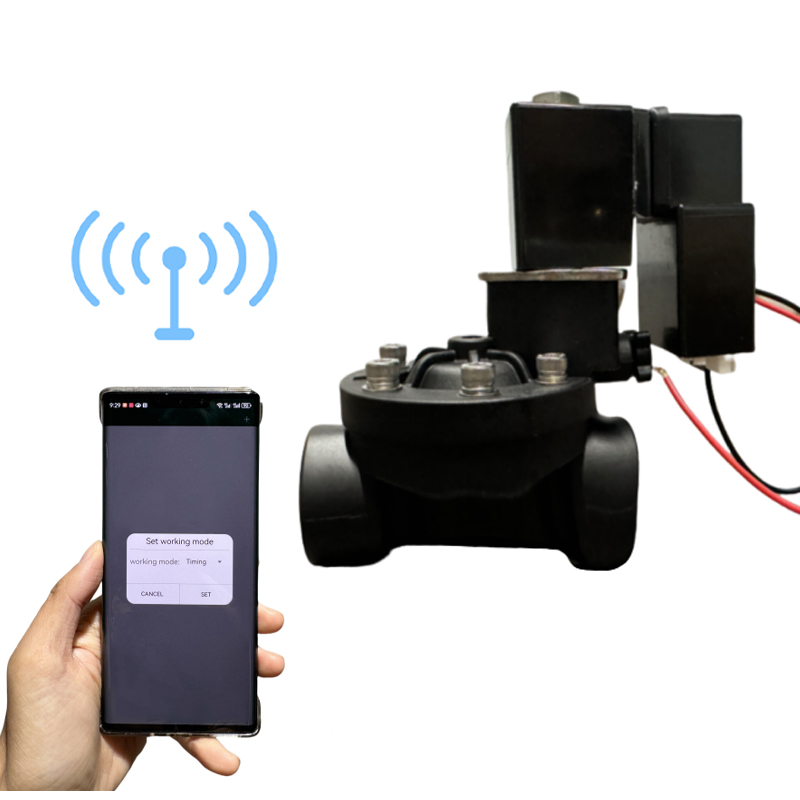 This solenoid valve features a lightweight plastic body and supports remote app-based timer control. It enables scheduled valve operation according to predefined time settings, which helps optimize fl...