


 English
 Español
-
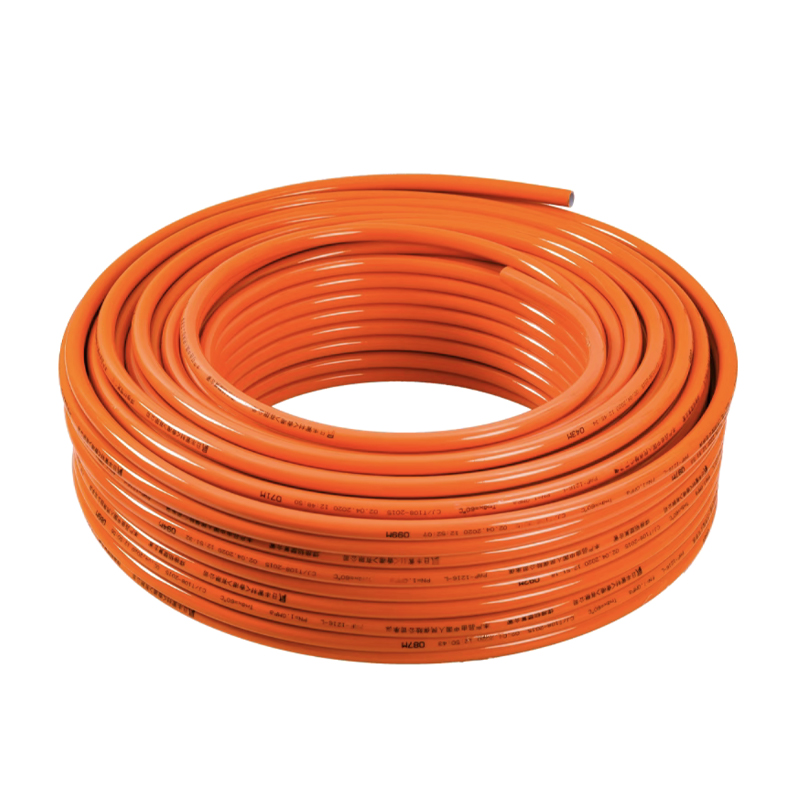 Floor heating pipes serve as the primary conduits for transporting hot water or heat transfer fluids in radiant floor heating systems, ensuring precise temperature control across all heating zones. Ma...
 -
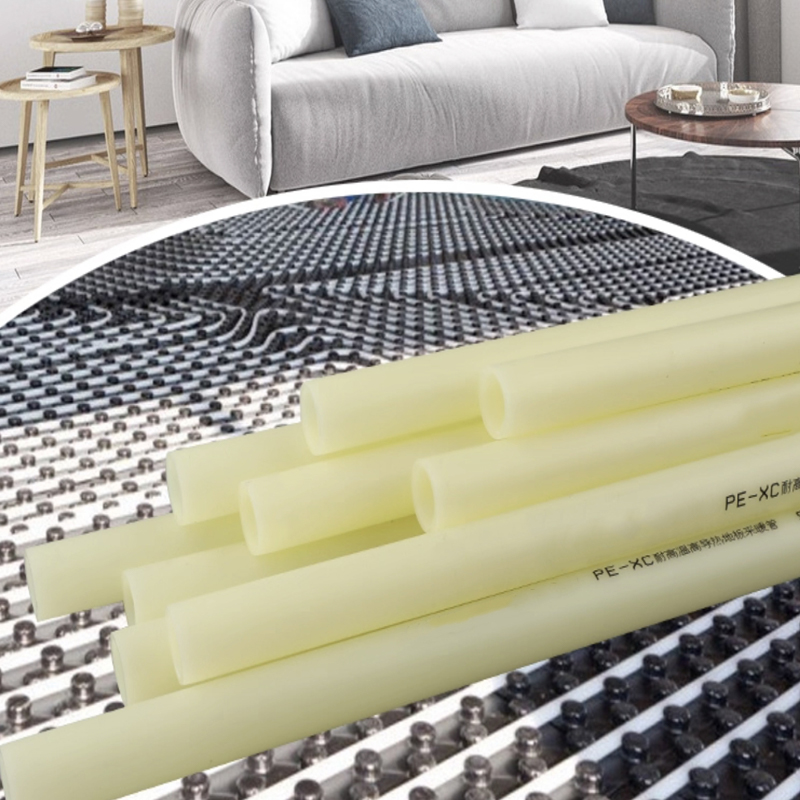 PEX floor heating pipes are manufactured from cross-linked polyethylene (PEX) and serve as essential conduits for transporting hot water in radiant floor heating systems. These pipes offer excellent r...
 -
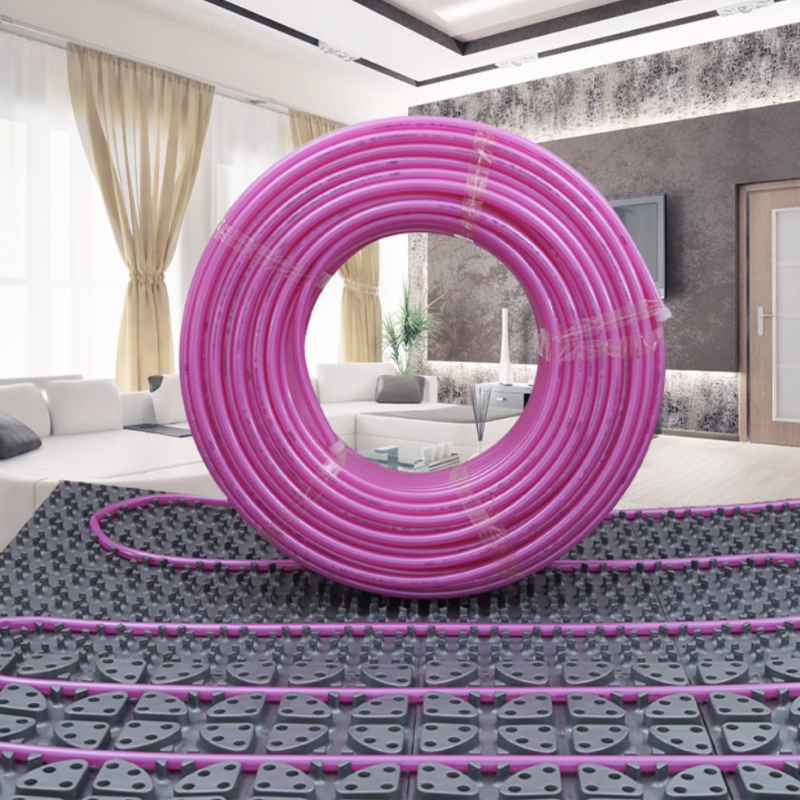 PERT floor heating pipes are manufactured from Polyethylene Raised Temperature (PERT) copolymer, serving as critical conduits for heat transfer in radiant floor heating systems. These pipes exhibit ex...
 -
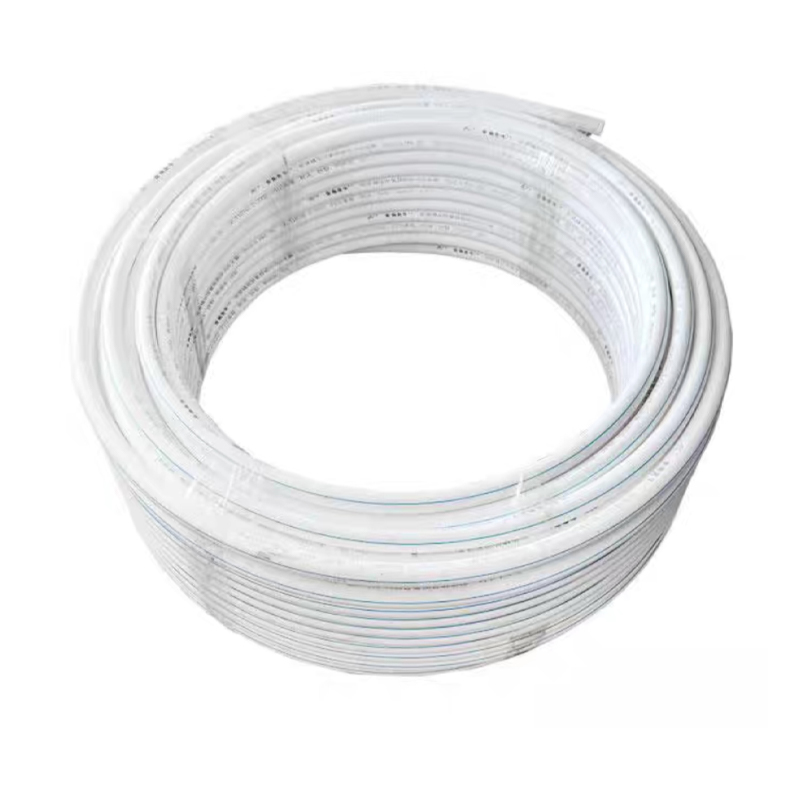 PPR floor heating pipes are manufactured from polypropylene random copolymer (PPR) material, serving as essential conduits for transporting heat transfer fluids in radiant floor heating systems. These...

Underfloor Heating Pipes Manufacturer
Professional Underfloor & Wall Heating System Solutions
We provide a comprehensive range of heating system products, including PEX heating pipes, PERT heating pipes, PPR pipes, and manifold systems, specifically designed for efficient heating requirements in residential and commercial buildings.
Core Products
PEX Heating Pipes: Cross-linked polyethylene material, temperature range –40°C to 95°C, working pressure 6 bar, certified to EN ISO 15875.
PERT Heating Pipes: High-temperature polyethylene with excellent flexibility, thermal conductivity 0.4 W/m·K, ideal for low-temperature radiant heating.
PPR Pipes: Polypropylene random copolymer (Type 3), pressure-rated PN20, leak-free heat-fusion joints.
Manifold Systems: Brass/stainless steel body, standard flow control valves and automatic air vents, supports up to 12 circuits.
About Alahot
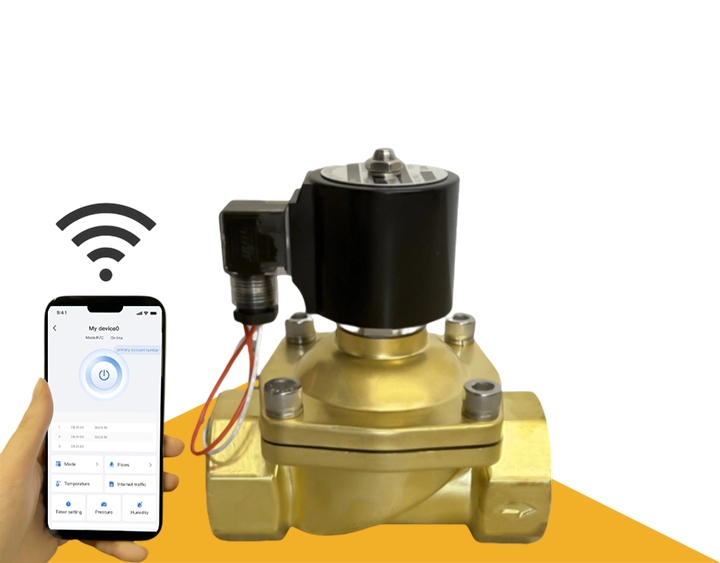
Alahot (Zhejiang) Technology Co., Ltd. is a technology-driven manufacturer of solenoid valves. As Underfloor Heating Pipes Manufacturers and Floor Heating Pipes Company in China, we integrate electromagnetic control, fluidic design, communication protocols, and software engineering to build valves with intelligent sensing and precise control.
We deliver more than components—we deliver control units that can be embedded into your system, sensing, responding, and collaborating to enhance overall performance and value.
At Alahot, technology is not a buzzword. It's a verifiable ability to solve. We’ve delivered solutions that others couldn’t.
From battery-powered irrigation systems, to closed-loop HVAC controls, to ultra-quiet miniature valve assemblies for medical devices. These weren’t product tweaks—they were full-stack, co-engineered systems from hardware to software. We can deliver your first sample in two weeks—or keep optimizing its every detail for five years.
News and Information
Industry knowledge
Thermal Endurance of PEX Materials in Heating Systems
PEX, or cross-linked polyethylene, has become the backbone of modern Floor Heating Pipes due to its ability to maintain mechanical stability under repeated thermal cycling. Unlike conventional thermoplastics, its molecular cross-links prevent creep deformation and cracking at elevated temperatures. With an operational range from –40°C to 95°C and a pressure rating of 6 bar, PEX retains flexibility and toughness even after thousands of expansion and contraction cycles. This thermal endurance ensures consistent heat distribution and long service life across residential and commercial applications.
Evaluating Long-Term Reliability in Hot-Water Circulation
The durability of Underfloor Heating Pipes depends not only on material formulation but also on the design of the entire water circulation system. Factors such as oxygen diffusion, pressure balance, and chemical compatibility influence lifespan. PEX pipes with EVOH oxygen barrier layers minimize corrosion risk in metallic components such as manifolds or control valves. In high-load environments, combining these pipes with precision-engineered manifolds from Alahot ensures stable flow distribution and balanced system pressure, directly extending service life and reducing maintenance frequency.
Thermal Aging and Structural Integrity
When exposed to constant heating, polymer chains may degrade through oxidation and microcrack propagation. PEX’s cross-linking density slows this process by reinforcing the molecular network, keeping deformation under 2% after 10,000 hours of exposure at 95°C. In practice, proper installation—such as avoiding tight bending radii and ensuring even heat distribution across the subfloor—plays a major role in maintaining thermal integrity. Alahot’s heating pipe systems undergo accelerated aging tests to simulate 25 years of operation, verifying that the pipes maintain pressure resistance and thermal stability over their design lifespan.
Comparison of PEX, PERT, and PPR Heating Pipes
| Property | PEX Heating Pipes | PERT Heating Pipes | PPR Heating Pipes |
| Temperature Range | –40°C to 95°C | Up to 70°C | Up to 90°C |
| Thermal Conductivity | 0.38–0.40 W/m·K | 0.40 W/m·K | 0.22 W/m·K |
| Flexibility | Excellent | High | Moderate |
| Connection Method | Compression or Expansion Fitting | Heat Welding or Fittings | Heat Fusion Joint |
Pressure Management and Valve Integration
In high-efficiency radiant systems, thermal reliability is inseparable from pressure control. As a technology-driven manufacturer, Alahot integrates electromagnetic valve solutions within its heating systems to provide precise modulation of flow and temperature. When paired with Floor Heating Pipes, these intelligent valves maintain stable circuit conditions, preventing overpressure during rapid temperature rises. This integration not only safeguards pipe longevity but also enhances energy utilization by synchronizing pump and valve operations in real time.
Installation and Environmental Considerations
- Avoid sharp bends or excessive clamping that can induce localized stress points in PEX circuits.
- Use thermal insulation boards beneath pipe layouts to reduce downward heat loss and improve system efficiency.
- In mixed systems with PERT or PPR segments, ensure connectors and manifolds are pressure-rated to 6 bar or higher for compatibility.
- Implement automated air venting in manifolds to prevent trapped air that could create uneven heating zones.
Reliability as a Design Principle
For Alahot, reliability is engineered from material selection through control integration. Each PEX circuit is designed not only to carry heat but to communicate within the system—sensing, adjusting, and sustaining equilibrium. This co-engineered approach, combining polymer science with intelligent valve technology, defines the future of Underfloor Heating Pipes: systems that don’t just perform but evolve with their environment for decades of consistent comfort.

Alahot is Floor Heating Pipes Manufacturer in China. Follow our social media postings for the latest news and exhibitions.
Discover
Contact
-
 3/F, No.72 Desheng Lane, Gongshu District, Hangzhou, Zhejiang, China
 -

-
 +86-18768178590
Newsletter
Copyright © 2025 Alahot (zhejiang) Technology Co., Ltd.
All Rights Reserved.
Custom Underfloor Heating Pipes Company
