


 English
 Español
-
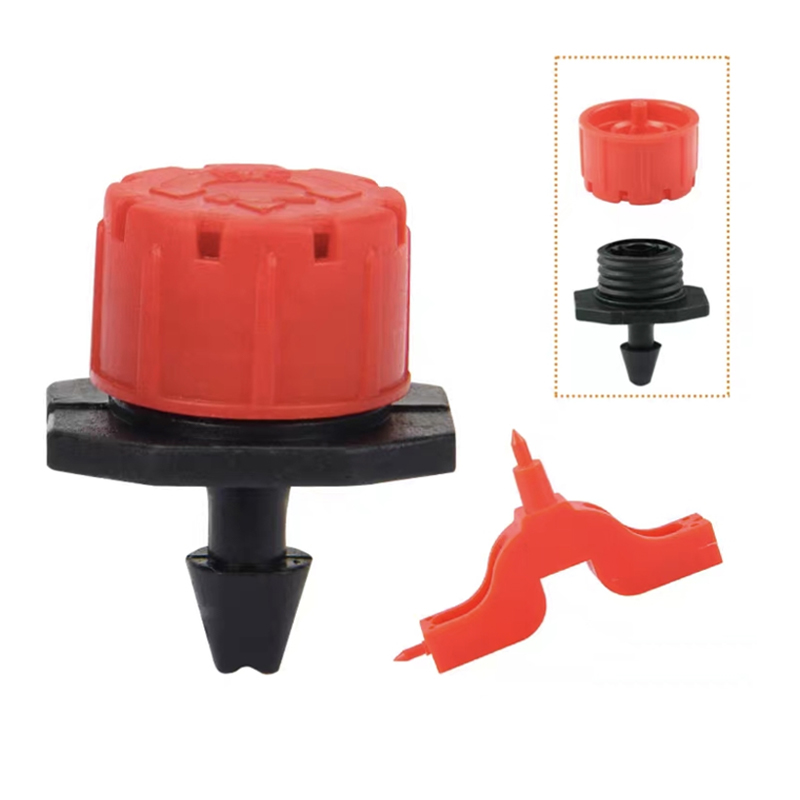 Drip emitters are critical components in drip irrigation systems, designed to deliver water directly to the plant root zone with minimal waste. These precision devices regulate flow rates, enabling co...
 -
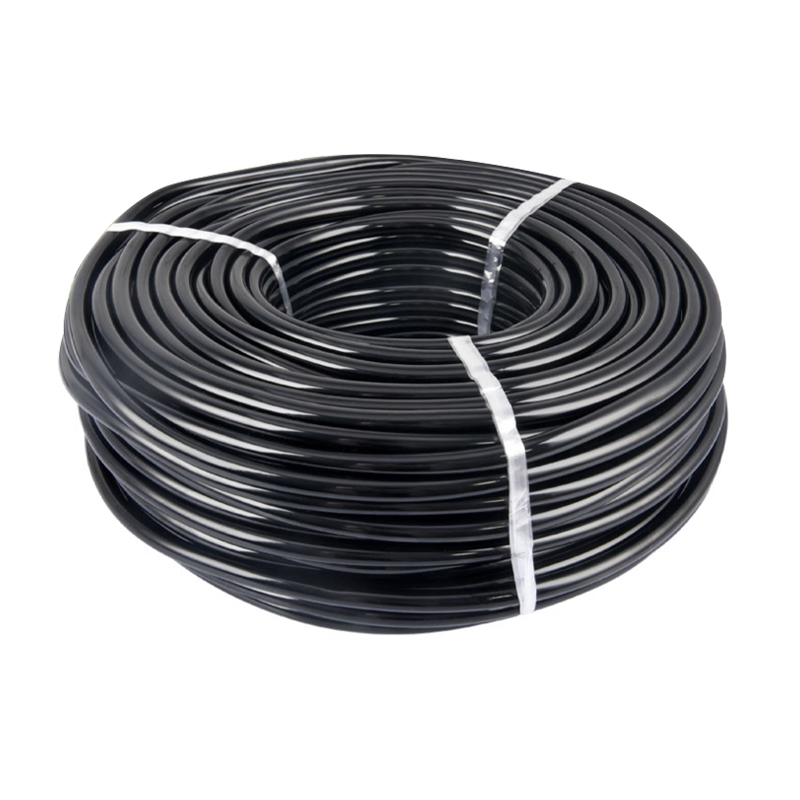 Drip irrigation tape and pipe are core components in modern precision irrigation systems, designed to deliver controlled volumes of water directly to the plant root zone. These systems significantly r...
 -
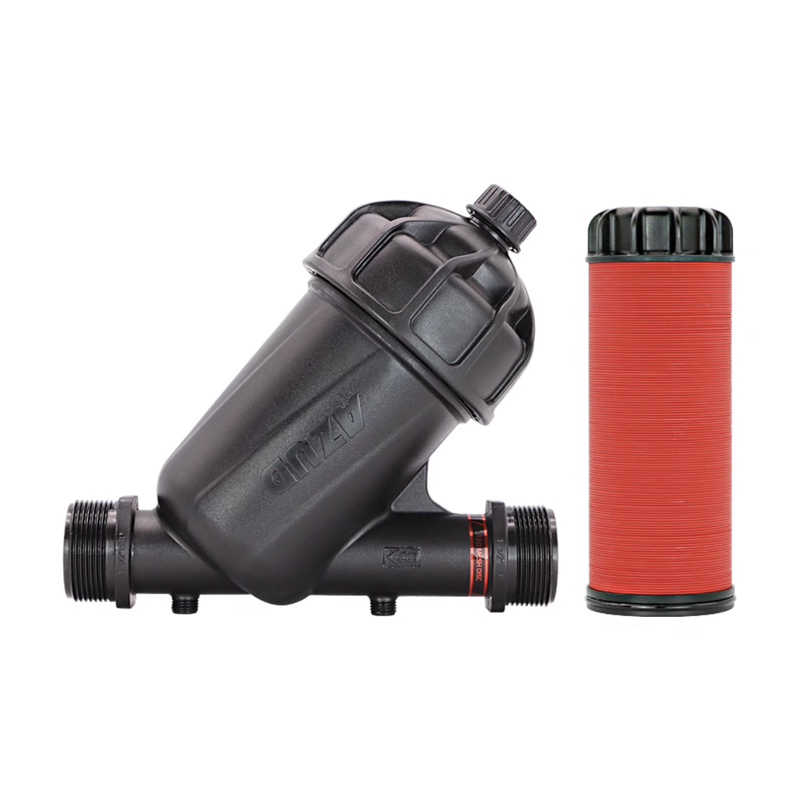 Irrigation water filters are essential components in agricultural and landscape irrigation systems. They prevent suspended particles, sand, and organic debris from entering pipes, valves, emitters, an...
 -
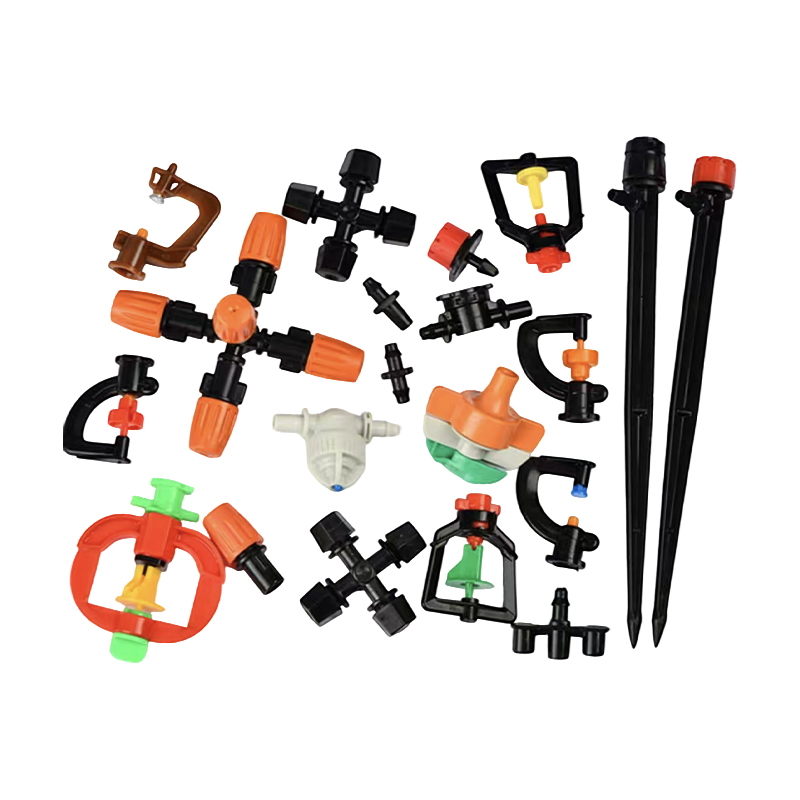 Micro sprinklers and spray heads with rotating nozzles are engineered to provide uniform, circular water distribution over defined areas. The rotating action ensures even spray coverage, making these ...
 -
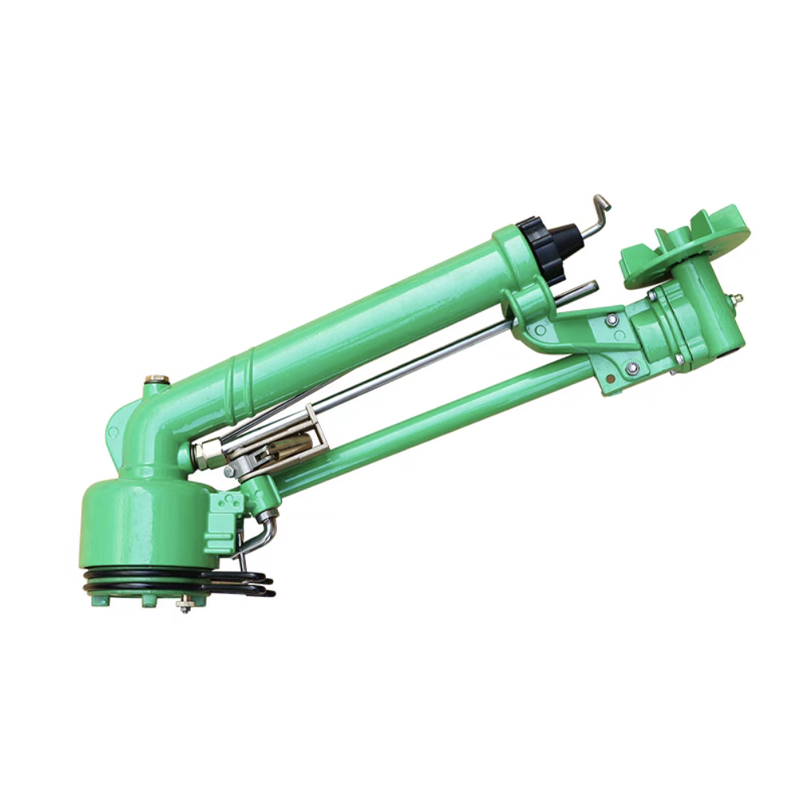 Agricultural rain guns are suitable for high-pressure, large-flow irrigation needs in open farmland, large plantations, and similar areas. With a rotating nozzle that enables directional or full-circl...
 -
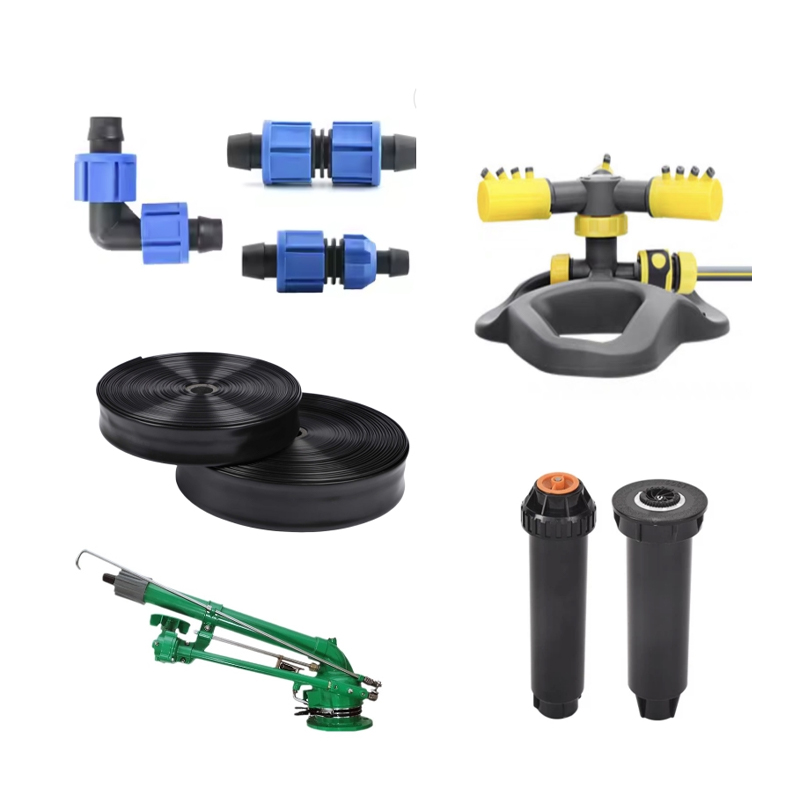 The mini ball valves for irrigation is a compact, easy-to-operate manual valve suitable for controlling water flow in low-pressure agricultural irrigation systems. It is commonly used in drip irrigati...
 -
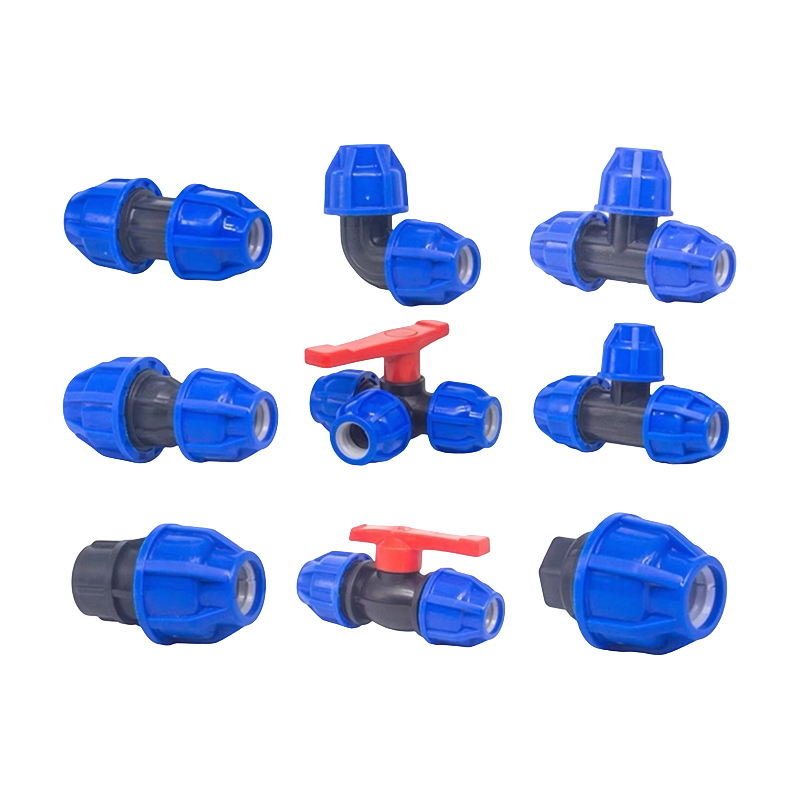 Irrigation pipe fittings are essential components in agricultural irrigation systems, used to connect and extend various water pipelines, ensuring smooth water flow and optimal distribution within the...

Irrigation System Solutions
Professional Irrigation System Solutions
We offer a comprehensive range of irrigation products, including high-pressure spray guns, drip irrigation tubing, precision sprinklers, water distributors, and engineering plastic connectors, specifically designed for modern agriculture, landscaping, and water-efficient irrigation.
Core Products
High-Pressure Spray Guns: Constructed from reinforced nylon or aluminum alloy, with a spray range of 15–50 meters, featuring drip-proof shutoff for large-scale field irrigation.
Drip Irrigation Tubing: Made of PE material with a wall thickness of 0.6–1.2 mm, equipped with pressure-compensating emitters (flow rate: 1.2–8 L/h) to ensure uniform water distribution.
Rotary Sprinklers: ABS/stainless steel construction, 360° adjustable spray angle, operating pressure of 2–4 bar, and coverage radius of 4–12 meters.
Water Distributors: Modular design supporting up to 12 outlets, integrated with 120-mesh anti-clogging filters.
Connection Systems: Quick-connect fittings, pressure-rated at 6 kg/cm², with temperature resistance from –30°C to 60°C.
About Alahot
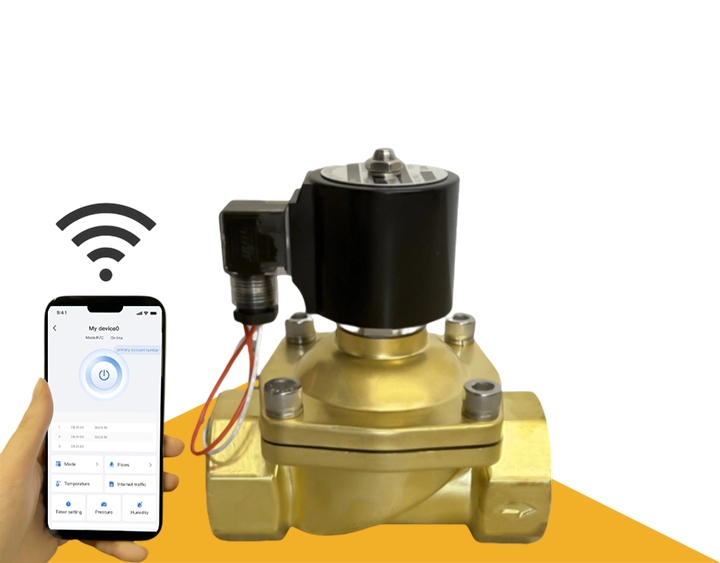
Alahot (Zhejiang) Technology Co., Ltd. is a technology-driven manufacturer of solenoid valves. As Irrigation System Solutions and Irrigation Water Valves Manufacturers in China, we integrate electromagnetic control, fluidic design, communication protocols, and software engineering to build valves with intelligent sensing and precise control.
We deliver more than components—we deliver control units that can be embedded into your system, sensing, responding, and collaborating to enhance overall performance and value.
At Alahot, technology is not a buzzword. It's a verifiable ability to solve. We’ve delivered solutions that others couldn’t.
From battery-powered irrigation systems, to closed-loop HVAC controls, to ultra-quiet miniature valve assemblies for medical devices. These weren’t product tweaks—they were full-stack, co-engineered systems from hardware to software. We can deliver your first sample in two weeks—or keep optimizing its every detail for five years.
News and Information
Industry knowledge
Pressure-Compensated Drip Networks and Valve Coordination
Designing a drip system that delivers uniform moisture requires pairing appropriately rated emitters and tubing with responsive Irrigation Water Valves. When using pressure-compensating emitters (1.2–8 L/h), size main lines to keep pressure within the emitters’ operating band—typically 0.8–1.5 bar at the emitter. Place the valve downstream of a manifold that equalizes head loss; this reduces the number of valve actuation events and ensures each valve controls a hydraulically consistent zone. For battery-powered installations, prefer pulse or latching valves that only draw power during state changes to preserve autonomy.
Coordinating High-Pressure Spray Guns with Electronic Valving
Large-field spray guns (15–50 m range) impose fast flow and transient loads on supply lines. Use electronically controlled valves with soft-start actuation to avoid pressure spikes that stress fittings and cause uneven distribution. Integrate pressure sensors at branch headers and implement simple PID loops in the valve controller to keep outlet pressure within a narrow band. This reduces nozzle drift, improves spray pattern stability, and lowers the chance of cavitation in long runs.
Embedded Control Units: Communication and Power Strategies
Modern Irrigation System Solutions move intelligence onto the valve. Choose controllers that support low-bandwidth protocols (LoRa, NB-IoT) for remote sites, and ensure local microcontrollers implement debounce, state verification, and watchdog timers to prevent stuck actuators. For solar-battery setups, evaluate worst-case duty cycles and use energy budgeting: calculate average daily pulses per valve and size battery plus PV to cover peak irrigation and multi-day autonomy with a safety margin of at least 30%.
Practical power-budget example
If a valve requires 0.05W per actuation pulse and a system averages 100 pulses per day, the total energy consumed by valve actuation is 5 Wh/day. Add sensor and controller draw—typically 0.5–1 Wh/day for ultra-low-power designs—to estimate battery capacity and solar panel requirements for reliable off-grid operation.
Anti-Clogging and Filtration Best Practices
Clogging is the leading cause of uneven irrigation. Install a 120-mesh (≈125 µm) or finer pre-filter upstream of manifolds, and add local screens at each valve inlet for systems using surface water. For drip lines, implement periodic flushing cycles controlled by the same valve network—open high-flow drain valves for short durations after each irrigation block to remove suspended solids. Backwashing is valuable for water distributors and increases long-term reliability.
Maintenance Workflow and Diagnostics
- Monthly: remote check of valve actuation counts and pulse success rate; flag valves with repeated failed attempts for on-site inspection.
- Quarterly: inspect filters, flush manifolds, and test pressure-compensating emitters for flow uniformity across the zone.
- Annually: perform electrical resistance checks on solenoid coils or latching actuators and verify sealing elements for wear, replacing O-rings and diaphragms as needed.
Selection Guide: Valve Types vs Typical Irrigation Needs
| System Requirement | Recommended Valve Type | Key Reason |
| Battery-powered drip zones | Latching / pulse valves | Minimal idle power, preserves battery life |
| Large-field spray & high flow | Proportional or soft-start solenoid valves | Smooth pressure ramp reduces spikes and hardware stress |
| Landscape and turf with frequent short cycles | Fast-response solenoid valves | Accurate timing and rapid switching for micro-scheduling |
Design Integration: From Drip Lines to System-Level Control
A robust Irrigation System Solutions architecture treats valves as nodes in a control topology. Group emitters by crop water demand, use modular water distributors to enable expansion, and implement hierarchical control—local valve controllers handle immediate pressure and flow stabilization while a central scheduler coordinates watering windows. Logging actuation timestamps and volumes enables analytics-driven optimization: detect underperforming zones, refine run times, and reduce overall water use while maintaining crop health.

Alahot is OEM/ODM Irrigation Water Valves Company in China. Follow our social media postings for the latest news and exhibitions.
Discover
Contact
-
 3/F, No.72 Desheng Lane, Gongshu District, Hangzhou, Zhejiang, China
 -

-
 +86-18768178590
Newsletter
Copyright © 2025 Alahot (zhejiang) Technology Co., Ltd.
All Rights Reserved.
OEM/ODM Irrigation Water Valves Company
