Industry knowledge
Materials and Coatings for Long-Term Corrosion Resistance
Choosing the correct base materials and surface treatments is the most effective way to extend service life in aggressive environments. Austenitic stainless steels such as 316L resist many chloride environments but are vulnerable to crevice and pitting corrosion if oxygen diffusion is restricted; duplex stainless steels increase strength and chloride resistance but require careful welding and post-weld treatment. Non-metallic options—PTFE-lined or PFA-lined flow paths and fluoropolymer-coated bodies—offer near-universal chemical resistance at the cost of lower mechanical load capacity and more complex sealing strategies. I design anti-corrosive solenoid valves with a layered approach: select the strongest compatible metal for pressure and mechanical load, then apply targeted coatings or linings to protect wetted surfaces where chemistry is hostile to the substrate.
Sealing Systems: Elastomers, Metal-to-Metal, and Hybrid Solutions
Seals determine whether an otherwise corrosion-resistant valve will fail prematurely. FFKM and perfluoroelastomers are preferred for extreme chemical compatibility and high temperature, but they’re costly and can be prone to compression set if not specified correctly. EPDM and FKM are common in water, steam and many hydrocarbons respectively; however, swelling, hardening, or embrittlement can occur when exposed to powerful oxidizers or strong bases. Metal-to-metal seating (hard seats) avoids elastomer degradation but demands extremely tight surface finish control and may require soft inserts to meet leak rate targets. Hybrid designs—metal seat with a replaceable polymer insert—offer a practical compromise in many industrial anti-corrosive valve applications.
Fluid Compatibility Mapping: Practical Checklist
- Identify the strongest oxidizing and reducing agents present during normal operation and upset conditions; compatibility must be checked for both.
- Map maximum expected concentration and temperature—chemical attack rates often accelerate exponentially with temperature.
- Consider multi-phase flow (gas + liquid + solids): erosion-corrosion can dominate where particulates are present.
- Plan for intermittent operations and dead-legs—stagnant volumes promote localized corrosion.
- Verify compatibility of any cleaning, passivation, or CIP chemicals used during maintenance.
Design for Maintainability and Inspectability
Anti-corrosive valves must be designed so the most vulnerable parts are easily inspected and replaced. Modular solenoid cartridges, bolt-on actuator interfaces, and replaceable liners reduce downtime by enabling field swaps rather than full-body replacement. Add access ports for crevice inspection and consider visual indicators (position flags, magnetic sensors) that do not require disassembly to detect stuck or partially open valves. We engineer products so service technicians can replace a wet seal or actuator module in minutes rather than hours.
Testing Protocols and Standards to Validate Anti-Corrosive Performance
Beyond standard endurance cycles, employ accelerated corrosion tests targeted to the expected environment: salt spray (ASTM B117) for chloride exposure, cyclic humidity for condensation-prone sites, and sulfide stress cracking tests where sour gas is present. For wetted polymers and coatings, perform extractables/solubles and adhesion testing after thermal cycling to ensure coatings won’t delaminate under service. Where safety and containment are critical, leak-by testing at elevated temperature and pressure combined with chemical exposure provides a better predictor of field performance than dry bench tests alone.
Selection Guide: Coating / Lining vs. Material Change (Quick Reference)
| Application |
Preferred Strategy |
Key Tradeoffs |
| Strong acids (e.g., HCl) |
PTFE/PFA lining or Hastelloy C family |
Lining limits pressure/temp; exotic alloys cost more |
| Chlorinated brines |
Duplex stainless / super duplex |
Weldability and HAZ treatment required |
| Oxidizing cleaners / bleach |
High-grade fluoropolymers, FFKM seals |
Higher material cost; thermal limits |
Installation and System Integration Best Practices
Orientation, support, and piping layout strongly affect corrosion outcomes. Avoid trapping low points where corrosive liquids can stagnate; provide drip legs and automatic drain valves. Use sacrificial anodes or impressed current cathodic protection for buried or submerged valves where applicable. Electrically, ensure the actuator housing and solenoid coils are isolated or bonded appropriately to prevent galvanic cells forming between dissimilar metals. When embedding valves into larger control systems, route sensor wiring and communication cabling away from sources of corrosive spray and apply ingress protection appropriate to the site classification.
Preventive Maintenance, Diagnostics and Remote Sensing
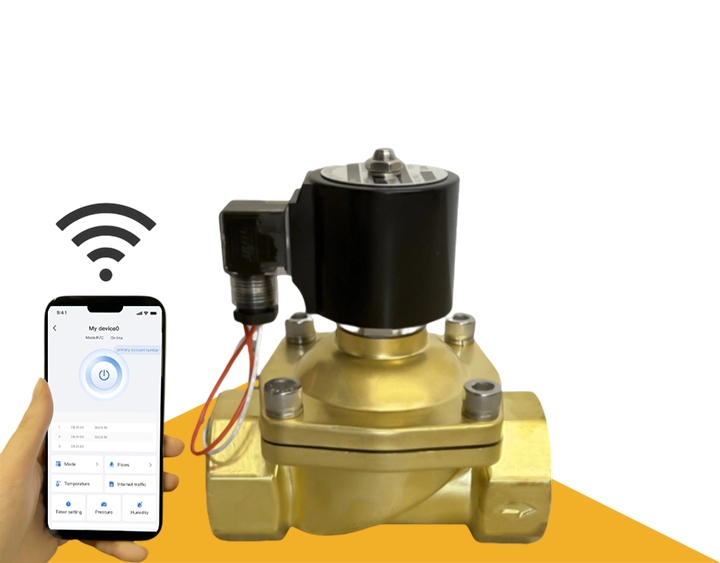
A preventive strategy reduces unexpected failures: schedule visual checks, functional stroke tests, and leak checks at intervals determined by the process severity. Integrate diagnostic sensors—coil current monitoring, valve position feedback, and differential pressure sensors across the valve—to detect early signs of increased friction, partial blockage, or seal leakage. Predictive analytics based on trends can trigger maintenance before a corrosive failure occurs. At Alahot, we embed sensing and communication so the anti-corrosive solenoid valve itself becomes an early-warning node in your plant’s health system.
Troubleshooting Checklist for Field Technicians
- Confirm media chemistry against original material specification—process changes are a common root cause.
- Measure actuator coil resistance and compare with baseline; high resistance drift can indicate water ingress or coating failure.
- Perform leak-by measurement at rated temperature to reveal seal degradation invisible at ambient.
- Inspect for mechanical wear patterns—erosion corridors can indicate particle impingement that accelerates corrosion locally.
- Log and compare telemetry (current, position, temperature) to detect gradual degradation versus sudden faults.
These practical strategies reduce corrosion risk and operational downtime. If you need valves that combine rugged anti-corrosion materials with intelligent sensing and communication, we bring engineering and software together so the valve does more than open and close—we make it part of your control and diagnostic fabric.



 English
 Español

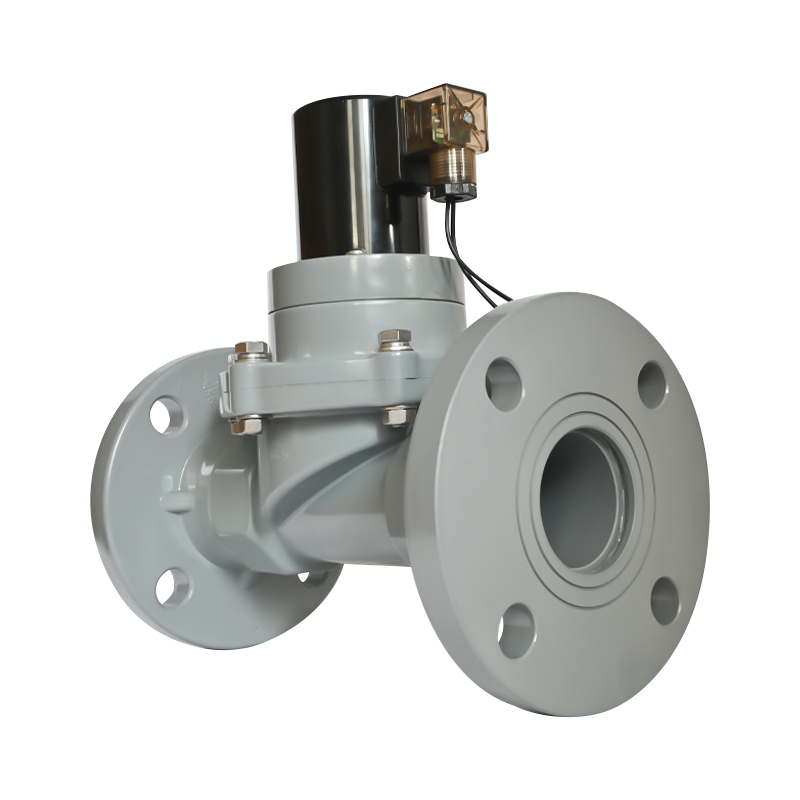 Engineered for corrosive fluid environments, the Lightweight UPVC Anti-Corrosive Solenoid Valve from the AC/ACK Series features a compact, lightweight structure and outstanding chemical resistance. Ut...
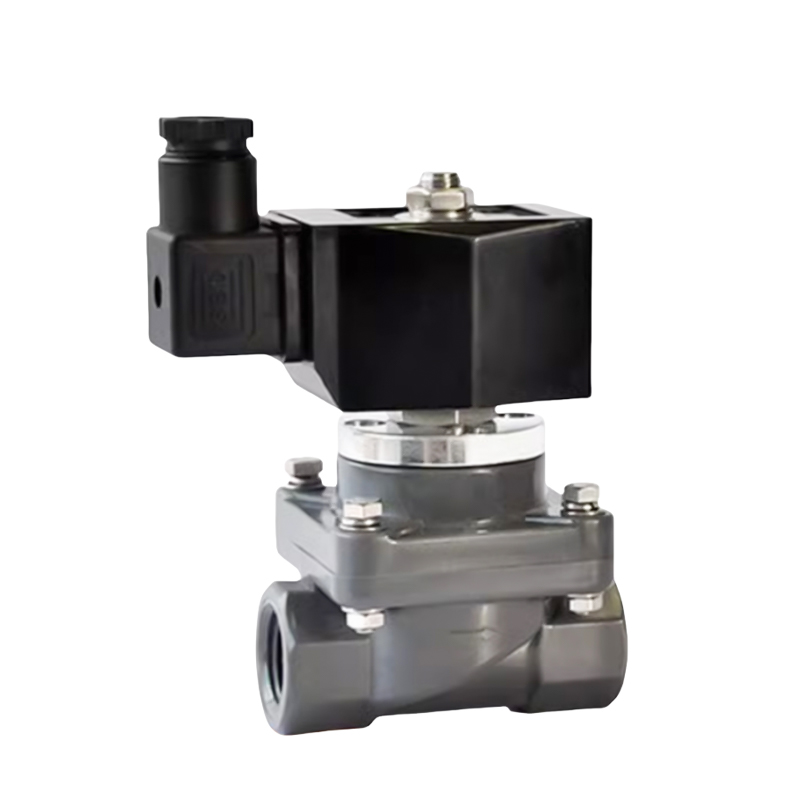 The CPVC Anti-Corrosive Solenoid Valve from the AC/ACK Series offers a reliable solution for managing corrosive liquids in chemical processing and fluid control systems. Made from chlorinated polyviny...
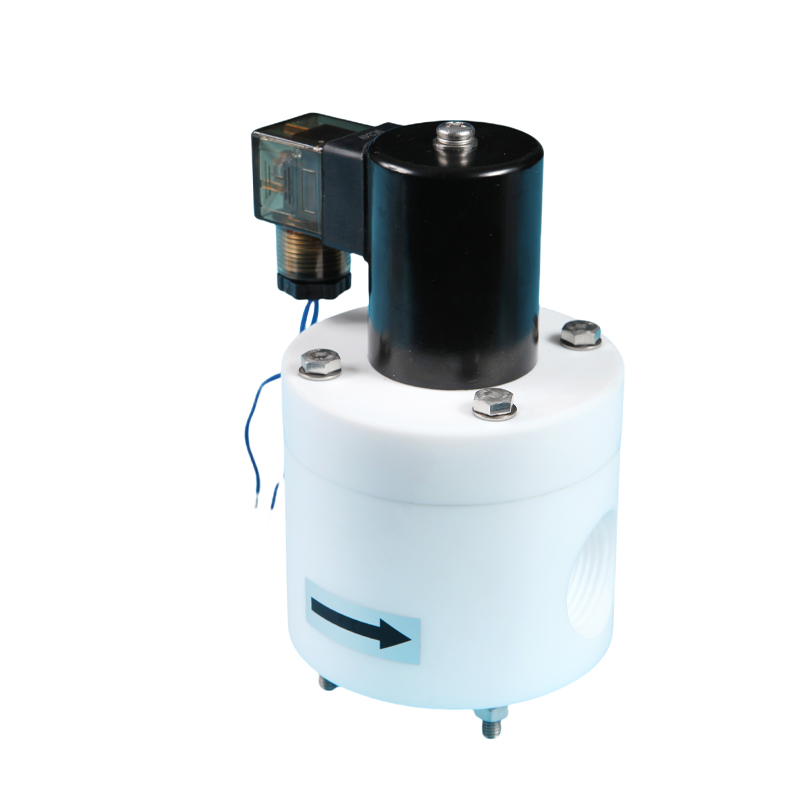 The PTFE Anti-Corrosive Solenoid Valve from the AC/ACK Series is engineered for maximum resistance against highly aggressive chemicals. Constructed with pure polytetrafluoroethylene (PTFE), this pilot...