Industry knowledge
Materials and sealing strategies for high-temperature service
High-temperature solenoid valves face accelerated material degradation: elastomers harden or flow, insulation breaks down, and metals can suffer creep. For temperatures above 200°C, metallic sealing (such as stainless steel or nickel alloys combined with metal-to-metal seat designs) becomes preferable to elastomeric seals. Where soft sealing is required for leak tightness, use high-temperature fluoroelastomers (e.g., high-temperature FKM variants) or perfluoroelastomers (FFKM) rated for elevated temperatures, and limit their exposure time to peak temperatures through cooling or thermal barriers.
We design valve bodies and seats to minimize thermal expansion mismatches — for example, matching seat rings and spools in similar alloys or using compliant metallic spring elements to maintain sealing force across temperature swings. In steam and hot oil systems, sacrificial or replaceable seat inserts simplify maintenance without replacing the entire valve.
Coil design, insulation classes and thermal management
The solenoid coil is the most temperature-sensitive component. Choose wire insulation rated at least one class above the expected operating temperature (for example, Class H or R insulation for continuous exposures near 180–200°C). For intermittent high peaks, use mica or ceramic wire winding supports and potting compounds formulated for elevated temperatures.
- Use coil temperature sensors (PT100/NTC) to enable active thermal derating when the coil approaches its limits.
- Thermal breaks (ceramic or laminated headers) isolate the coil from hot process fluid in inline valves.
- Forced cooling (air channels, fins) or liquid jacket cooling can be used where space and complexity permit.
At Alahot, we integrate coil temperature sensing so the system can gracefully reduce duty cycle rather than fail — a small investment that extends service life substantially.
Thermal cycling, fatigue and mechanical design considerations
High operating temperatures combined with frequent thermal cycling cause differential expansion that drives fatigue in stems, springs, and solder joints. Design tactics include:
- Use high-temperature alloys (Inconel, 316/17-4PH stainless) for stems and springs to retain strength at temperature.
- Employ mechanical tolerancing strategies (oversize clearance, guided bushings) to prevent seizure during differential expansion.
- Design replaceable wear components (seals, seats, pilot orifices) to reduce downtime and avoid full valve replacement after thermal fatigue damage.
Application-specific examples: steam, hot oil, and exhaust gas
Steam service: use condensate drainage and avoid pockets that trap water—thermal shock from condensate flashing can crack seats. Stainless steel trim with metal seating is common; soft seals are limited to low-duty pilot stages. Hot oil systems: prioritize cleanliness and filtration because hot oils accelerate deposit formation that impairs seating and actuation. Exhaust gas: corrosive compounds and particulates demand corrosion-resistant coatings and larger clearances to avoid clogging.
When possible, locate the solenoid coil outside the hottest gas stream and route the actuator linkage through a cooled or thermally insulated housing to keep electrical components within rated limits.
Selection criteria and a quick comparison table
| Criterion |
Best option for ≤150°C |
Best option for 150–300°C |
Notes |
| Seal type |
Viton/EPDM |
FFKM or metal seat |
Soft seals last longer below 150°C; above that prefer metal or specialty compounds. |
| Coil insulation |
Class F/H |
Class H/R with mica/ceramic supports |
Higher classes mitigate continuous heat stress. |
| Body material |
Stainless steel |
High-nickel alloys |
Consider corrosion and creep resistance for long life. |
Diagnostics, sensors and embedded control for reliability
Embedding temperature and position sensors in the valve allows predictive maintenance and safer operation under high-temperature conditions. Typical sensor set:
- Coil temperature (RTD/thermistor) for thermal derating and alarm.
- Stem/armature position sensing (inductive or Hall effect) to verify full travel and detect sticking early.
- Internal pressure or differential sensors for process feedback and leak detection.
We embed these sensing modalities into our control units so valves can report health and accept remote setpoints — enabling remote derating, automated purging cycles, and predictive alerts that reduce unplanned downtime.
Installation, commissioning and maintenance best practices
Proper orientation, support, and wiring keep high-temperature valves functioning. Key practices:
- Avoid locating electrical enclosures directly above hot lines; use flexible conduit and heat shields if routing is unavoidable.
- During commissioning, perform thermal soak tests to verify there is no seizure or excessive leakage after reaching operating temperature.
- Schedule inspections of seals and coil insulation after the first 100–500 hours in a new high-temperature application; replace sacrificial parts proactively.
Standards, safety and documentation
High-temperature installations often cross regulatory domains — pressure equipment directives, ATEX/IECEx for explosive atmospheres, or API/ASME for process plants. Documented thermal ratings, test reports (thermal cycling, vibration, leak tightness), and traceability for high-temperature alloys are essential for safety cases and insurance. Specify maximum continuous and peak transient temperatures explicitly in purchase orders and acceptance tests.
Final selection checklist
- Define continuous and short-term peak temperatures, plus expected thermal cycles per hour/day.
- Choose seat material and coil insulation class to exceed the highest expected condition.
- Specify embedded monitoring and remote derating if process changes could expose the valve to unexpected heat spikes.
- Confirm maintenance intervals and availability of replaceable trim parts to minimize downtime.
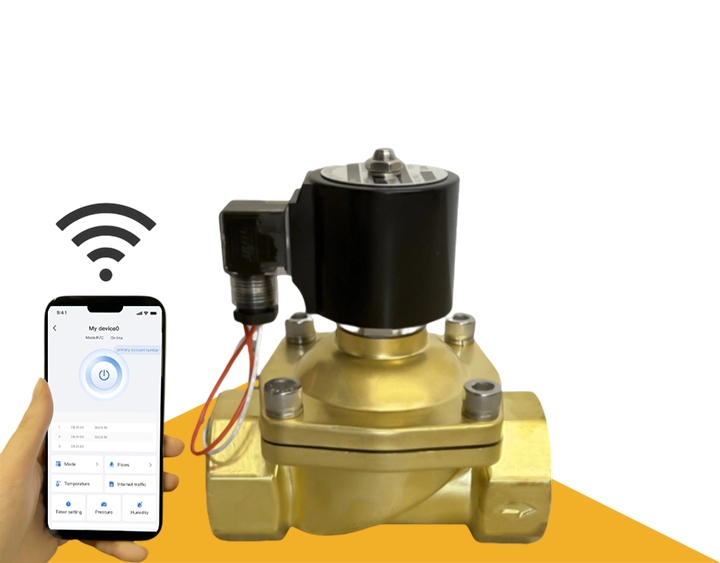
If you want High-temperature solenoid valves that actively protect themselves and report health back to your control system, we can provide integrated units with sensors and communication — because we don’t just sell components, we deliver control that keeps systems running.



 English
 Español

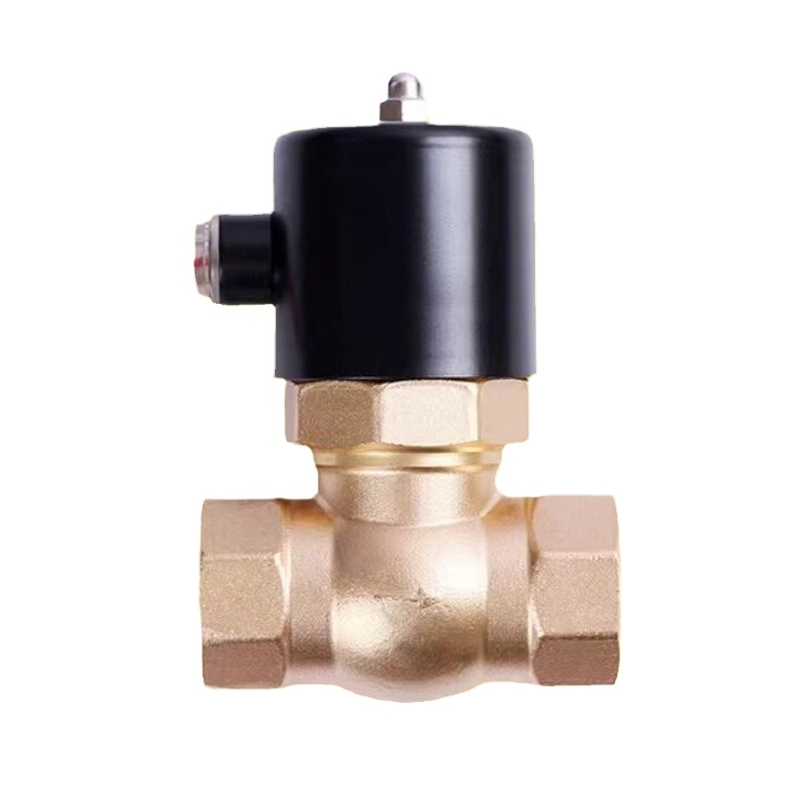 The Brass High Temperature Solenoid Valve from the 2L Series is engineered for precise fluid control in thermal applications requiring consistent performance at elevated temperatures. Utilizing a latc...
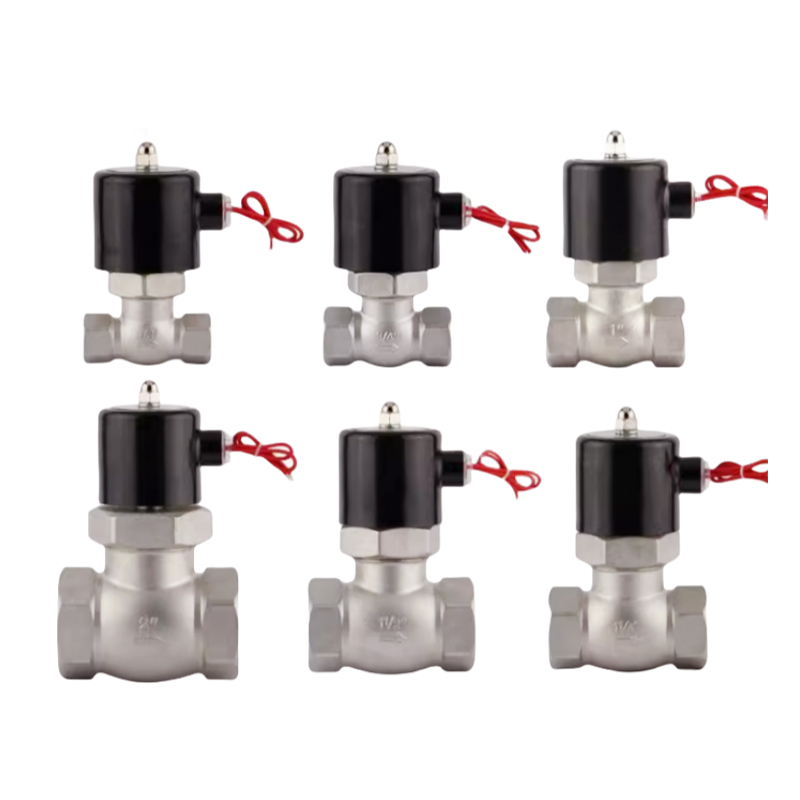 Designed for demanding thermal applications, the 2L Series 304 Stainless Steel High Temperature Solenoid Valve offers precise control and long-term reliability under elevated temperatures. With a latc...