Industry knowledge
When designing systems with miniature solenoid valves, achieving optimal flow performance is critical. Flow rate depends not only on the valve orifice size but also on the valve response time and the pressure differential across the valve. Engineers often use the Kv (flow coefficient) to compare valve efficiency, and precise calculations can prevent cavitation or excessive pressure drop in sensitive systems.
- Choosing a valve with a slightly larger orifice can reduce resistance but may increase response time.
- Using pulse-width modulation to control valve energization can fine-tune flow without mechanical changes.
- Regularly cleaning valve internals ensures consistent performance in fluids with minor particulates.
Material Selection for High-Temperature Applications
Miniature solenoid valves are often used in environments exceeding 150°C, such as steam systems or industrial ovens. Selecting the right materials for the valve body, seals, and plunger is essential to maintain performance and avoid premature failure.
- Stainless steel or brass bodies offer excellent thermal conductivity and corrosion resistance.
- PTFE and FKM seals can withstand elevated temperatures while maintaining chemical compatibility.
- Special coatings like nickel plating can improve wear resistance for valves used in abrasive fluids.
Energy Efficiency Strategies for Solenoid Valve Systems
Reducing power consumption is critical when multiple solenoid valves operate continuously. Proper coil design and control strategies can significantly reduce energy usage.
- Using latching solenoids eliminates the need for constant current, holding the valve state without energy input.
- Selecting valves with low-holding current coils reduces power draw during operation.
- Implementing smart control systems can optimize valve actuation cycles to match real-time process requirements.
Miniature Solenoid Valves in Precision Fluid Control
In microfluidic applications, miniature solenoid valves enable precise dispensing and mixing of small fluid volumes. Key factors include response speed, repeatability, and dead volume reduction.
| Parameter |
Recommended Specification |
| Response Time |
< 10 ms |
| Dead Volume |
< 5 μL |
| Repeatability |
±1% |
Common Causes of Solenoid Valve Malfunction
Understanding why miniature solenoid valves fail helps prevent downtime. Failure is often related to mechanical, electrical, or fluid-related issues.
- Debris or particulate contamination can block the orifice or damage the plunger.
- Coil burnout from overvoltage or prolonged energization can render the valve inoperative.
- Seal degradation due to incompatible chemicals or high temperatures can lead to leakage.
- Magnetic interference in the surrounding environment may reduce the actuation force.
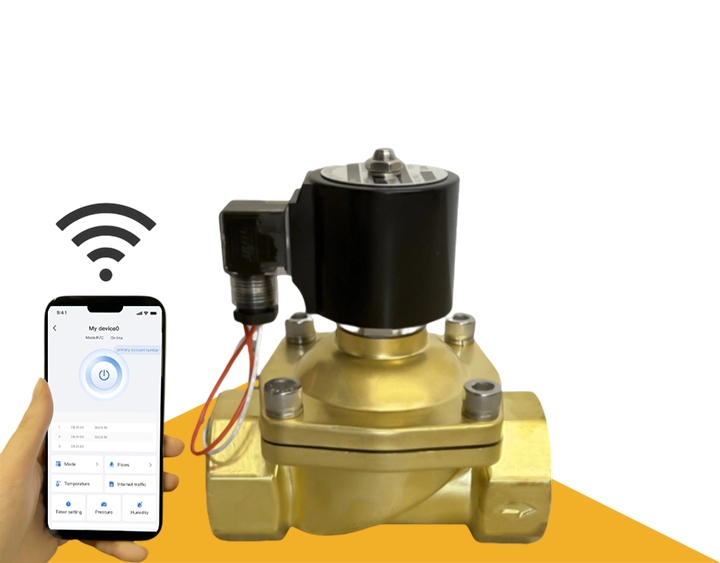
Integration of Solenoid Valves with IoT Systems
Modern industrial systems increasingly integrate miniature solenoid valves with IoT monitoring for predictive maintenance and real-time control. This enhances reliability and reduces manual intervention.
- Sensor-equipped valves can report position status, flow rates, and operational anomalies.
- Remote diagnostics allow early detection of wear or blockages before they cause system failures.
- Data analytics can optimize valve actuation schedules for energy and resource efficiency.



 English
 Español

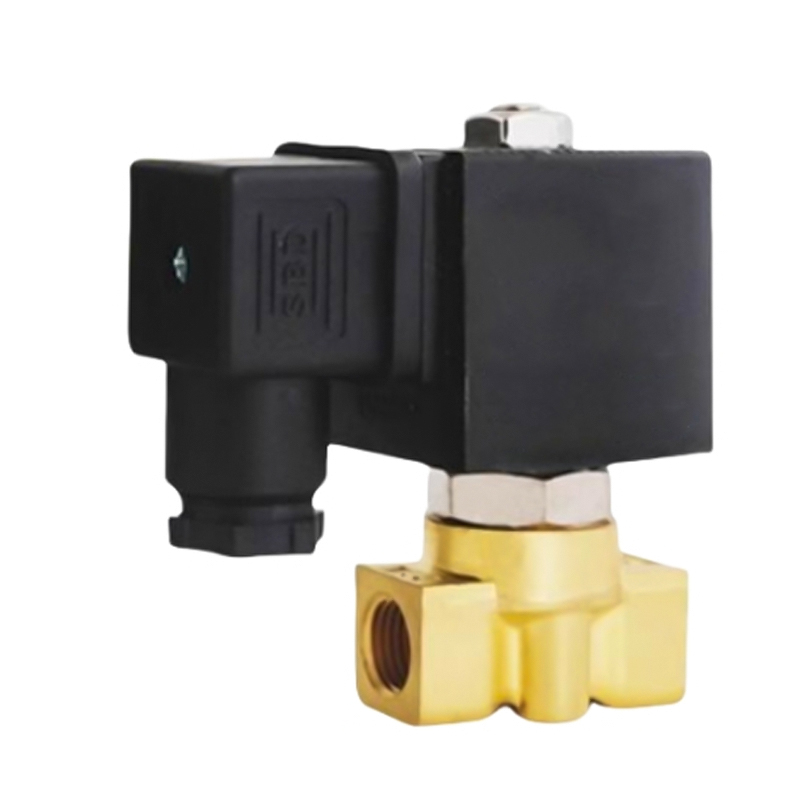
 The ALM Series Compact Brass Miniature Solenoid Valve is designed for precise fluid control in space-limited environments. Available in 1/8" and 1/4" sizes, this valve delivers efficient performance w...
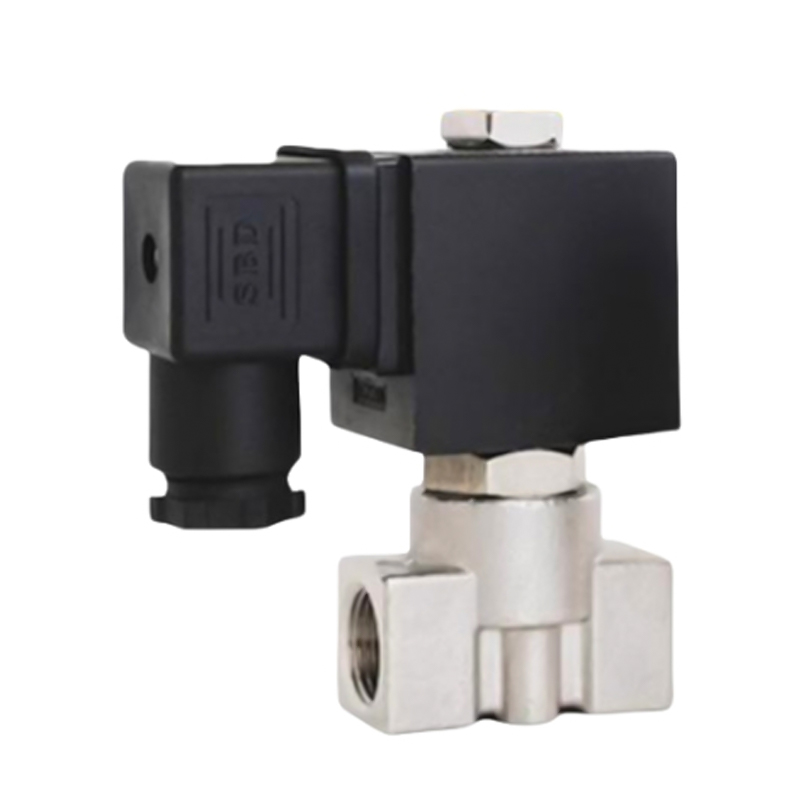
 The ALM Series 304 Stainless Steel Miniature Solenoid Valve offers reliable fluid control in compact spaces where corrosion resistance and performance stability are critical. Available in 1/8" and 1/4...