


 English
 Español
News
Industry News
How do Floor Heating Pipes contribute to uniform heat distribution?
Content
- 1 The fundamental role of floor heating pipes in heat transfer
- 2 Pipe layout patterns and their impact on uniformity
- 3 Pipe spacing as a control for heat balance
- 4 Thermal mass and heat diffusion through the floor
- 5 Water flow rate and temperature regulation
- 6 Vertical temperature profile and occupant comfort
- 7 Practical design considerations for consistent results
- 8 Conclusion: why pipe design defines uniform heating
The fundamental role of floor heating pipes in heat transfer
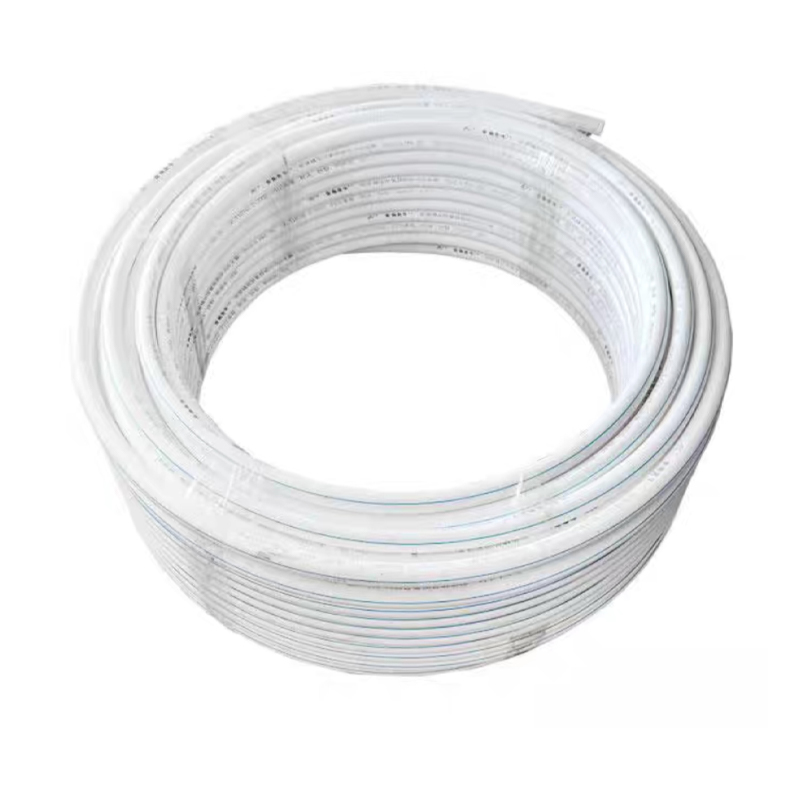
Floor heating pipes are the core component that determines how evenly heat is delivered across a room. Unlike radiators, which release heat from a single or limited number of points, floor heating pipes distribute thermal energy over a wide surface area beneath the floor finish. Warm water or electric heating elements inside these pipes act as continuous heat sources, allowing heat to rise gently and uniformly from the floor upward.
This method relies on low-temperature, large-area heat emission. Because the pipes are embedded across the entire floor plane, heat does not concentrate in one location. Instead, it spreads laterally before moving upward, which significantly reduces temperature gradients between different parts of the room.
Pipe layout patterns and their impact on uniformity
The way floor heating pipes are arranged directly influences how evenly heat is distributed. Two common layouts are widely used because they address heat loss and flow direction in practical ways.
Serpentine (meander) layout
In a serpentine layout, a single pipe runs back and forth across the room. This design is simple and cost-effective, but temperature differences can occur if not carefully planned. Areas near the supply end may be warmer than those near the return end. To maintain uniform heat, installers often reduce pipe spacing near colder external walls.
Spiral (counterflow) layout
The spiral layout alternates supply and return pipes side by side. This creates a balancing effect, as hotter and cooler water flows are adjacent. As a result, surface temperatures remain more consistent across the floor, making this layout particularly effective for large or open spaces.
Pipe spacing as a control for heat balance
Pipe spacing determines how much heat is delivered per square meter of floor area. Closer spacing increases heat density, while wider spacing reduces it. Proper spacing ensures that no cold zones appear between pipes.
- Narrow spacing (100–150 mm) is commonly used near exterior walls or large windows where heat loss is higher.
- Standard spacing (150–200 mm) suits interior zones with stable thermal conditions.
- Wider spacing (over 200 mm) may be acceptable in low-demand areas but can reduce perceived comfort.
By adjusting spacing based on room function and heat loss, floor heating pipes deliver a consistent surface temperature that feels natural underfoot.
Thermal mass and heat diffusion through the floor
Floor heating pipes are usually embedded in screed or concrete, which acts as a thermal mass. This mass absorbs heat from the pipes and releases it slowly and evenly across the floor surface. The result is stable indoor temperatures with minimal fluctuations.
Because the entire floor becomes a low-temperature radiator, heat diffusion occurs in all directions. This minimizes hot spots directly above pipes and prevents rapid cooling when the system cycles off.
Water flow rate and temperature regulation
Uniform heat distribution depends not only on pipe placement but also on how water flows through the system. Balanced flow rates ensure that each loop receives the correct amount of thermal energy.
| Flow Parameter | Effect on Heat Distribution |
| Low flow rate | Uneven heating and cooler return zones |
| Balanced flow rate | Stable and uniform floor temperature |
| Excessive flow rate | Reduced efficiency and unnecessary energy use |
Manifolds with individual loop controls allow installers to fine-tune flow, ensuring every section of the floor contributes equally to overall comfort.
Vertical temperature profile and occupant comfort
Floor heating pipes create an ideal vertical temperature gradient. The warmest air remains near the floor, where occupants feel it most, while cooler air stays near the ceiling. This contrasts with radiator systems that often overheat upper air layers.
This balanced vertical profile reduces drafts, limits air circulation, and improves perceived comfort even at lower thermostat settings.
Practical design considerations for consistent results
To achieve uniform heat distribution, practical design and installation decisions are critical.
- Use insulation beneath the pipes to prevent downward heat loss.
- Divide large areas into multiple loops to maintain even flow and temperature.
- Match pipe diameter and spacing to the heating load of each room.
When these factors are properly addressed, floor heating pipes function as a coordinated system that delivers steady, uniform heat without complexity for the end user.
Conclusion: why pipe design defines uniform heating
Floor heating pipes contribute to uniform heat distribution by combining wide-area coverage, controlled flow, and effective thermal mass. Their layout, spacing, and regulation determine how evenly heat spreads across the floor and rises into the living space. With thoughtful design and installation, these pipes provide consistent comfort, energy efficiency, and a naturally balanced indoor environment.
Our Main Products
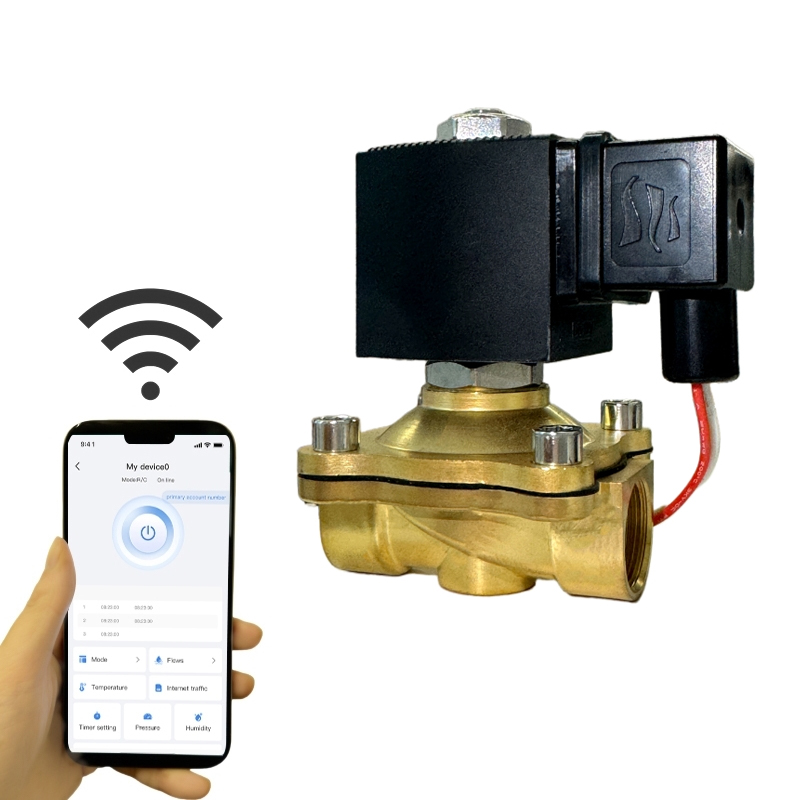
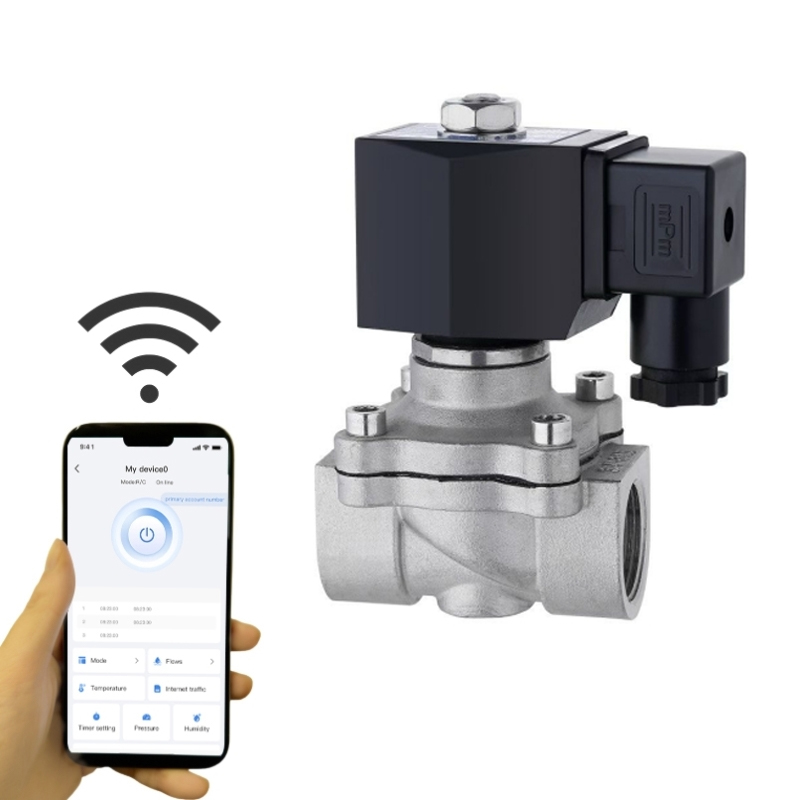
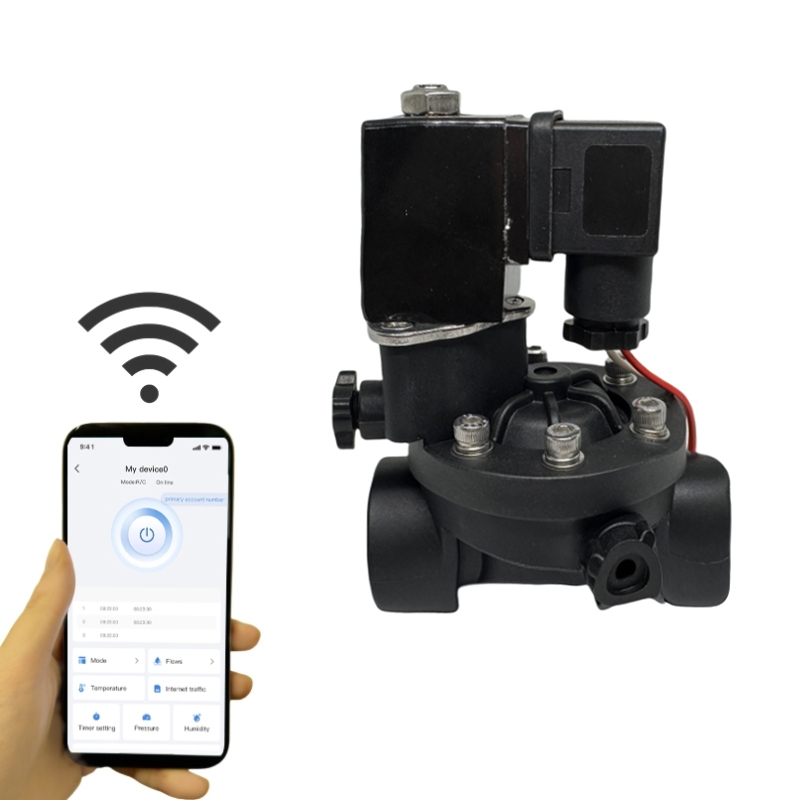
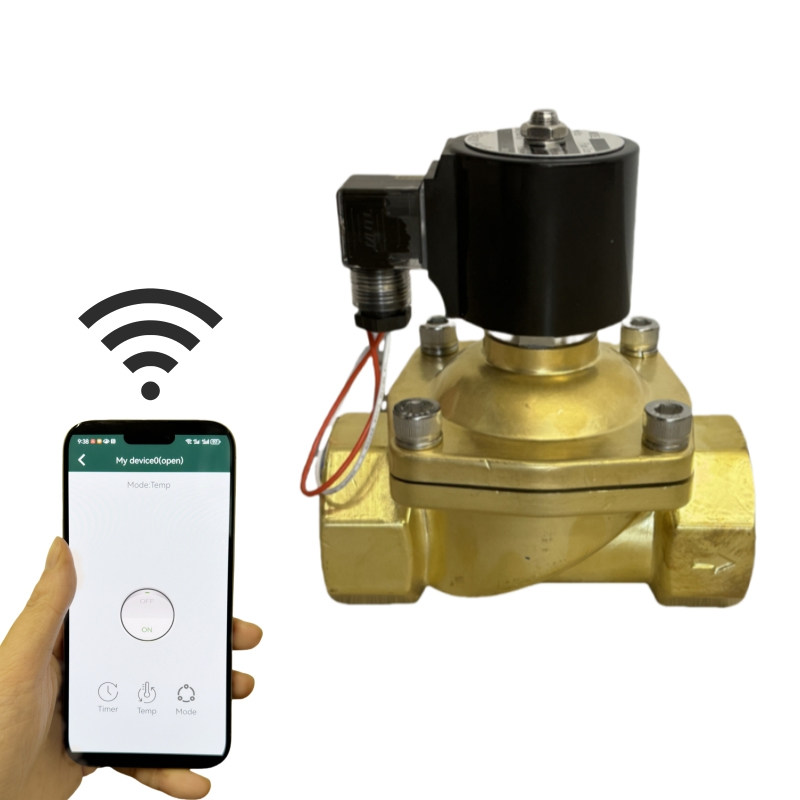
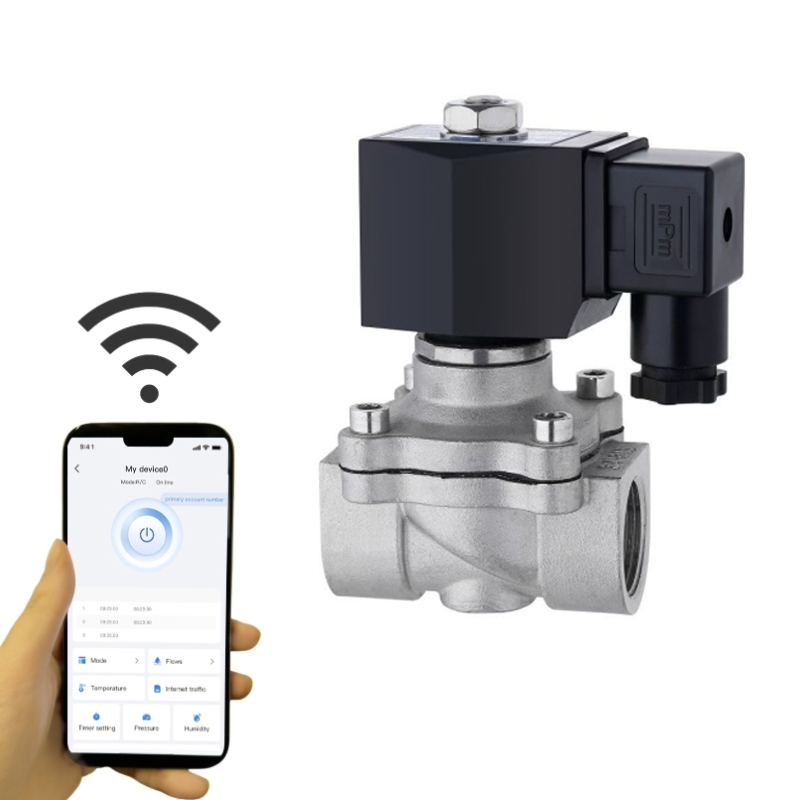

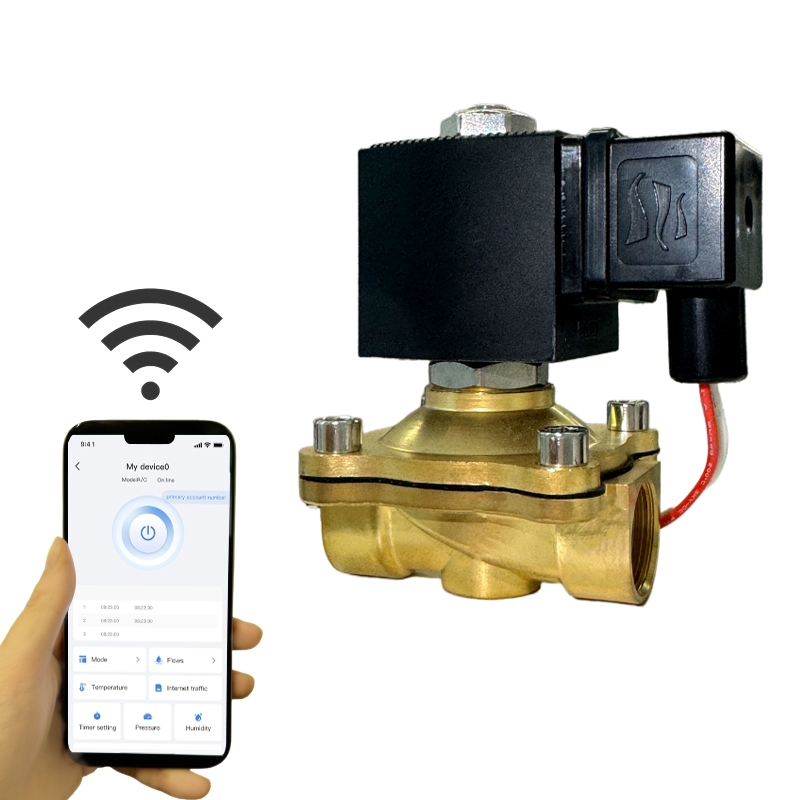
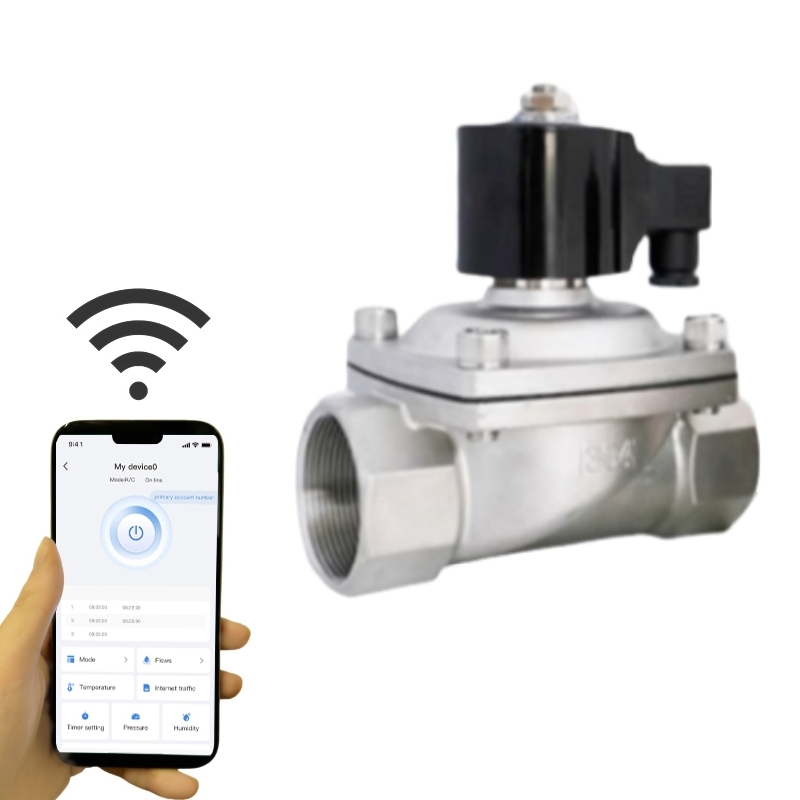
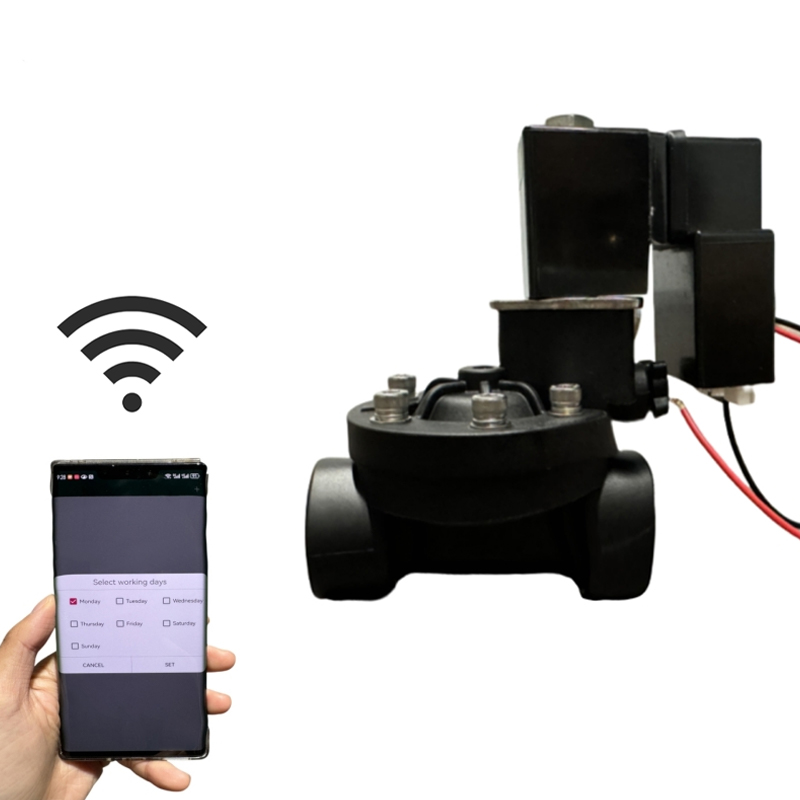
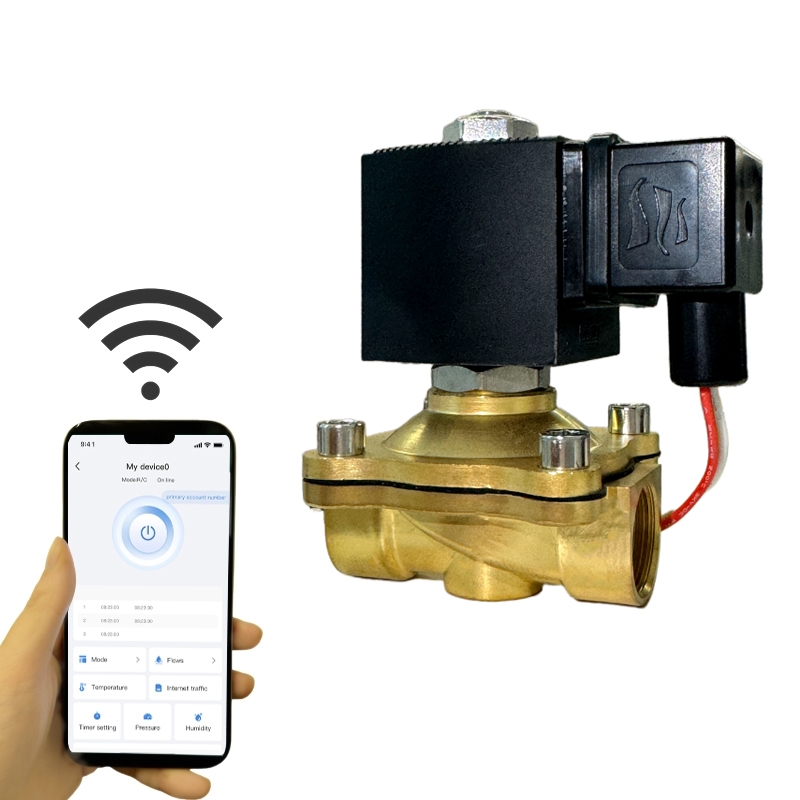
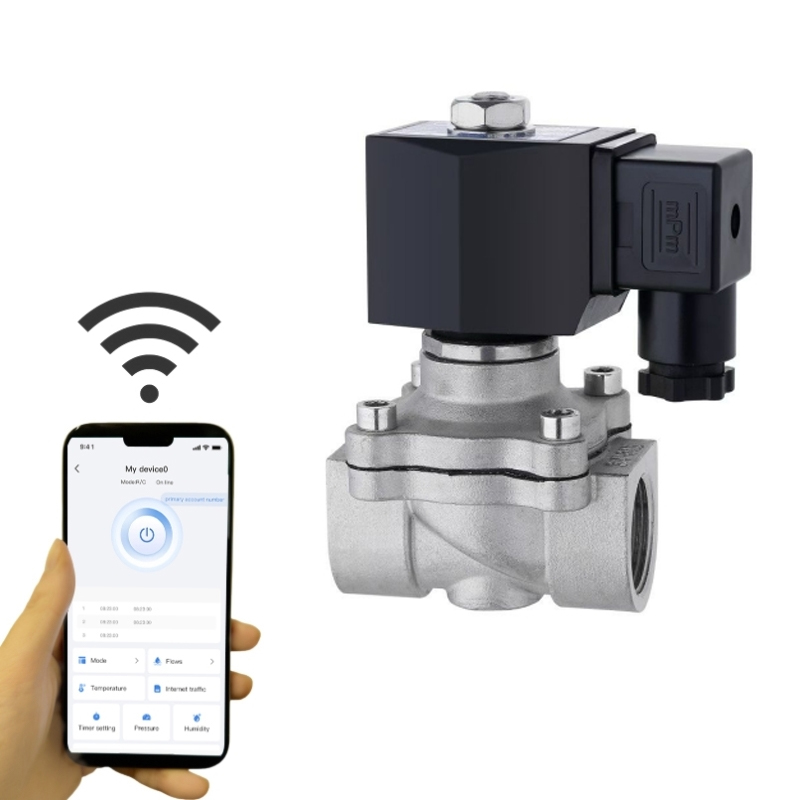


Alahot is Water Solenoid Valves Manufacturer and Factory in China. Follow our social media postings for the latest news and exhibitions.
Discover
Contact
-
 3/F, No.72 Desheng Lane, Gongshu District, Hangzhou, Zhejiang, China
 -

-
 +86-18768178590
Newsletter
Copyright © 2025 Alahot (zhejiang) Technology Co., Ltd.
All Rights Reserved.
OEM/ODM Electric Solenoid Valves Manufacture
