


 English
 Español
News
Home / News / Solenoid Valve Solutions / Zero-Power Integrated Reset-Type Latching Solenoid Valve in Fire Protection
News
Content
In a preaction or deluge system, the pilot valve is the single point where an electrical failure and a fire event can collide. If a control cabinet loses power in the middle of a fire — from a tripped breaker, a damaged run of conduit, or a drained backup battery — the valve controlling water release has to fall into a defined, predictable state. Continuously energized solenoids do not offer that guarantee cleanly; they simply stop being energized, and their behavior at that instant depends entirely on spring bias and mechanical wear.
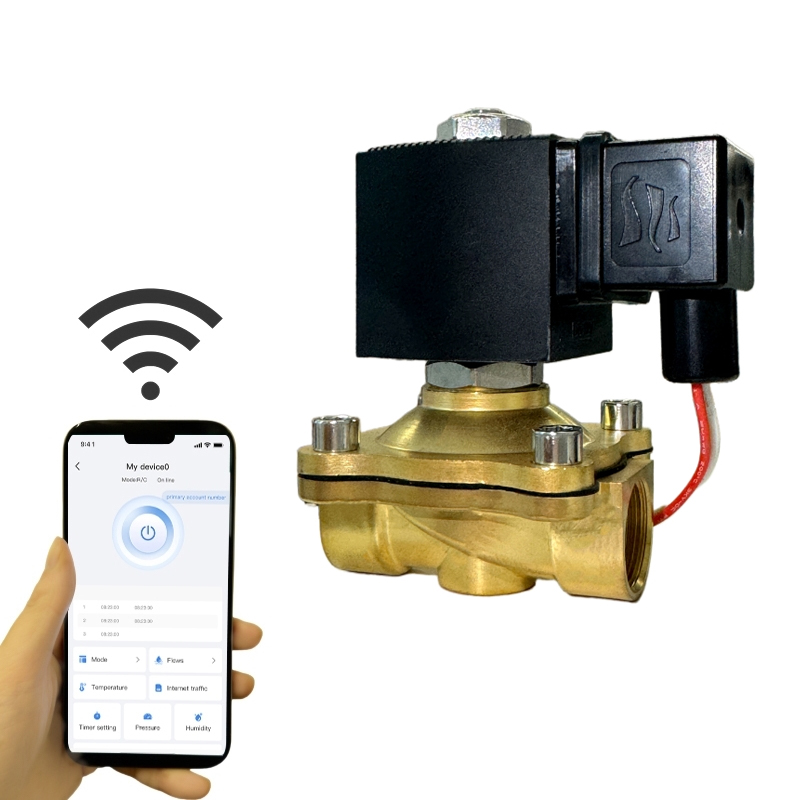
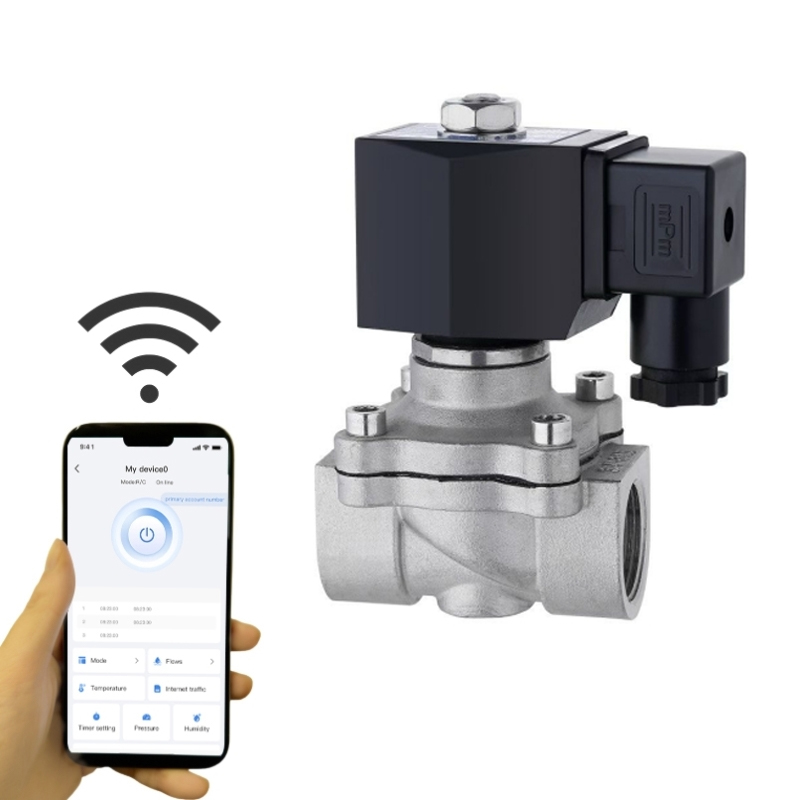
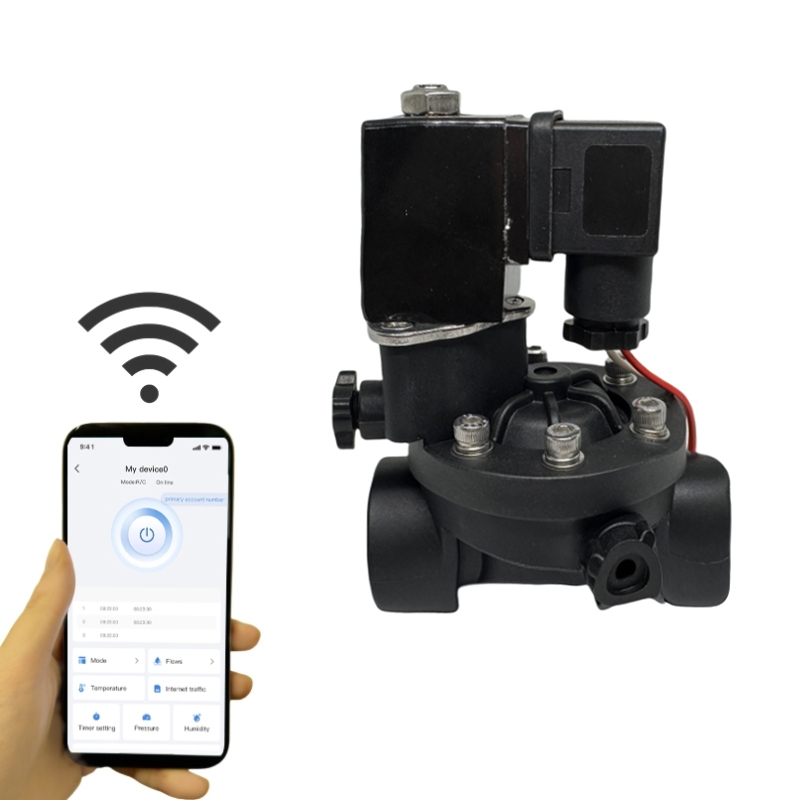
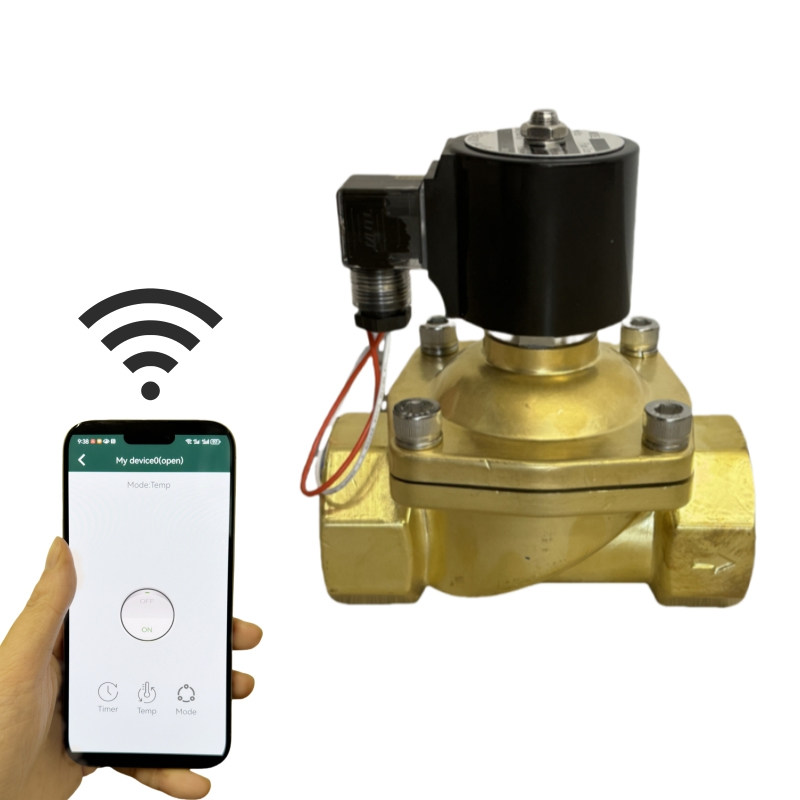
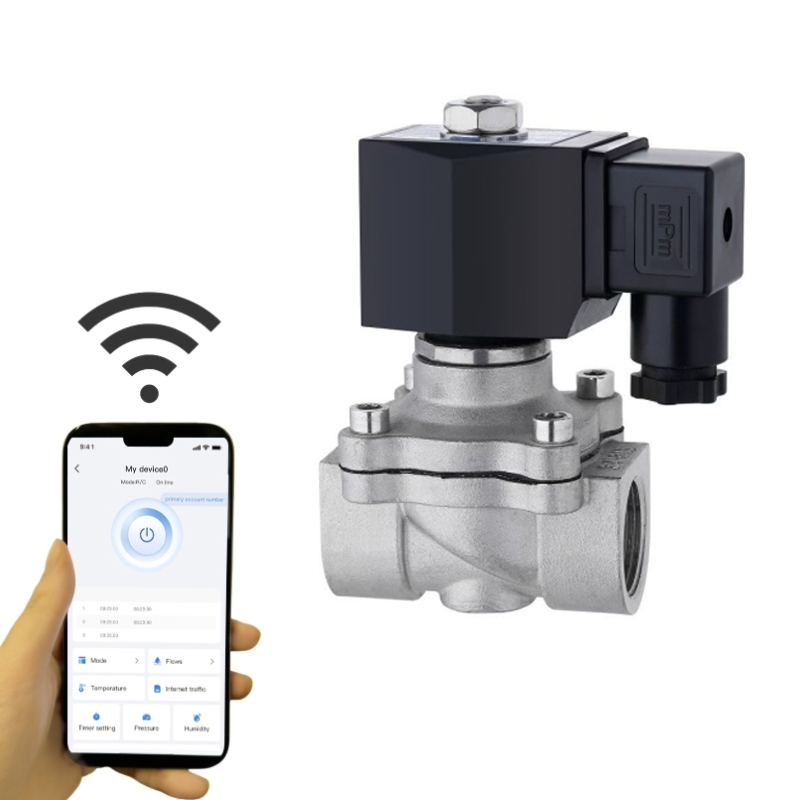
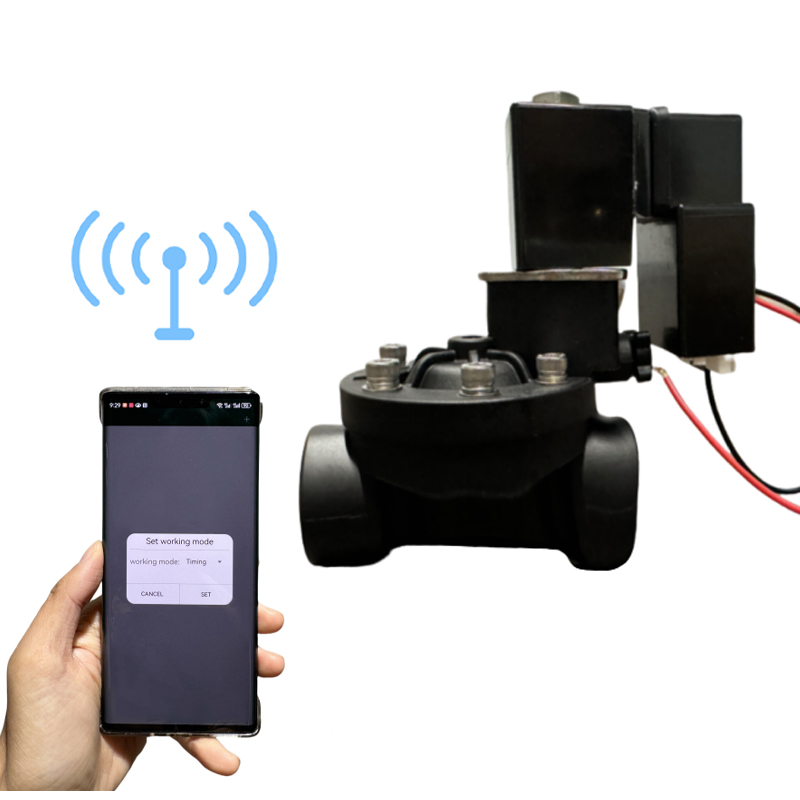
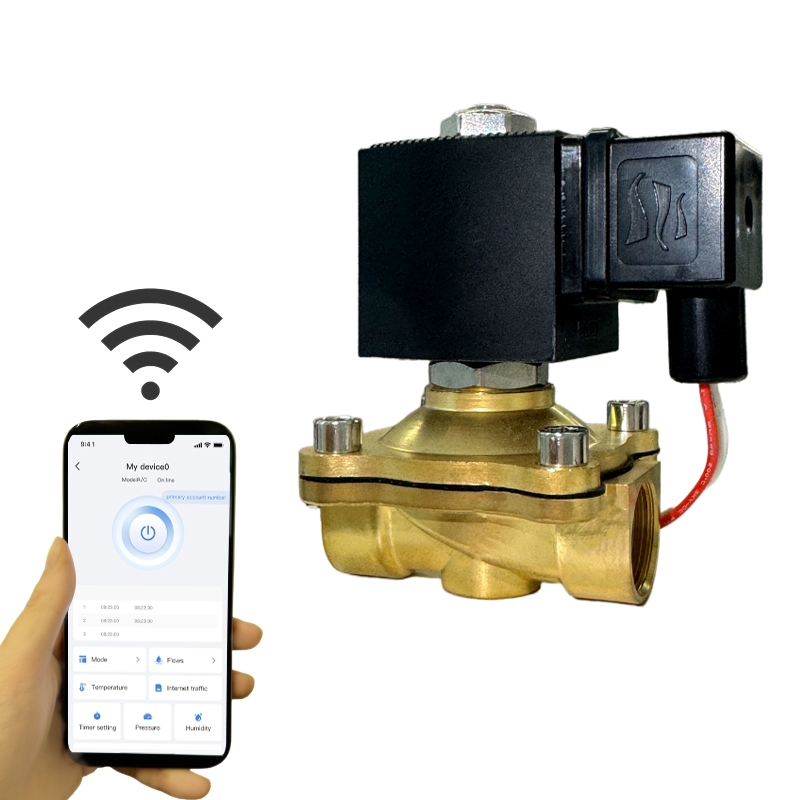
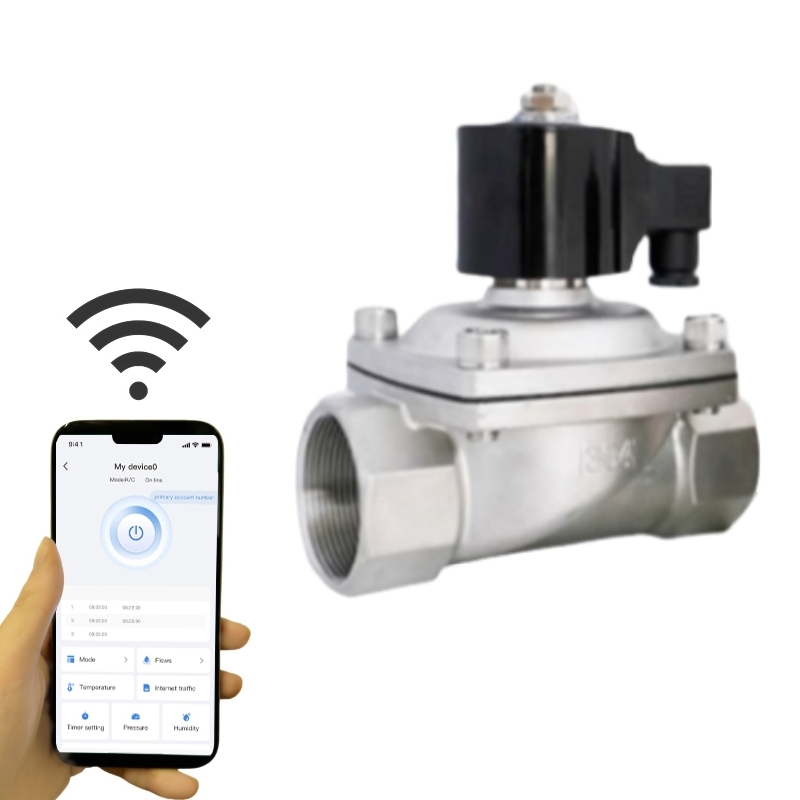
This is the exact problem the Zero-Power Integrated Reset-Type Latching Solenoid Valve is built around. Rather than treating power loss as an edge case, it treats full power loss as a defined operating mode: the valve resets automatically, and it does so without needing a supervisory circuit to detect the failure and command a response.
Standard direct-acting solenoid valves used in fire and process piping typically draw somewhere between 5 and 10 watts continuously to stay energized. Multiply that across a building with a hundred zone valves on standby power, and the load adds up fast — along with the heat each coil generates sitting under a control panel for years at a stretch.
The Zero-Power Integrated Reset-Type Latching Solenoid Valve holds its position with DC power consumption under 0.05W and AC consumption under 0.1W, which in practice means no measurable heat rise and a power draw closer to a sensor than an actuator. Older two-coil latching designs solved the holding-power problem too, but they usually pushed the complexity elsewhere: a separate pulse driver board, three-wire trigger logic, and coordination between "set" and "reset" pulses that has to be gotten right at commissioning. This model folds the driver and control logic into the valve body itself, encapsulated with the coil, and wires through a standard DIN43650 connector — the same footprint installers already use. That makes it a direct swap into existing panels, without adding an external driver cabinet to the design. For engineers weighing the two approaches, a closer technical breakdown of how zero-power pulse solenoid valves work covers the pulse-and-hold mechanics in more depth.
Fire protection is the clearest case for this design. Preaction and deluge systems are frequently run on battery-backed panels sized to hold for 24 or 90 hours after mains power is lost, and every valve drawing continuous current shrinks that runway. A pilot-line valve that holds position at under 0.1W instead of several watts changes the battery sizing math for the whole panel, particularly on multi-zone installations where dozens of valves are on the same standby circuit. The auto-reset behavior on total power loss also lines up with how preaction pilot lines are expected to fail — closed, dry, and out of the way until the system is deliberately reset.
Outside fire protection, the same characteristics carry over to HVAC zoning in commercial buildings and to industrial retrofit projects where a facility is replacing older continuously-energized valves bank by bank to cut standby load. A related look at how this fits into industrial energy retrofit applications for zero-power latching valves covers retrofit sequencing in more detail. For higher-pressure branches of the same systems, Alahot also offers high-pressure solenoid valve options for demanding fluid systems that pair with the same low-power control philosophy.
The energy story is the most quotable part of the specification — better than 90% energy savings compared to continuously-held valves — but the maintenance story is where a lot of the real cost sits. A coil that never runs hot doesn't cook its own insulation over years of standby duty, and a driver that's encapsulated inside the valve body removes one more external terminal block and one more set of field wiring connections that can loosen or corrode. Fewer components between the control signal and the moving armature generally means fewer points where a fire-protection technician finds a fault during annual testing. The BMC-encapsulated driver design and the reliability gains it brings is worth reading for anyone specifying valves for long unattended service life.
A few practical points to confirm before specifying this valve class on a project:
None of this replaces a proper hydraulic and electrical review for the specific system, but it narrows the field quickly for teams comparing a Zero-Power Integrated Reset-Type Latching Solenoid Valve against the continuously-held valves most panels were originally designed around.



Copyright © 2025 Alahot (zhejiang) Technology Co., Ltd.
All Rights Reserved.
OEM/ODM Electric Solenoid Valves Manufacture
